Laue B E, Nelson D C
Section of Microbiology, University of California at Davis 95616.
J Bacteriol. 1994 Jun;176(12):3723-9. doi: 10.1128/jb.176.12.3723-3729.1994.
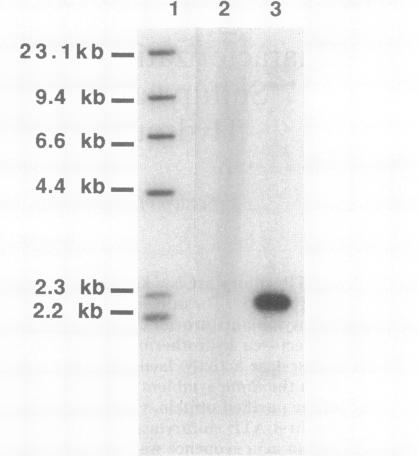
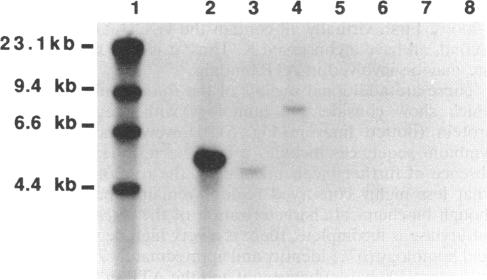
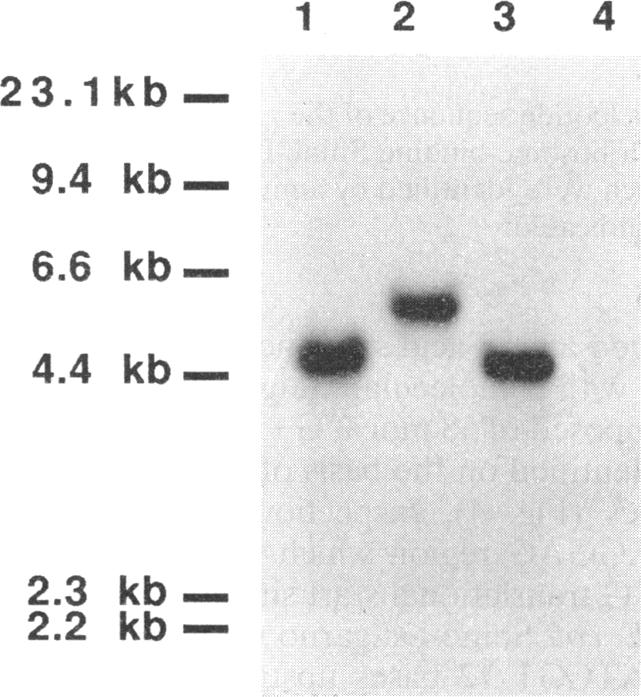
ATP sulfurylase is a key enzyme in the energy-generating sulfur oxidation pathways of many chemoautotrophic bacteria. The utilization of reduced sulfur compounds to fuel CO2 fixation by the still-uncultured bacterial endosymbionts provides the basis of nutrition in invertebrates, such as the tubeworm Riftia pachyptila, found at deep-sea hydrothermal vents. The symbiont-containing trophosome tissue contains high levels of ATP sulfurylase activity, facilitating the recent purification of the enzyme. The gene encoding the ATP sulfurylase from the Riftia symbiont (sopT) has now been cloned and sequenced by using the partial amino acid sequence of the purified protein. Characterization of the sopT gene has unequivocally shown its bacterial origin. This is the first ATP sulfurylase gene to be cloned and sequenced from a sulfur-oxidizing bacterium. The deduced amino acid sequence was compared to those of ATP sulfurylases reported from organisms which assimilate sulfate, resulting in the discovery that there is substantial homology with the Saccharomyces cerevisiae MET3 gene product but none with the products of the cysDN genes from Escherichia coli nor with the nodP and nodQ genes from Rhizobium meliloti. This and emerging evidence from other sources suggests that E. coli may be atypical, even among prokaryotic sulfate assimilators, in the enzyme it employs for adenosine 5'-phosphosulfate formation. The sopT gene probe also was shown to specifically identify chemoautotrophic bacteria which utilize ATP sulfurylase to oxidize sulfur compounds.
ATP硫酸化酶是许多化能自养细菌能量产生的硫氧化途径中的关键酶。未培养的细菌内共生体利用还原态硫化合物为二氧化碳固定提供能量,这为深海热液喷口处发现的无脊椎动物(如巨型管虫)提供了营养基础。含有共生体的营养体组织含有高水平的ATP硫酸化酶活性,这有助于该酶最近的纯化。现在已经通过使用纯化蛋白的部分氨基酸序列克隆并测序了来自巨型管虫共生体的编码ATP硫酸化酶的基因(sopT)。对sopT基因的表征明确显示了其细菌起源。这是第一个从硫氧化细菌中克隆并测序的ATP硫酸化酶基因。将推导的氨基酸序列与从同化硫酸盐的生物体中报道的ATP硫酸化酶的序列进行比较,结果发现它与酿酒酵母MET3基因产物有大量同源性,但与大肠杆菌的cysDN基因产物以及苜蓿根瘤菌的nodP和nodQ基因产物没有同源性。这以及其他来源的新证据表明,即使在原核硫酸盐同化体中,大肠杆菌在用于形成腺苷5'-磷酸硫酸的酶方面可能也是非典型的。sopT基因探针还被证明能够特异性识别利用ATP硫酸化酶氧化硫化合物的化能自养细菌。