You CongHui, Lu HongYan, Sekowska Agnieszka, Fang Gang, Wang YiPing, Gilles Anne-Marie, Danchin Antoine
National Laboratory of Protein Engineering and Plant Genetic Engineering, The College of Life Sciences, Peking University, 100871, Beijing, PR China.
BMC Microbiol. 2005 Oct 5;5:57. doi: 10.1186/1471-2180-5-57.
Two putative methionine aminopeptidase genes, map (essential) and yflG (non-essential), were identified in the genome sequence of Bacillus subtilis. We investigated whether they can function as methionine aminopeptidases and further explored possible reasons for their essentiality or dispensability in B. subtilis.
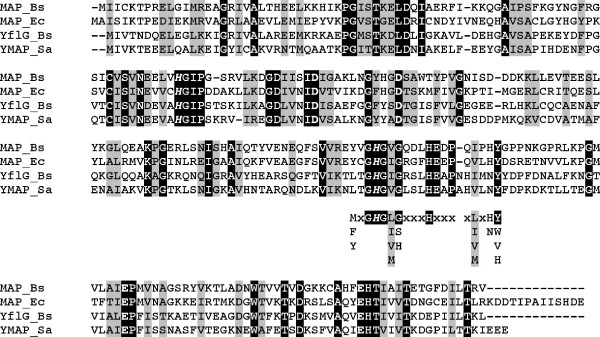
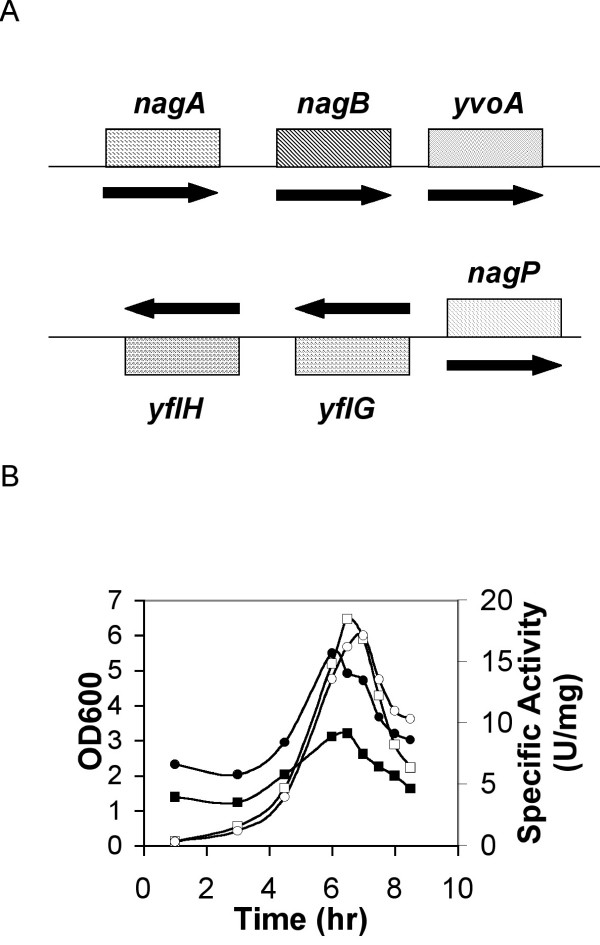
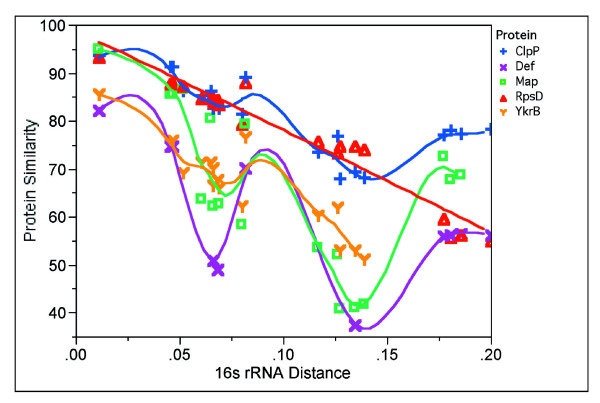
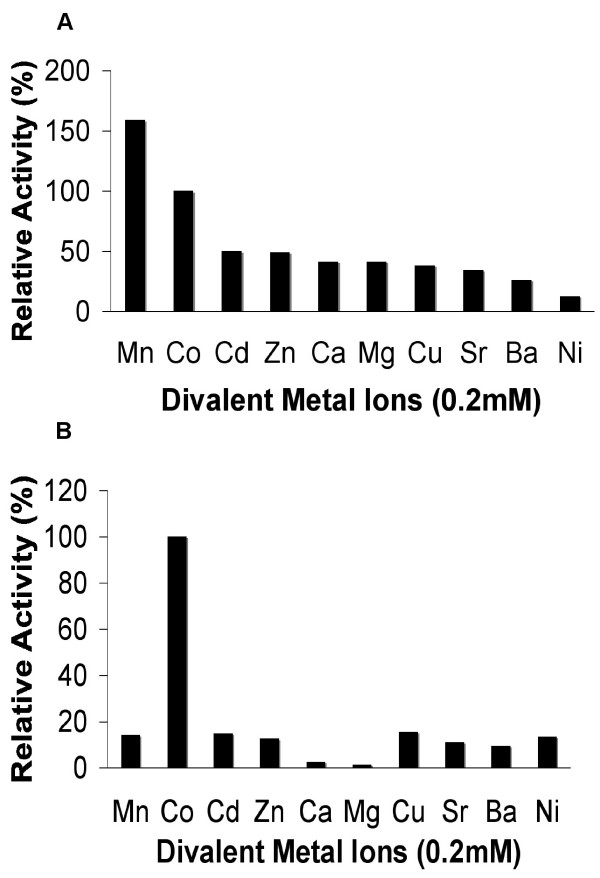
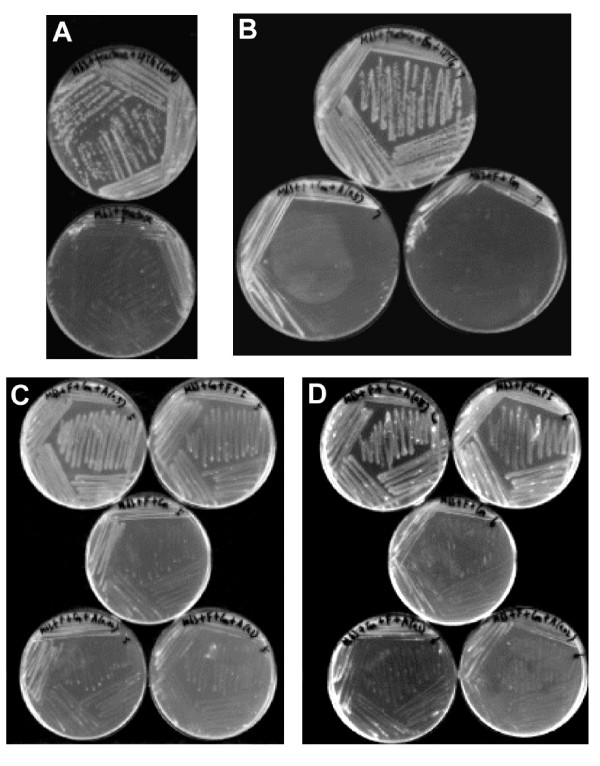
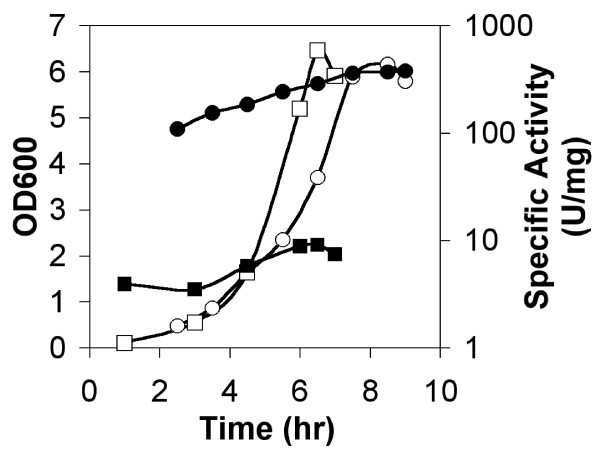
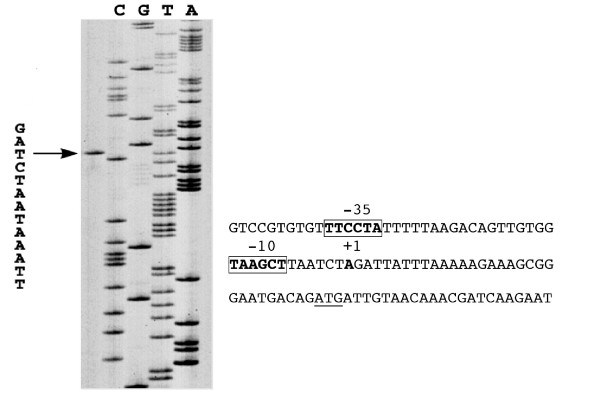
In silico analysis of MAP evolution uncovered a coordinated pattern of MAP and deformylase that did not correlate with the pattern of 16S RNA evolution. Biochemical assays showed that both MAP (MAP_Bs) and YflG (YflG_Bs) from B. subtilis overproduced in Escherichia coli and obtained as pure proteins exhibited a methionine aminopeptidase activity in vitro. Compared with MAP_Bs, YflG_Bs was approximately two orders of magnitude more efficient when assayed on synthetic peptide substrates. Both map and yflG genes expressed in multi-copy plasmids could complement the function of a defective map gene in the chromosomes of both E. coli and B. subtilis. In contrast, lacZ gene transcriptional fusions showed that the promoter activity of map was 50 to 100-fold higher than that of yflG. Primer extension analysis detected the transcription start site of the yflG promoter. Further work identified that YvoA acted as a possible weak repressor of yflG expression in B. subtilis in vivo.
Both MAP_Bs and YflG_Bs are functional methionine aminopeptidases in vitro and in vivo. The high expression level of map and low expression level of yflG may account for their essentiality and dispensality in B. subtilis, respectively, when cells are grown under laboratory conditions. Their difference in activity on synthetic substrates suggests that they have different protein targets in vivo.
在枯草芽孢杆菌的基因组序列中鉴定出两个假定的甲硫氨酸氨肽酶基因,map(必需)和yflG(非必需)。我们研究了它们是否能作为甲硫氨酸氨肽酶发挥作用,并进一步探讨了它们在枯草芽孢杆菌中必需或非必需的可能原因。
对甲硫氨酸氨肽酶(MAP)进化的计算机分析揭示了MAP和去甲酰化酶的协同模式,该模式与16S RNA进化模式不相关。生化分析表明,在大肠杆菌中过量表达并纯化得到的枯草芽孢杆菌的MAP(MAP_Bs)和YflG(YflG_Bs)在体外均表现出甲硫氨酸氨肽酶活性。与MAP_Bs相比,在合成肽底物上进行检测时,YflG_Bs的效率大约高两个数量级。在多拷贝质粒中表达的map和yflG基因均可补充大肠杆菌和枯草芽孢杆菌染色体中缺陷map基因的功能。相比之下,lacZ基因转录融合显示map的启动子活性比yflG高50至100倍。引物延伸分析检测到yflG启动子的转录起始位点。进一步的研究确定YvoA可能在体内作为枯草芽孢杆菌中yflG表达的弱阻遏物。
MAP_Bs和YflG_Bs在体外和体内均为功能性甲硫氨酸氨肽酶。当细胞在实验室条件下生长时,map的高表达水平和yflG的低表达水平可能分别解释了它们在枯草芽孢杆菌中的必需性和非必需性。它们在合成底物上的活性差异表明它们在体内具有不同的蛋白质靶点。