
端粒阵列在亲缘关系密切的植物品种间表现出高度可遗传的多态性。
Telomeric arrays display high levels of heritable polymorphism among closely related plant varieties.
作者信息
Broun P, Ganal M W, Tanksley S D
机构信息
Department of Plant Breeding and Biometry, Cornell University, Ithaca, NY 14853.
出版信息
Proc Natl Acad Sci U S A. 1992 Feb 15;89(4):1354-7. doi: 10.1073/pnas.89.4.1354.
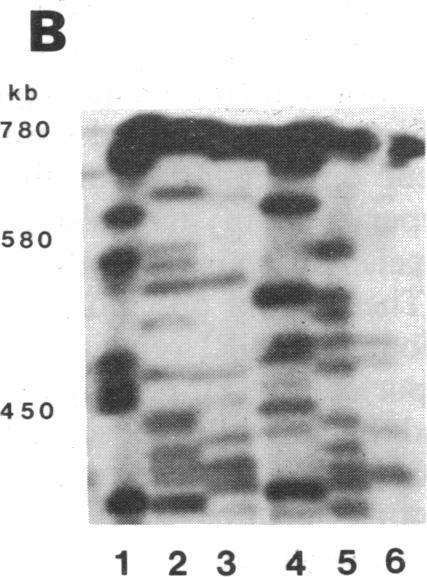
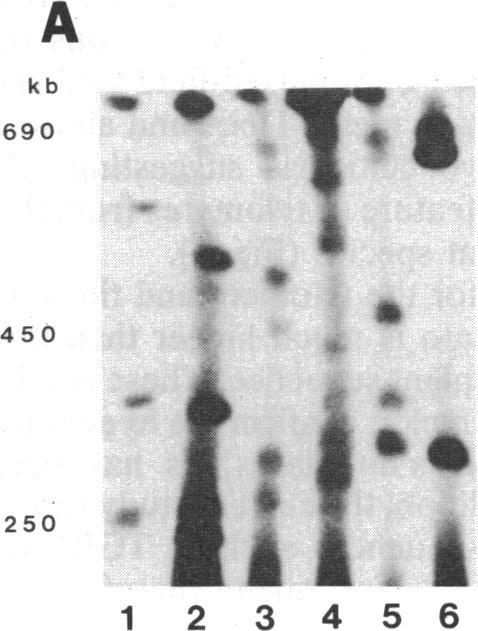
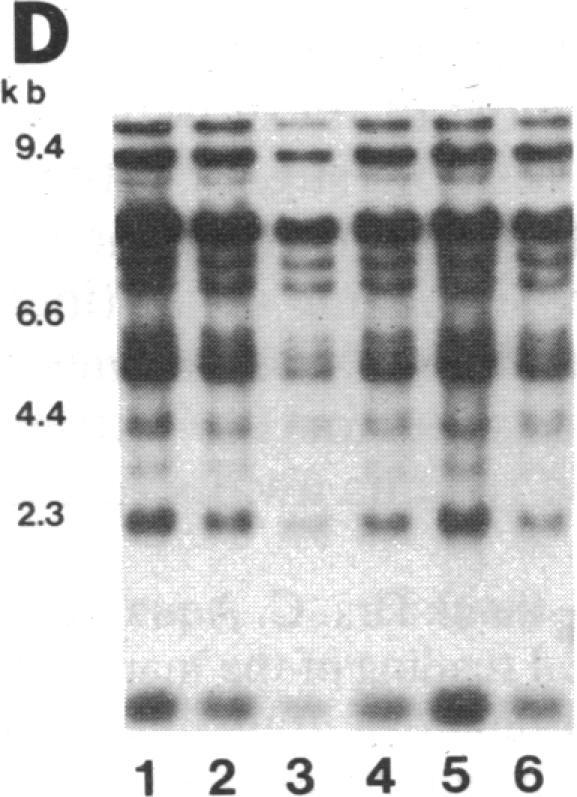
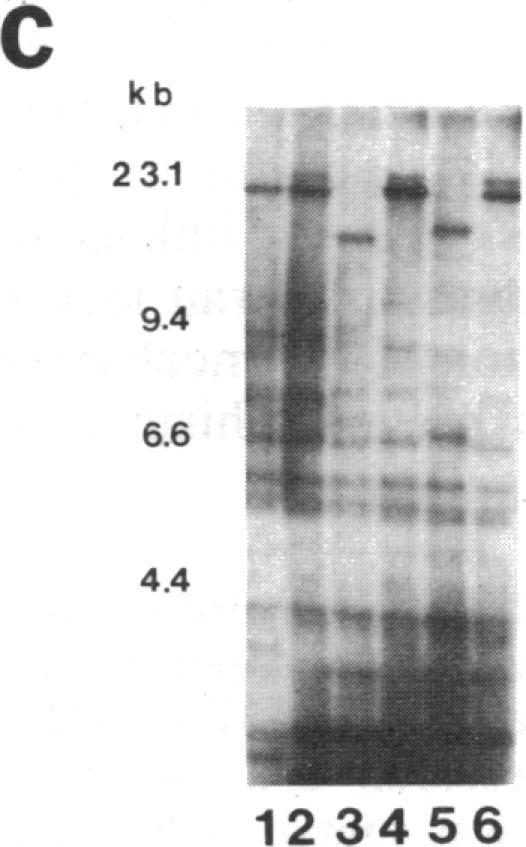
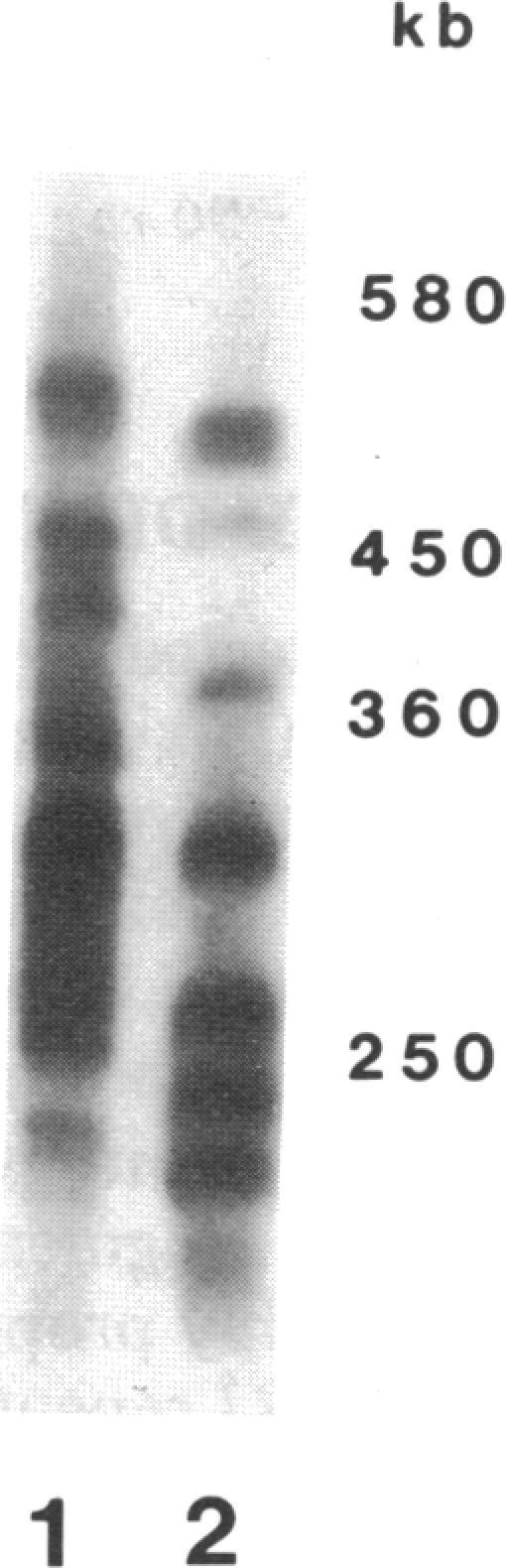
Tomato telomeres are composed of a terminal 7-base-pair tandem repeat and a closely liked 162-base-pair subtelomeric repeat (TGRI). Together, these repeats account for 2% of the total chromosomal DNA. Pulsed-field gel electrophoresis has been used to examine the long-range physical structure of these arrays in closely related varieties, and we report here that these arrays are undergoing heritable changes at a frequency as great as 2% per generation. Moreover, comparisons with other known hypervariable probes (e.g., human minisatellites and M13 sequences) revealed that telomeric sites are more variable than any other known region of the plant genome and can be used to distinguish closely related plant varieties (tomato and melon) that are otherwise very similar at the DNA level. The fact that the polymorphisms are inherited in a mendelian fashion suggests applications in genetic mapping of telomeres and identification of varieties.
番茄端粒由一个末端7碱基对串联重复序列和一个紧密相连的162碱基对亚端粒重复序列(TGRI)组成。这些重复序列共同占染色体DNA总量的2%。脉冲场凝胶电泳已被用于检测这些阵列在亲缘关系密切的品种中的远距离物理结构,我们在此报告,这些阵列正以高达每代2%的频率发生可遗传变化。此外,与其他已知的高变探针(如人类小卫星和M13序列)比较发现,端粒位点比植物基因组中任何其他已知区域的变异性都更大,可用于区分在DNA水平上非常相似的亲缘关系密切的植物品种(番茄和甜瓜)。多态性以孟德尔方式遗传这一事实表明其在端粒基因定位和品种鉴定中的应用。



 Zotero 插件