Izumiya Yasuhiro, Hopkins Teresa, Morris Carl, Sato Kaori, Zeng Ling, Viereck Jason, Hamilton James A, Ouchi Noriyuki, LeBrasseur Nathan K, Walsh Kenneth
Molecular Cardiology, Whitaker Cardiovascular Institute, Boston University School of Medicine, Boston, MA 02118, USA.
Cell Metab. 2008 Feb;7(2):159-72. doi: 10.1016/j.cmet.2007.11.003.
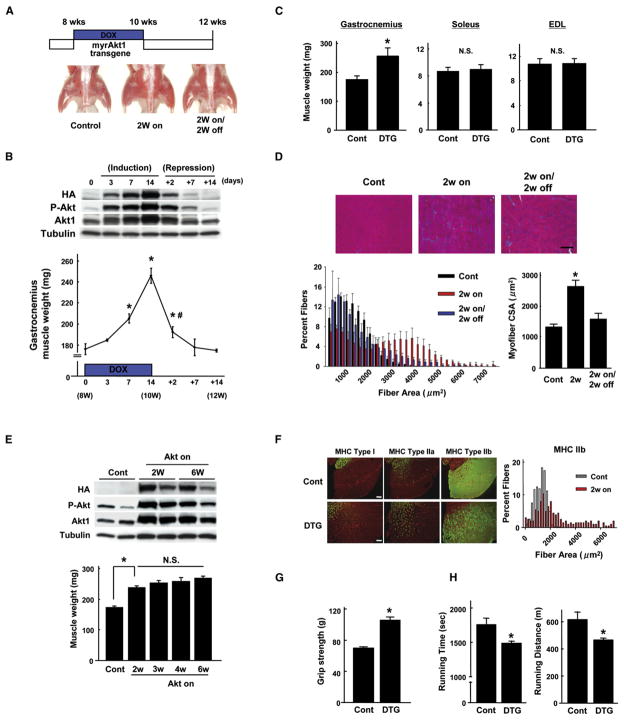
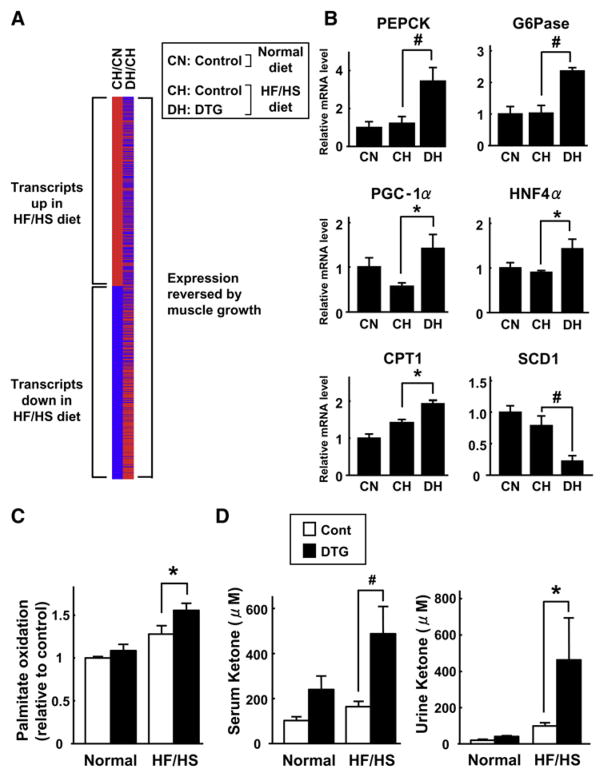
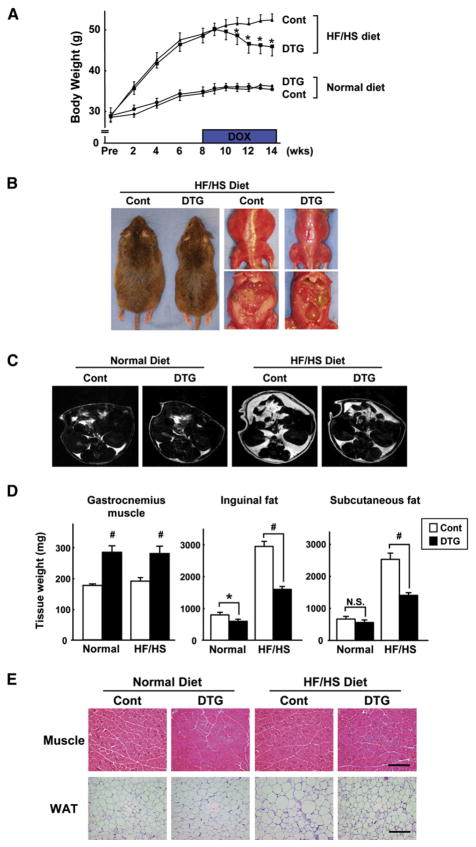
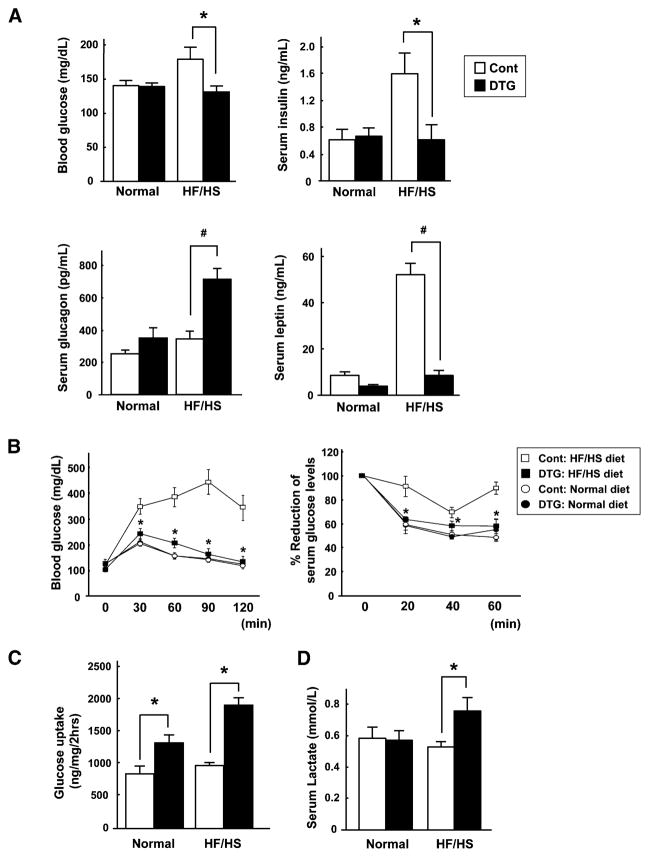
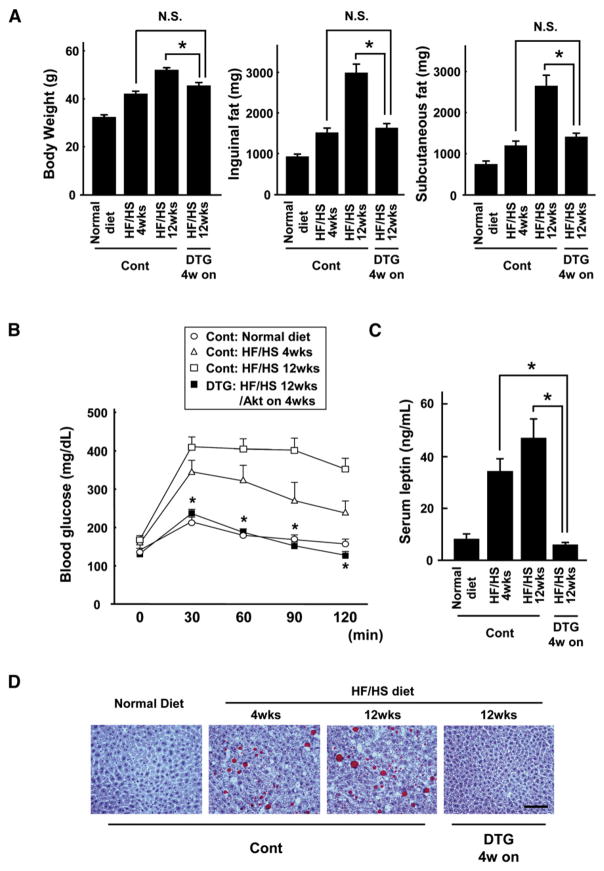
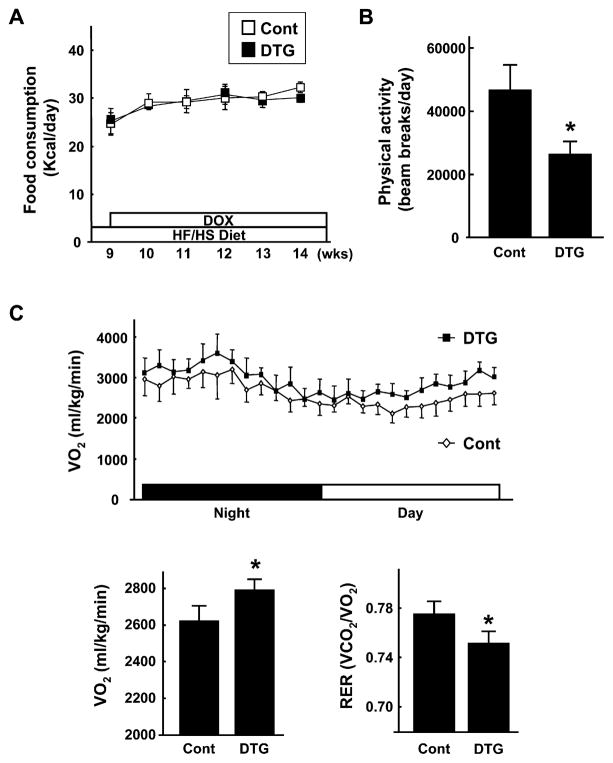
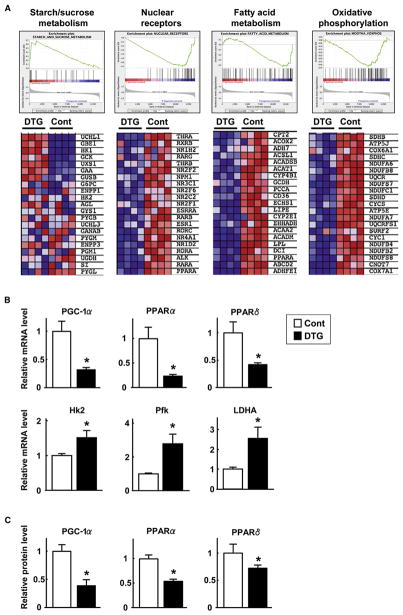
In contrast to the well-established role of oxidative muscle fibers in regulating whole-body metabolism, little is known about the function of fast/glycolytic muscle fibers in these processes. Here, we generated a skeletal muscle-specific, conditional transgenic mouse expressing a constitutively active form of Akt1. Transgene activation led to muscle hypertrophy due to the growth of type IIb muscle fibers, which was accompanied by an increase in strength. Akt1 transgene induction in diet-induced obese mice led to reductions in body weight and fat mass, resolution of hepatic steatosis, and improved metabolic parameters. Akt1-mediated skeletal muscle growth opposed the effects of a high-fat/high-sucrose diet on transcript expression patterns in the liver and increased hepatic fatty acid oxidation and ketone body production. Our findings indicate that an increase in fast/glycolytic muscle mass can result in the regression of obesity and metabolic improvement through its ability to alter fatty acid oxidation in remote tissues.
与氧化型肌纤维在调节全身代谢中已明确的作用形成对比的是,对于快速/糖酵解型肌纤维在这些过程中的功能知之甚少。在此,我们构建了一种骨骼肌特异性的条件转基因小鼠,其表达组成型激活形式的Akt1。转基因激活导致由于IIb型肌纤维生长而引起的肌肉肥大,并伴有力量增加。在饮食诱导的肥胖小鼠中诱导Akt1转基因可导致体重和脂肪量减少、肝脂肪变性消退以及代谢参数改善。Akt1介导的骨骼肌生长对抗高脂/高糖饮食对肝脏转录表达模式的影响,并增加肝脏脂肪酸氧化和酮体生成。我们的研究结果表明,快速/糖酵解型肌肉量的增加可通过其改变远处组织中脂肪酸氧化的能力导致肥胖消退和代谢改善。