Department of Biosciences, Sardar Patel University, Vallabh Vidyanagar 388 120, Gujarat, India,
Evid Based Complement Alternat Med. 2009 Jun;6(2):219-26. doi: 10.1093/ecam/nem091. Epub 2007 Aug 27.
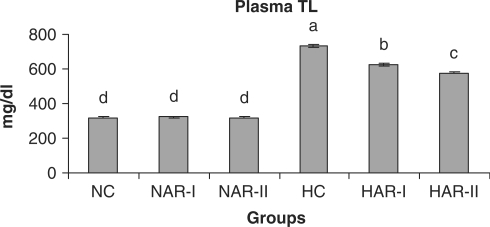
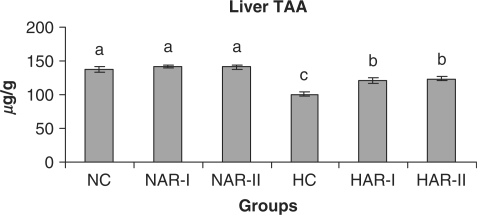
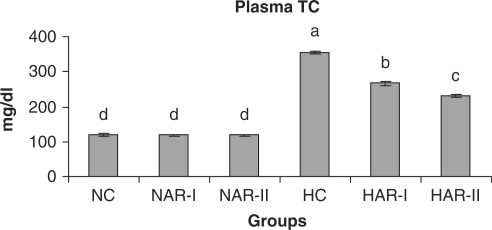
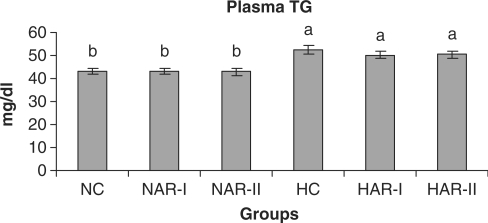
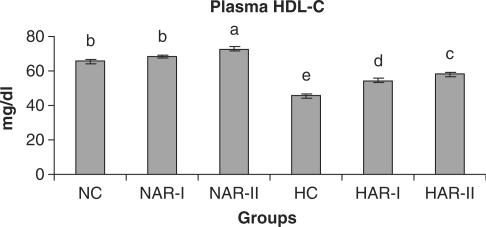
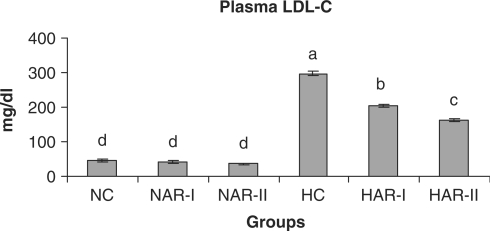
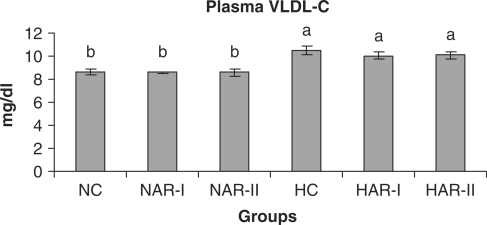
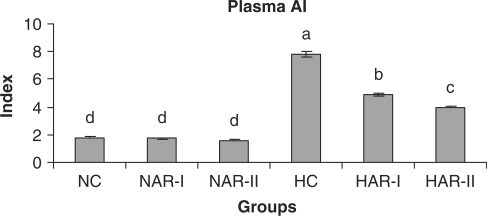
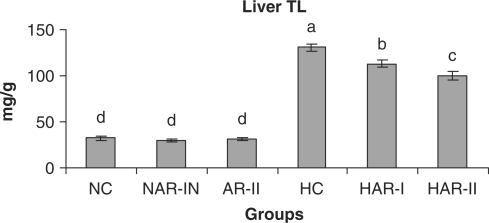
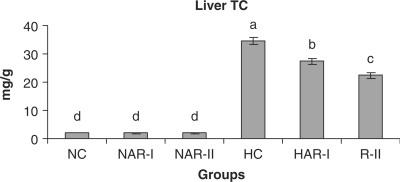
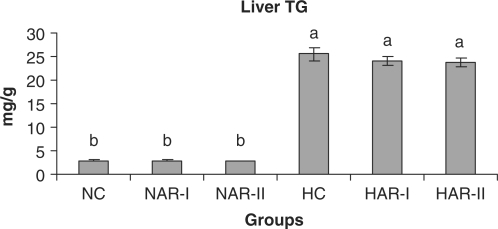
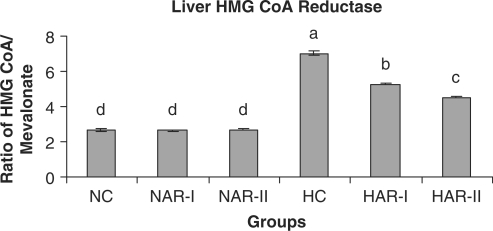
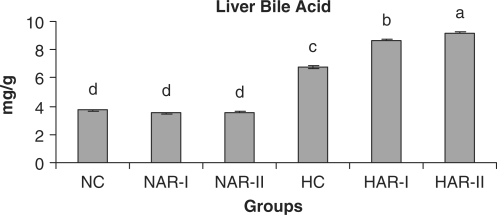
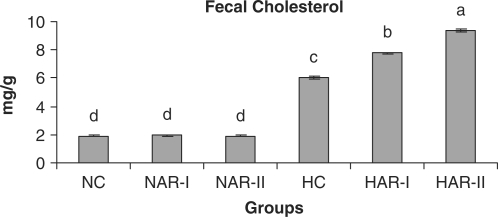
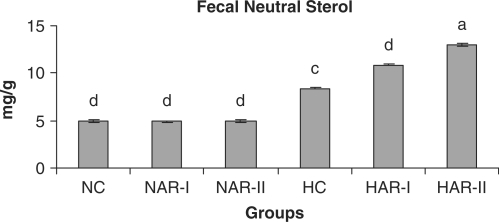
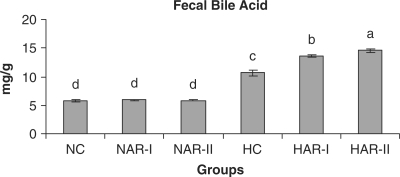
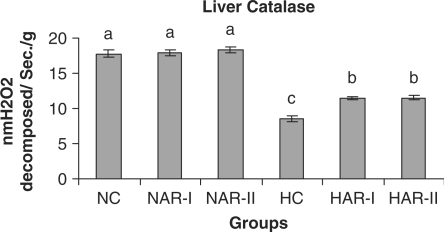
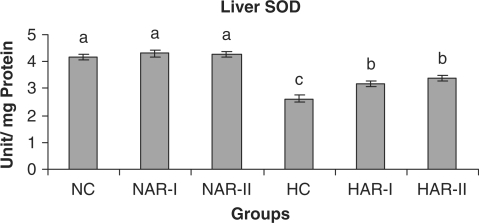
Hyperlipidemia/hypercholesteremia are major risk factors for atherosclerosis and cardiovascular diseases. Root of Asparagus racemosus (AR) is widely used in Ayurvedic system of medicine in India and is known for its steroidal saponin content. This study was designed to investigate the hypocholesteremic and antioxidant potential of AR root in both normo- and hypercholesteremic animals. Normal and hypercholesteremic male albino rats were administered with root powder of AR (5 and 10 g% dose levels) along with normal and hypercholesteremic diets, respectively, for a duration of 4 weeks. Plasma and hepatic lipid profiles, fecal sterol, bile acid excretion and hepatic antioxidant activity were assessed. Inclusion of AR root powder in diet, resulted in a dose-dependant reduction in plasma and hepatic lipid profiles, increased fecal excretion of cholesterol, neutral sterol and bile acid along with increases in hepatic HMG-CoA reductase activity and bile acid content in hypercholesteremic rats. Further, AR root also improved the hepatic antioxidant status (catalase, SOD and ascorbic acid levels). No significant changes in lipid and antioxidant profiles occurred in the normocholesteremic rats administered with AR root powder. AR root appeared to be useful as a dietary supplement that offers a protection against hyperlipidemia/hypercholesteremia in hypercholesteremic animals. The results of the present study indicate that the potent therapeutic phyto-components present in AR root i.e. phytosterols, saponins, polyphenols, flavonoids and ascorbic acid, could be responsible for increased bile acid production, elimination of excess cholesterol and elevation of hepatic antioxidant status in hypercholesteremic conditions.
高脂血症/高胆固醇血症是动脉粥样硬化和心血管疾病的主要危险因素。天门冬属植物(AR)的根在印度的阿育吠陀医学系统中被广泛使用,以其甾体皂苷含量而闻名。本研究旨在研究 AR 根在正常和高胆固醇血症动物中的降胆固醇和抗氧化潜力。正常和高胆固醇血症雄性白化大鼠分别给予 AR 根粉(5 和 10 g%剂量水平)和正常和高胆固醇血症饮食,持续 4 周。评估血浆和肝脂质谱、粪便固醇、胆汁酸排泄和肝抗氧化活性。在饮食中加入 AR 根粉,可剂量依赖性降低血浆和肝脂质谱,增加胆固醇、中性固醇和胆汁酸的粪便排泄,同时增加高胆固醇血症大鼠的肝 HMG-CoA 还原酶活性和胆汁酸含量。此外,AR 根还改善了肝抗氧化状态(过氧化氢酶、SOD 和抗坏血酸水平)。给予 AR 根粉的正常胆固醇血症大鼠的脂质和抗氧化谱没有显著变化。AR 根似乎可用作膳食补充剂,为高胆固醇血症动物提供对抗高脂血症/高胆固醇血症的保护。本研究结果表明,AR 根中存在的有效治疗植物成分,如植物固醇、皂苷、多酚、类黄酮和抗坏血酸,可能负责增加胆汁酸的产生、消除多余的胆固醇和提高高胆固醇血症时的肝抗氧化状态。