Eyssartier Cecilia, Ladio Ana H, Lozada Mariana
Inibioma-Universidad Nacional del Comahue, Lab, Ecotono, Quintral 1250-8400 San Carlos de Bariloche, Rio Negro, Argentina.
J Ethnobiol Ethnomed. 2008 Dec 15;4:25. doi: 10.1186/1746-4269-4-25.
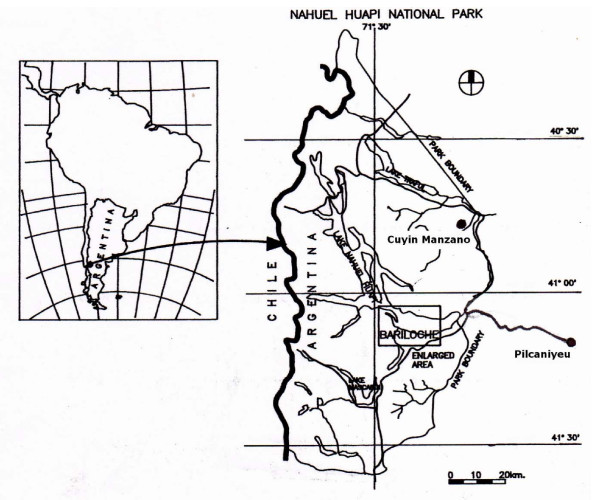
In the present study we have investigated the cultural transmission of two types of traditional plant knowledge in two communities of North-western Patagonia, Argentina. In the Pilcaniyeu community, we studied the transmission of traditional knowledge related to horticultural practices in home-gardens, greenhouses and gardens; while in the community of Cuyin Manzano, we studied wild plant gathering customs.
Ethnobotanical fieldwork was conducted by means of semi-structured interviews, in which we investigated which plants are used, at what life history phase was learned, modes of transmission and who the principal transmitters were in childhood and adulthood. In both communities, each of this three aspects related to cultural transmission were categorized and the frequencies of each category were obtained. The total number of species recorded in each community was also calculated. Frequencies were analyzed with the Chi-square test of independence.
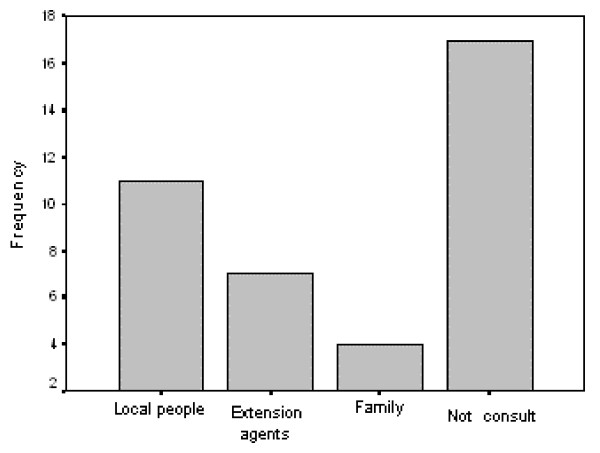
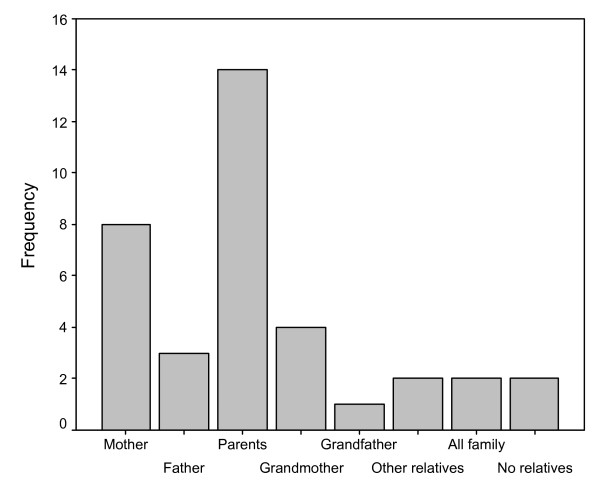
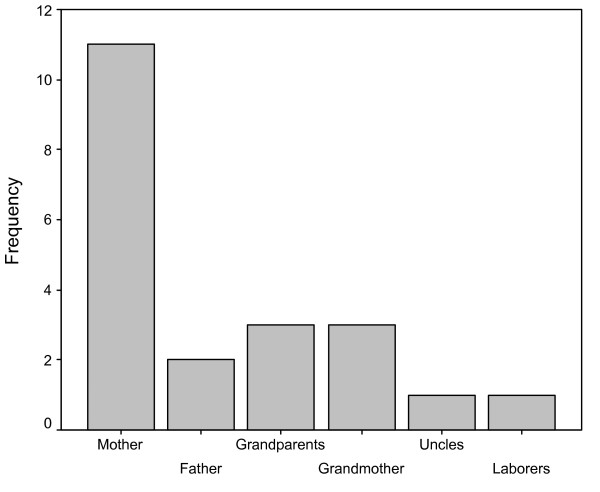
In both communities, transmission of traditional plant knowledge begins at an early age, as a family custom, in which women play a predominant role. Wild plant use and horticultural knowledge continue to be learned during adulthood. This was particularly registered associated with horticultural learning, which receives greater influence from extension agents who are introducing new practices and technology. This outside influence, which implies novelty, could imply syncretism but also traditional knowledge loss.
Given the remarkable acculturation processes occurring at present in rural communities of Northwestern Patagonia, it might be of vital importance to document traditional knowledge of ancient practices. Moreover, it could be interesting to share our results with both populations in order to encourage participatory activities within the communities which could enhance traditional knowledge horizontal transmission, particularly among elder adults and youngsters.
在本研究中,我们调查了阿根廷巴塔哥尼亚西北部两个社区中两种传统植物知识的文化传承情况。在皮尔卡纽社区,我们研究了与家庭菜园、温室和花园园艺实践相关的传统知识的传承;而在库因曼萨诺社区,我们研究了野生植物采集习俗。
通过半结构化访谈进行民族植物学实地调查,我们调查了使用哪些植物、在生命史的哪个阶段学到这些知识、传承方式以及童年和成年时期的主要传授者是谁。在两个社区中,对与文化传承相关的这三个方面分别进行分类,并得出每个类别的频率。还计算了每个社区记录的物种总数。使用卡方独立性检验分析频率。
在两个社区中,传统植物知识的传承都始于幼年,作为一种家庭习俗,女性在其中发挥着主导作用。野生植物的使用和园艺知识在成年期仍在继续学习。这在园艺学习方面尤为明显,园艺学习受到引入新实践和技术的推广人员的更大影响。这种外部影响意味着新颖性,可能意味着融合,但也可能导致传统知识的丧失。
鉴于目前巴塔哥尼亚西北部农村社区正在发生显著的文化适应过程,记录古代实践的传统知识可能至关重要。此外,与这两个人口群体分享我们的结果可能会很有趣,以便鼓励社区内的参与性活动,这可以加强传统知识的横向传播,特别是在老年人和年轻人之间。