Irkorucu Oktay, Ferahköşe Zafer, Memiş Leyla, Ekinci Ozgür, Akin Murat
Department of General Surgery, Zonguldak Karaelmas University Medical School, Zonguldak, Turkey.
Clinics (Sao Paulo). 2009;64(2):143-8. doi: 10.1590/s1807-59322009000200012.
Adhesion formation after peritoneal surgery is a major cause of postoperative bowel obstruction, infertility, and chronic pelvic pain. In this study, we compared the possible individual effects of phosphatidylcholine (PC), Seprafilm II, and tissue plasminogen activator (t-PA) and the combined effects of phosphatidylcholine and t-PA on postoperative adhesion formation in a rat surgical model.
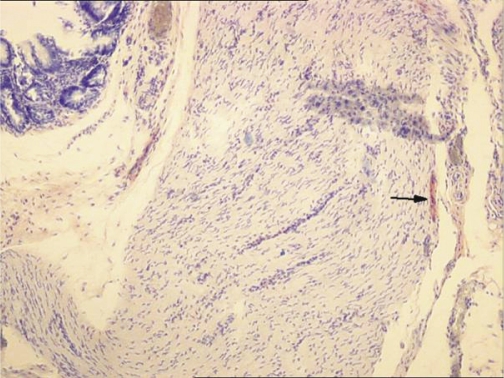
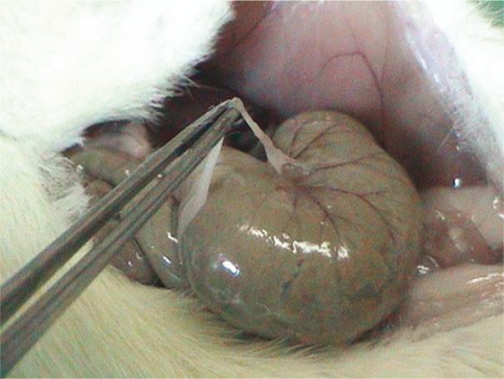
A total of 50 Wistar male rats underwent median laparotomy and standardized abrasion of the visceral and parietal peritoneum. phosphatidylcholine, Seprafilm II, and t-PA alone and phosphatidylcholine and t-PA in combination were applied intraperitoneally at the end of the surgical procedure. Seven days after surgery, a relaparotomy was performed for adhesion grading and histopathological examination.
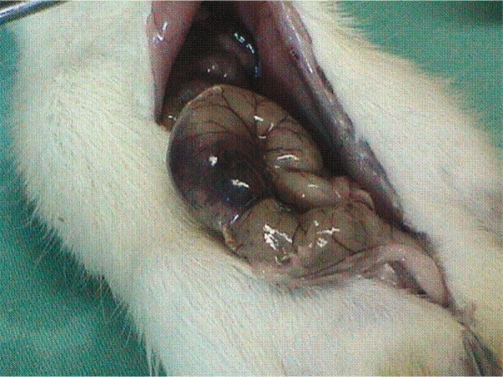
A comparison of adhesion stages demonstrated a significant difference between the control group and the study groups (p<0.001). The adhesion grade of the combined treatment group was statistically different from that of the other groups (p<0.05). In the t-PA group and the combined group, six and two rats, respectively, developed hematomas locally on the cecum.
PC, t-PA, and Seprafilm II used individually reduced the adhesion grade. The t-PA and phosphatidylcholine combination was most effective in reducing adhesion formation. On the other hand, usage of t-PA alone or in combination may increase risk of bleeding. More detailed studies are needed, and future studies on the efficacy of a material for decreasing adhesion formation should include a comparison of several control materials in the same model.
腹膜手术后粘连形成是术后肠梗阻、不孕和慢性盆腔疼痛的主要原因。在本研究中,我们在大鼠手术模型中比较了磷脂酰胆碱(PC)、Seprafilm II和组织型纤溶酶原激活剂(t-PA)可能的个体效应以及磷脂酰胆碱和t-PA联合使用对术后粘连形成的影响。
总共50只雄性Wistar大鼠接受正中剖腹术,并对脏腹膜和壁腹膜进行标准化擦伤。在手术结束时腹腔内分别应用磷脂酰胆碱、Seprafilm II和t-PA以及磷脂酰胆碱和t-PA联合使用。术后7天,再次剖腹进行粘连分级和组织病理学检查。
粘连阶段的比较显示对照组与研究组之间存在显著差异(p<0.001)。联合治疗组的粘连分级与其他组在统计学上存在差异(p<0.05)。在t-PA组和联合组中,分别有6只和2只大鼠在盲肠局部出现血肿。
单独使用PC、t-PA和Seprafilm II可降低粘连分级。t-PA和磷脂酰胆碱联合使用在减少粘连形成方面最有效。另一方面,单独使用或联合使用t-PA可能会增加出血风险。需要进行更详细的研究,并且未来关于减少粘连形成材料疗效的研究应在同一模型中比较几种对照材料。