Amini Sasan, Goodarzi Hani, Tavazoie Saeed
Department of Molecular Biology and Lewis-Sigler Institute for Integrative Genomics, Princeton University, Princeton, NJ, USA.
PLoS Pathog. 2009 May;5(5):e1000432. doi: 10.1371/journal.ppat.1000432. Epub 2009 May 15.
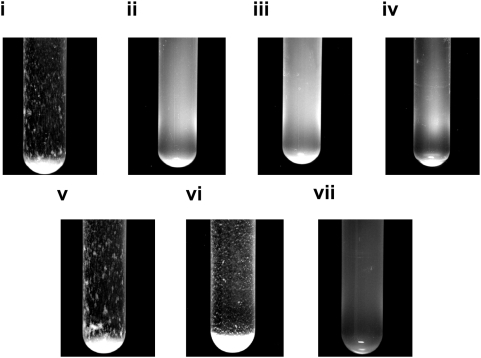
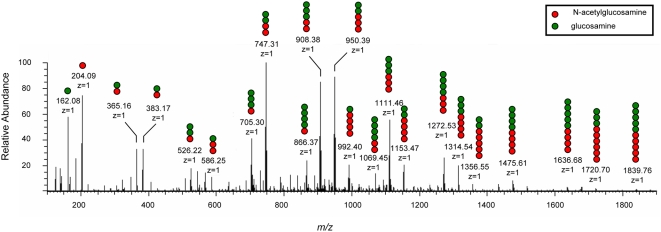
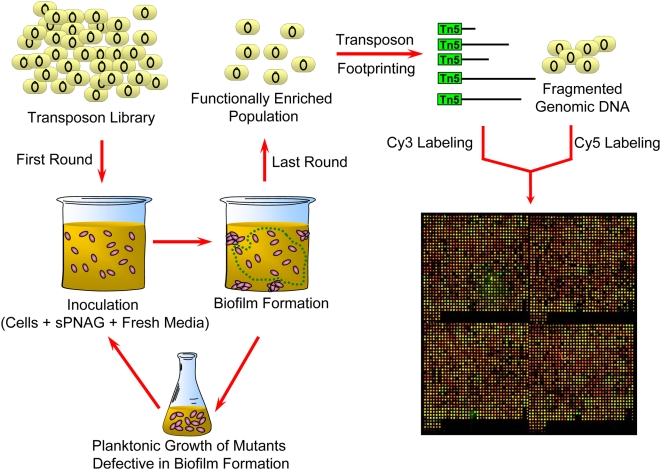
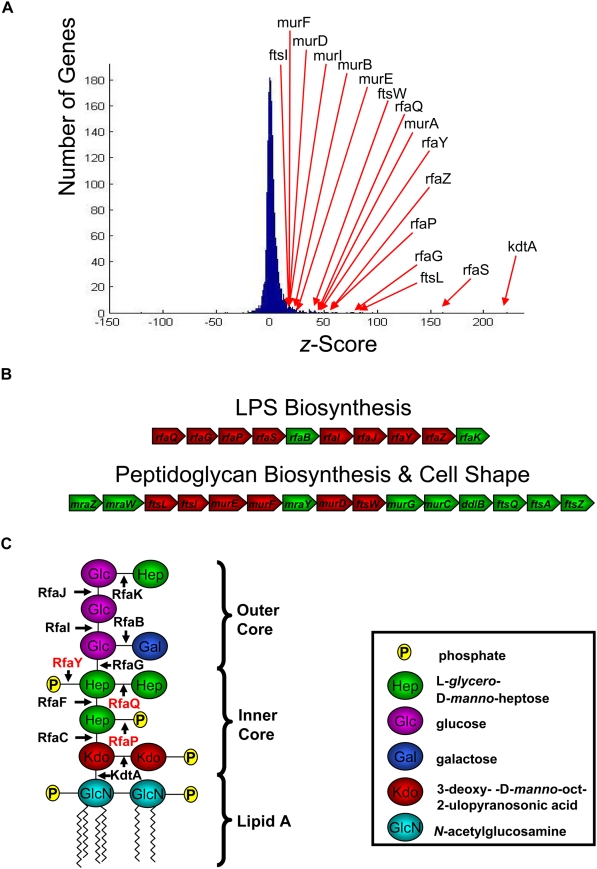
Microbial biofilms are a dominant feature of many human infections. However, developing effective strategies for controlling biofilms requires an understanding of the underlying biology well beyond what currently exists. Using a novel strategy, we have induced formation of a robust biofilm in Escherichia coli by utilizing an exogenous source of poly-N-acetylglucosamine (PNAG) polymer, a major virulence factor of many pathogens. Through microarray profiling of competitive selections, carried out in both transposon insertion and over-expression libraries, we have revealed the genetic basis of PNAG-based biofilm formation. Our observations reveal the dominance of electrostatic interactions between PNAG and surface structures such as lipopolysaccharides. We show that regulatory modulation of these surface structures has significant impact on biofilm formation behavior of the cell. Furthermore, the majority of clinical isolates which produced PNAG also showed the capacity to respond to the exogenously produced version of the polymer.
微生物生物膜是许多人类感染的主要特征。然而,制定有效的生物膜控制策略需要对潜在生物学有远超现有水平的理解。我们采用一种新策略,通过利用聚-N-乙酰葡糖胺(PNAG)聚合物(许多病原体的主要毒力因子)的外源来源,诱导大肠杆菌形成了坚固的生物膜。通过在转座子插入文库和过表达文库中进行的竞争性选择的微阵列分析,我们揭示了基于PNAG的生物膜形成的遗传基础。我们的观察结果揭示了PNAG与诸如脂多糖等表面结构之间静电相互作用的主导地位。我们表明,这些表面结构的调节对细胞的生物膜形成行为有重大影响。此外,大多数产生PNAG的临床分离株也显示出对外源产生的聚合物版本作出反应的能力。