Li Xin Chenglin, Schimenti John C, Tye Bik K
Department of Molecular Biology and Genetics, College of Agriculture and Life Sciences, Cornell University, Ithaca, New York, USA.
PLoS Biol. 2009 Jul;7(7):e1000161. doi: 10.1371/journal.pbio.1000161. Epub 2009 Jul 28.
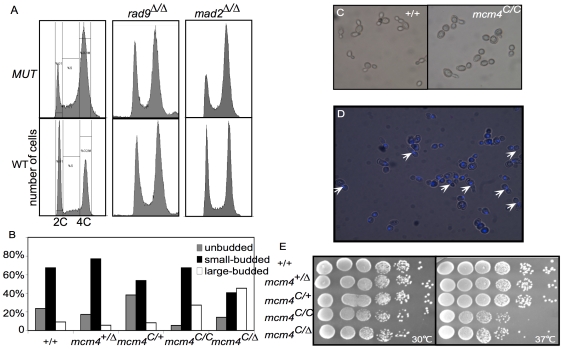
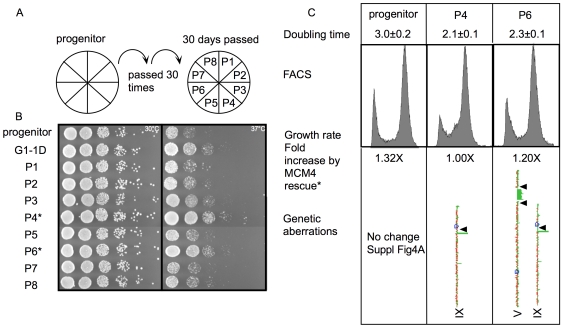
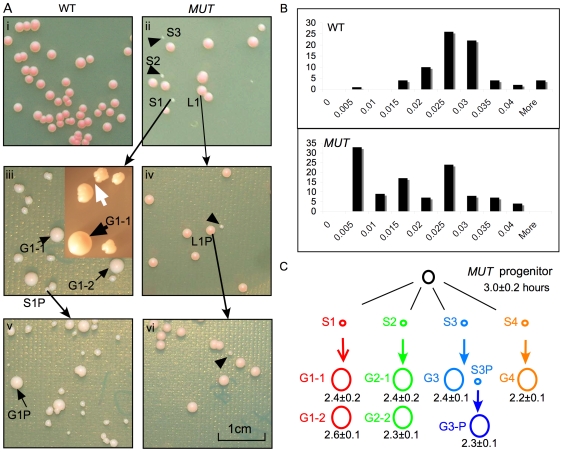
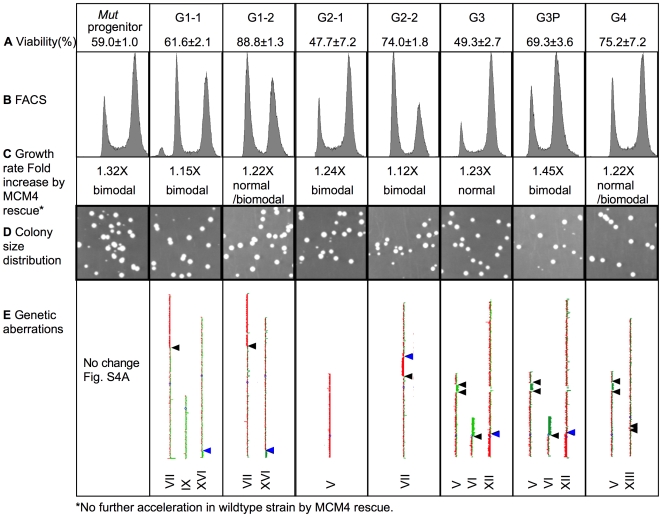
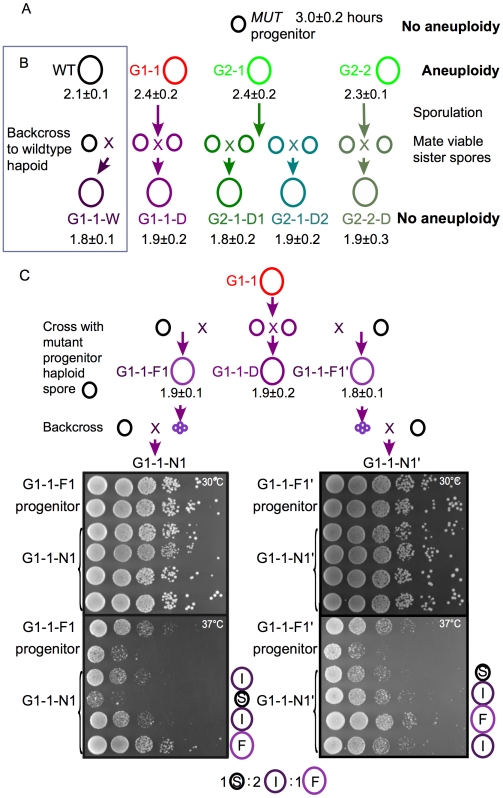
Cancer cells have acquired mutations that alter their growth. Aneuploidy that typify cancer cells are often assumed to contribute to the abnormal growth characteristics. Here we test the idea of a link between aneuploidy and mutations allowing improved growth, using Saccharomyces cerevisiae containing a mcm4 helicase allele that was shown to cause cancer in mice. Yeast bearing this mcm4 allele are prone to undergoing a "hypermutable phase" characterized by a changing karyotype, ultimately yielding progeny with improved growth properties. When such progeny are returned to a normal karyotype by mating, their improved growth remains. Genetic analysis shows their improved growth is due to mutations in just a few loci. In sum, the effects of the mcm4 allele in mice are recapitulated in yeast, and the aneuploidy is not required to maintain improved growth.
癌细胞已经获得了改变其生长的突变。通常认为代表癌细胞的非整倍体促成了异常生长特征。在这里,我们使用含有在小鼠中显示会引发癌症的mcm4解旋酶等位基因的酿酒酵母,来测试非整倍体与允许改善生长的突变之间存在联系的想法。携带这种mcm4等位基因的酵母易于经历以核型变化为特征的“高突变期”,最终产生具有改善生长特性的后代。当通过交配使这些后代恢复到正常核型时,它们改善的生长得以保留。遗传分析表明,它们生长的改善仅归因于少数几个基因座的突变。总之,mcm4等位基因在小鼠中的作用在酵母中得到了重现,并且维持生长改善并不需要非整倍体。