Department of Chemistry and Carolina Center for Genome Science, University of North Carolina at Chapel Hill, Chapel Hill, NC 27599-3290, USA.
Molecules. 2009 Oct 12;14(10):4022-50. doi: 10.3390/molecules14104022.
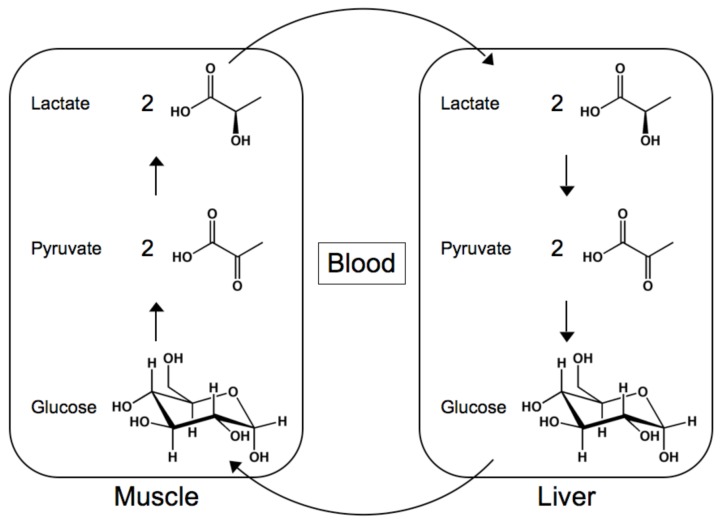
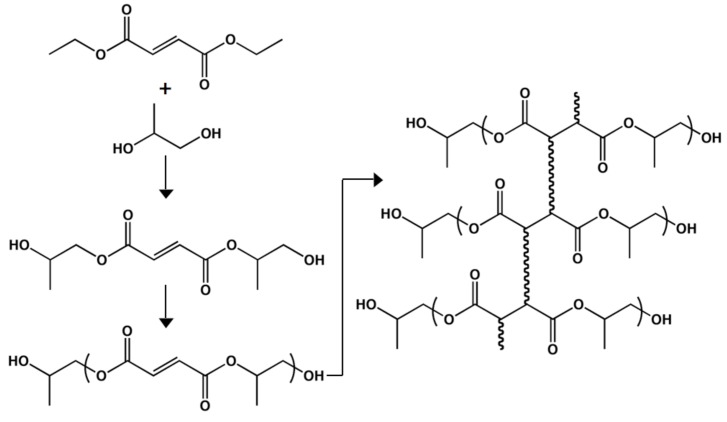
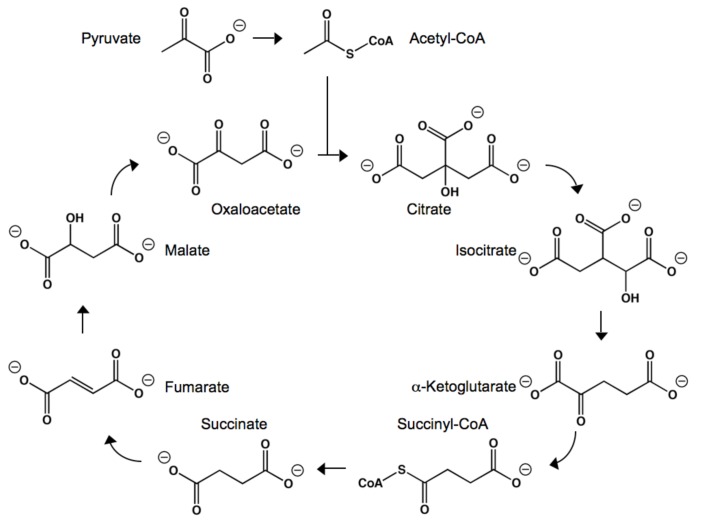
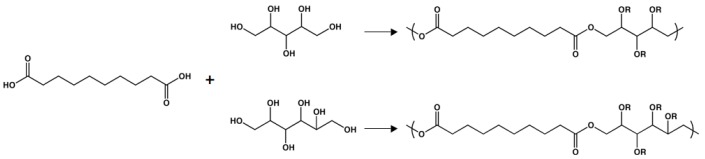
Synthetic polyesters have deeply impacted various biomedical and engineering fields, such as tissue scaffolding and therapeutic delivery. Currently, many applications involving polyesters are being explored with polymers derived from monomers that are endogenous to the human metabolism. Examples of these monomers include glycerol, xylitol, sorbitol, and lactic, sebacic, citric, succinic, alpha-ketoglutaric, and fumaric acids. In terms of mechanical versatility, crystallinity, hydrophobicity, and biocompatibility, polyesters synthesized partially or completely from these monomers can display a wide range of properties. The flexibility in these macromolecular properties allows for materials to be tailored according to the needs of a particular application. Along with the presence of natural monomers that allows for a high probability of biocompatibility, there is also an added benefit that this class of polyesters is more environmentally friendly than many other materials used in biomedical engineering. While the selection of monomers may be limited by nature, these polymers have produced or have the potential to produce an enormous number of successes in vitro and in vivo.
合成聚酯对组织支架和治疗药物输送等多种生物医学和工程领域产生了深远影响。目前,许多涉及聚酯的应用都在探索中,使用的聚合物来源于人类新陈代谢中内源性的单体。这些单体的例子包括甘油、木糖醇、山梨醇、乳酸、癸二酸、柠檬酸、琥珀酸、α-酮戊二酸和富马酸。在机械多功能性、结晶度、疏水性和生物相容性方面,部分或完全由这些单体合成的聚酯可以表现出广泛的性能。这些大分子性质的灵活性使得可以根据特定应用的需求来定制材料。除了天然单体的存在提高了生物相容性的可能性外,还有一个额外的好处是,与生物医学工程中使用的许多其他材料相比,这类聚酯更加环保。虽然单体的选择可能受到限制,但这些聚合物已经在体外和体内取得了巨大的成功,并且还有很大的潜力。