CRIIGEN, Paris, France.
Int J Biol Sci. 2009 Dec 10;5(7):706-26. doi: 10.7150/ijbs.5.706.
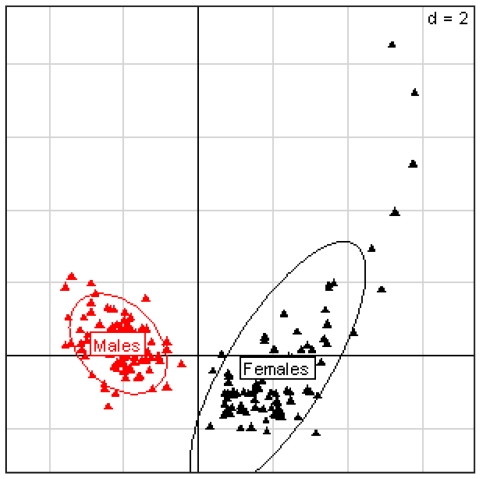
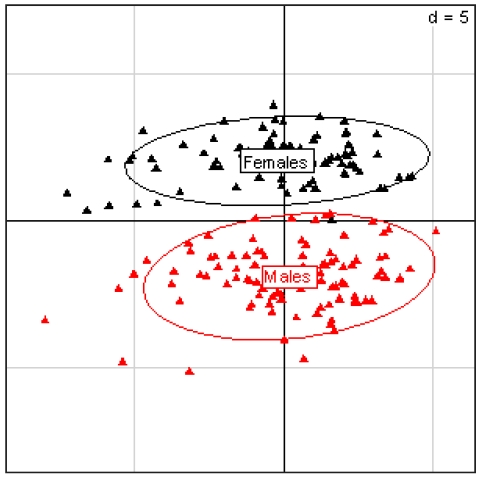
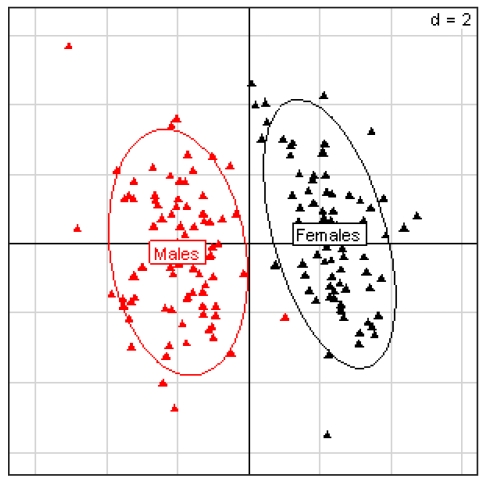
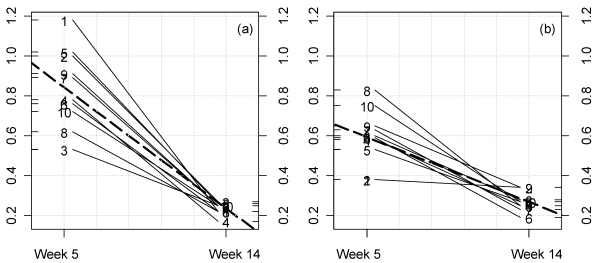
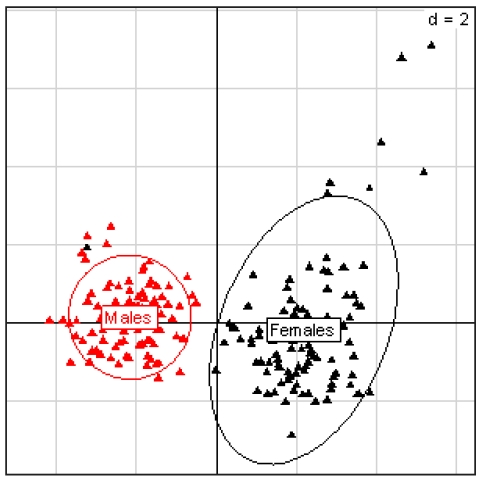
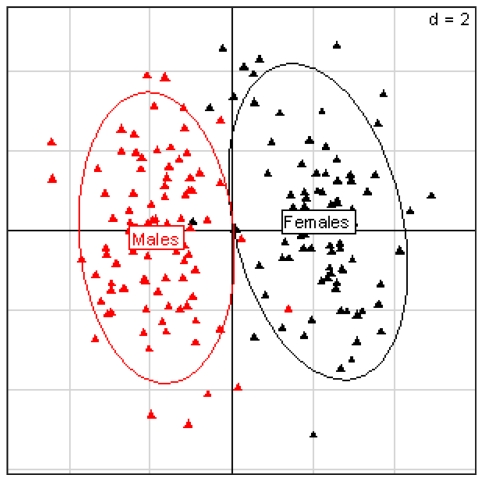
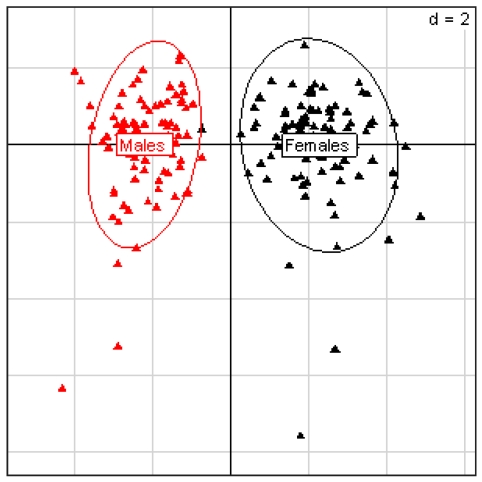
We present for the first time a comparative analysis of blood and organ system data from trials with rats fed three main commercialized genetically modified (GM) maize (NK 603, MON 810, MON 863), which are present in food and feed in the world. NK 603 has been modified to be tolerant to the broad spectrum herbicide Roundup and thus contains residues of this formulation. MON 810 and MON 863 are engineered to synthesize two different Bt toxins used as insecticides. Approximately 60 different biochemical parameters were classified per organ and measured in serum and urine after 5 and 14 weeks of feeding. GM maize-fed rats were compared first to their respective isogenic or parental non-GM equivalent control groups. This was followed by comparison to six reference groups, which had consumed various other non-GM maize varieties. We applied nonparametric methods, including multiple pairwise comparisons with a False Discovery Rate approach. Principal Component Analysis allowed the investigation of scattering of different factors (sex, weeks of feeding, diet, dose and group). Our analysis clearly reveals for the 3 GMOs new side effects linked with GM maize consumption, which were sex- and often dose-dependent. Effects were mostly associated with the kidney and liver, the dietary detoxifying organs, although different between the 3 GMOs. Other effects were also noticed in the heart, adrenal glands, spleen and haematopoietic system. We conclude that these data highlight signs of hepatorenal toxicity, possibly due to the new pesticides specific to each GM corn. In addition, unintended direct or indirect metabolic consequences of the genetic modification cannot be excluded.
我们首次呈现了对喂食三种主要商业化转基因(GM)玉米(NK603、MON810、MON863)的大鼠血液和器官系统数据的比较分析,这些玉米在世界范围内的食品和饲料中都有存在。NK603 被修改为耐受广谱除草剂 Roundup,因此含有这种制剂的残留。MON810 和 MON863 被设计为合成两种不同的用作杀虫剂的 Bt 毒素。在喂食 5 周和 14 周后,对血清和尿液中的每个器官进行了约 60 种不同的生化参数的分类和测量。首先将 GM 玉米喂养的大鼠与其各自的同基因或亲本非 GM 对照大鼠进行比较。然后将其与六个参考组进行比较,这些参考组食用了各种其他非 GM 玉米品种。我们应用了非参数方法,包括使用错误发现率方法进行多次两两比较。主成分分析允许研究不同因素(性别、喂养周数、饮食、剂量和组)的散射。我们的分析清楚地揭示了 3 种 GMO 与 GM 玉米消费相关的新的副作用,这些副作用与性别和剂量有关。这些影响主要与肾脏和肝脏有关,即饮食解毒器官,尽管在 3 种 GMO 之间存在差异。还注意到了心脏、肾上腺、脾脏和造血系统的其他影响。我们得出的结论是,这些数据突出了肝肾功能毒性的迹象,可能是由于每种 GM 玉米特有的新农药所致。此外,不能排除遗传修饰的意外直接或间接代谢后果。