Liu Jing, Hu Xuguang, Yang Quan, Yu Zhiling, Zhao Zhongzhen, Yi Tao, Chen Hubiao
School of Chinese Medicine, Hong Kong Baptist University, Kowloon Tong, Kowloon, Hong Kong.
J Biomed Biotechnol. 2010;2010:479426. doi: 10.1155/2010/479426. Epub 2010 Mar 9.
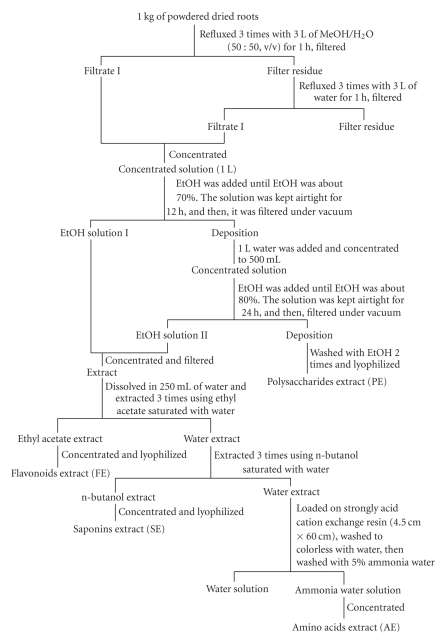
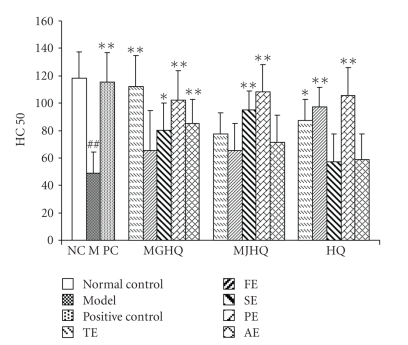
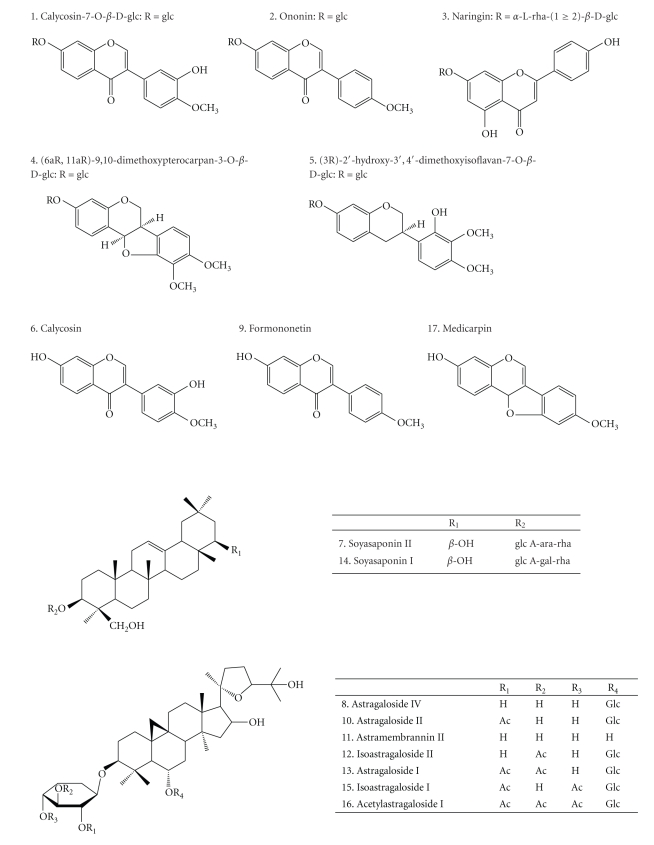
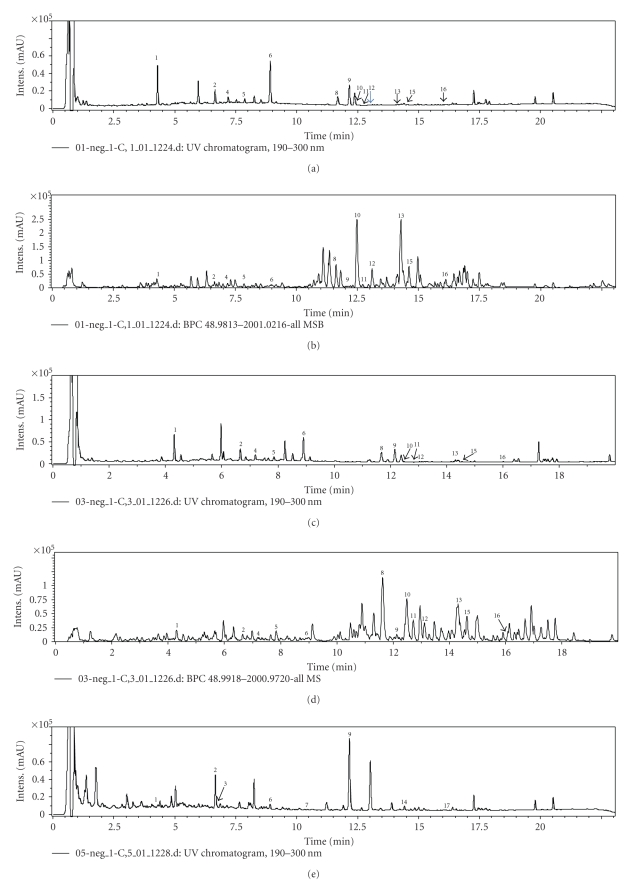
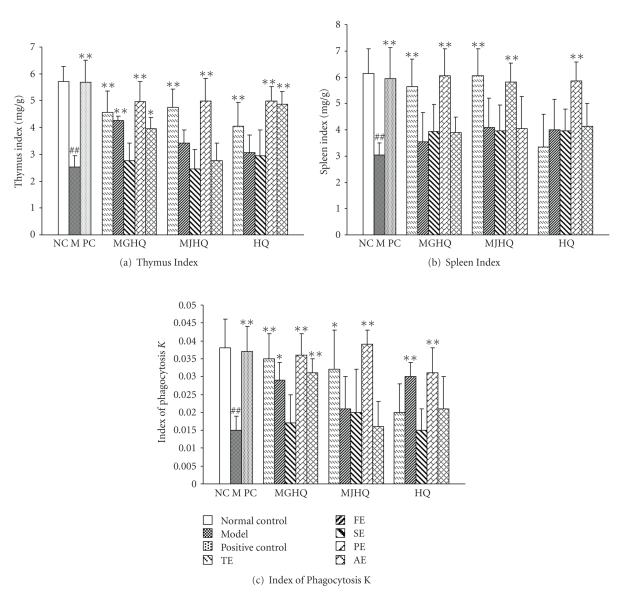
Radix Astragali (RA), known as "Huangqi" in China, is one of the most popular herbal medicines known worldwide to reinforce "Qi". RA is traditionally prepared from the dried roots of Astragalus membranaceus (MJHQ) and A. membranaceus var. mongholicus (MGHQ). Radix Hedysari is named "Hongqi" (HQ), which is similar to RA. We assessed and compared the chemical constituents and bioactivity of RA and HQ. Different constituents were extracted into five major parts and were analyzed using different methods. Comparison of the immunological effects of extracts was done by using two immunological models. Results showed that flavonoids and saponins present in RA and HQ were not only structurally significantly different but also different in their immunological effect. Amino acids extract (AE) in MGHQ shows immunological effect while AE in MJHQ and HQ did not. Polysaccharides comprised the major constituents in RA and HQ. All polysaccharides extract (PE) of the three herbs showed similar levels of immunological effect in both immunological assays.
黄芪在中国被称为“黄芪”,是世界上最常用的补气草药之一。传统上,黄芪由蒙古黄芪和膜荚黄芪的干燥根制成。红芪被称为“红芪”(HQ),与黄芪相似。我们评估并比较了黄芪和红芪的化学成分及生物活性。将不同成分提取为五个主要部分,并采用不同方法进行分析。通过两种免疫模型比较提取物的免疫效果。结果表明,黄芪和红芪中的黄酮类和皂苷类不仅结构上有显著差异,免疫效果也不同。蒙古黄芪中的氨基酸提取物(AE)具有免疫效果,而膜荚黄芪和红芪中的AE则没有。多糖是黄芪和红芪的主要成分。三种草药的所有多糖提取物(PE)在两种免疫测定中均显示出相似水平的免疫效果。