Unité de Recherche Cytokines & Inflammation, Institut Pasteur Paris France.
BMC Microbiol. 2010 Apr 8;10:105. doi: 10.1186/1471-2180-10-105.
Invasive aspergillosis (IA) is a major cause of infectious morbidity and mortality in immune compromised patients. Studies on the pathogenesis of IA have been limited by the difficulty to monitor disease progression in real-time. For real-time monitoring of the infection, we recently engineered a bioluminescent A. fumigatus strain.
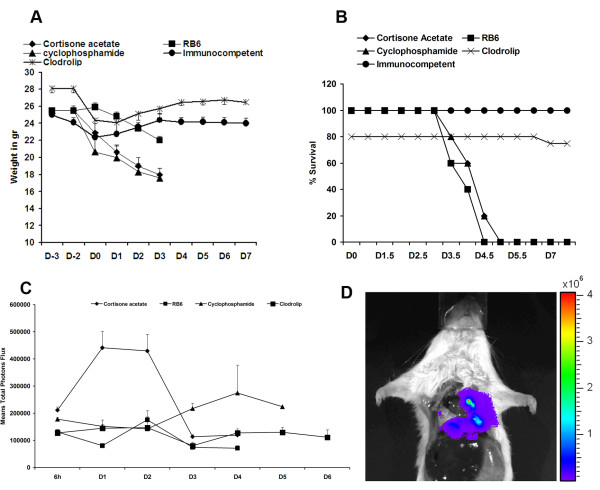
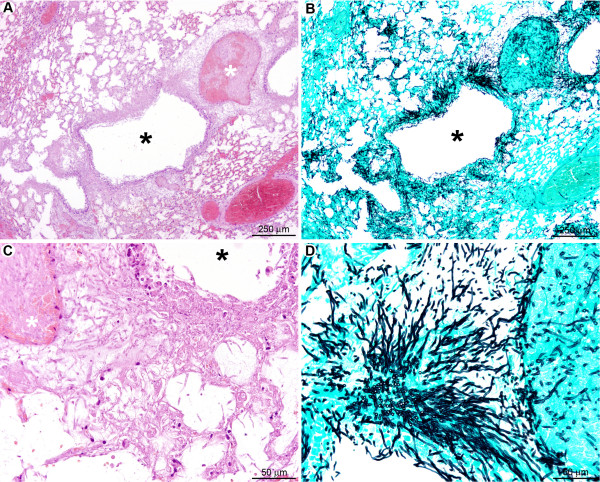
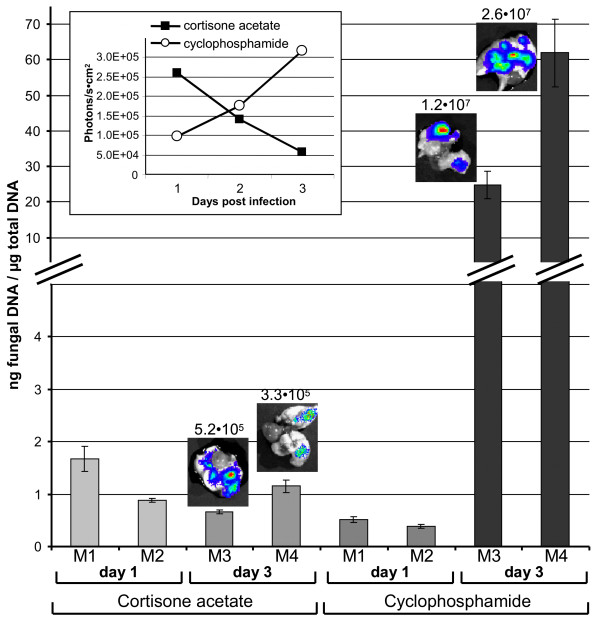
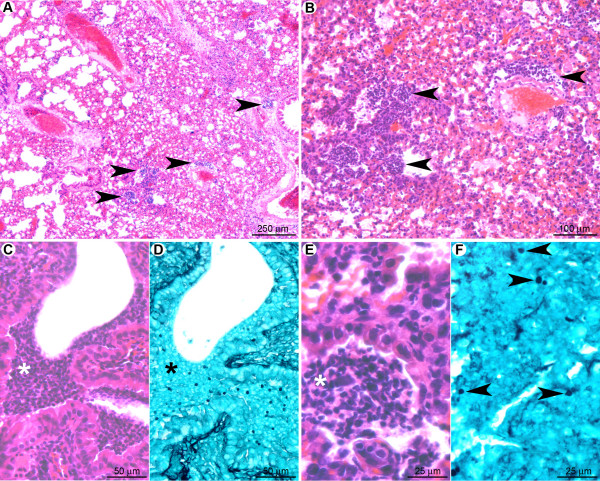
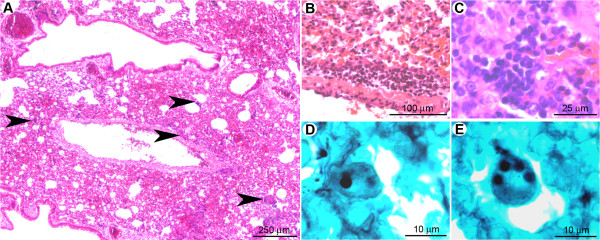
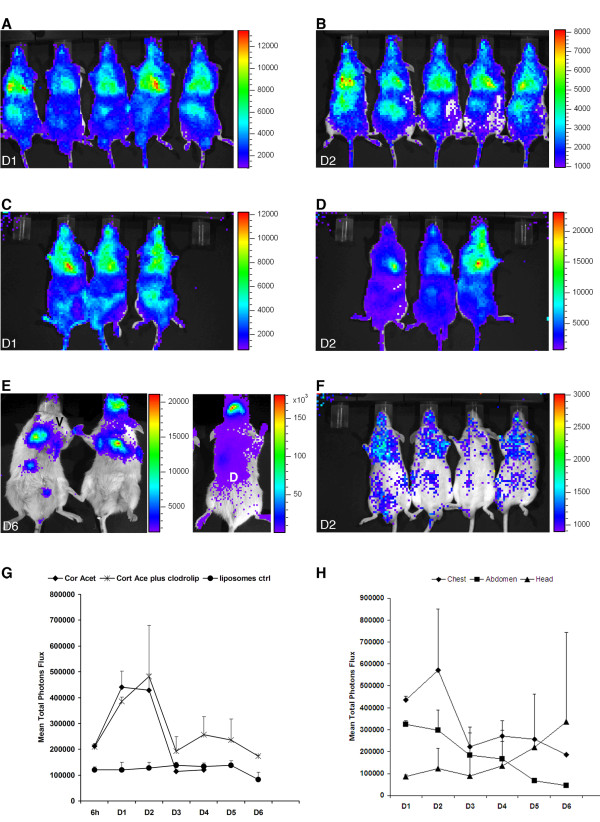
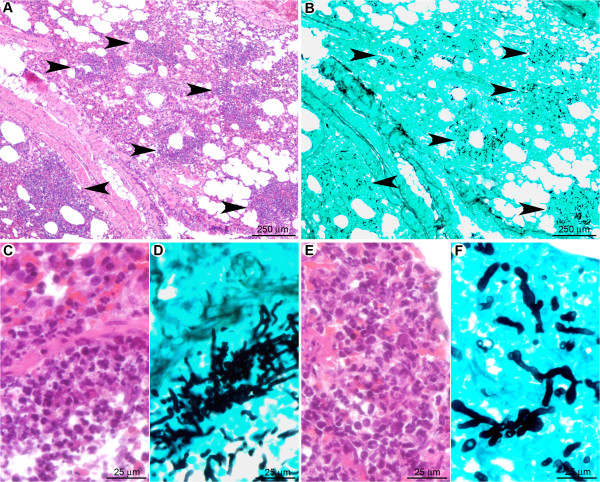
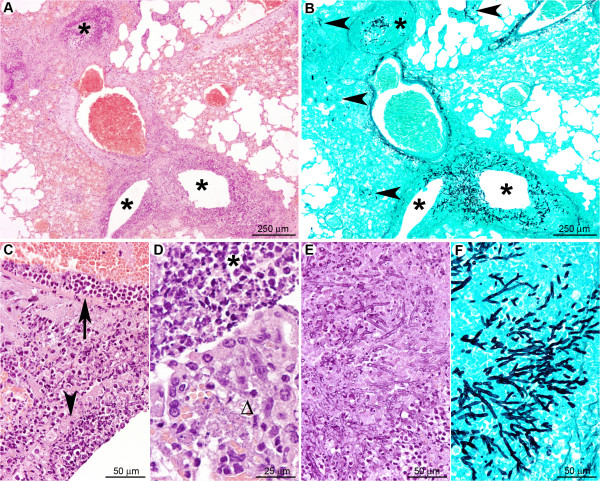
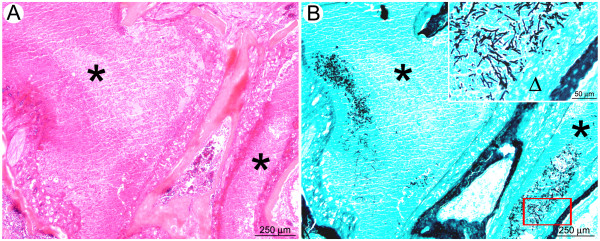
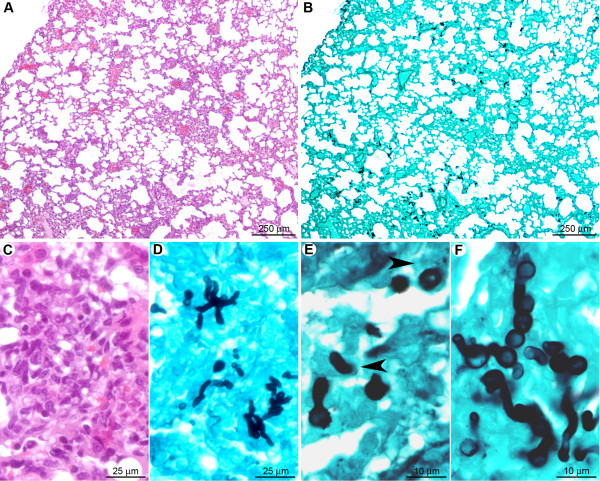
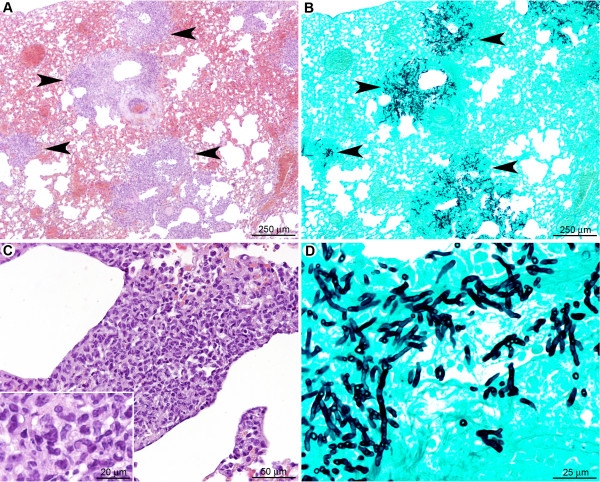
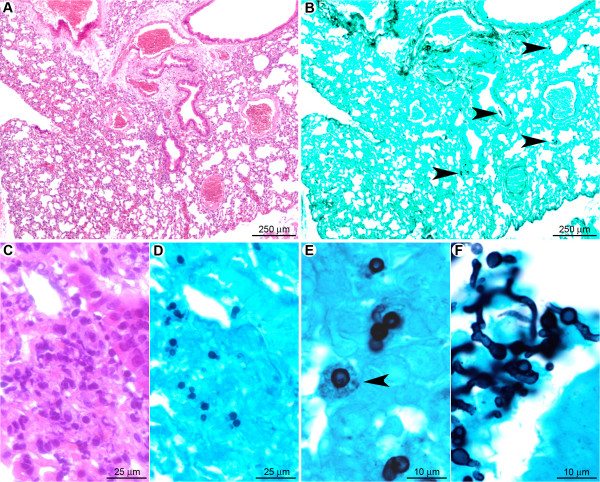
In this study, we demonstrate that bioluminescence imaging can track the progression of IA at different anatomic locations in a murine model of disease that recapitulates the natural route of infection. To define the temporal and functional requirements of distinct innate immune cellular subsets in host defense against respiratory A. fumigatus infection, we examined the development and progression of IA using bioluminescence imaging and histopathologic analysis in mice with four different types of pharmacologic or numeric defects in innate immune function that target resident and recruited phagocyte subsets. While bioluminescence imaging can track the progression and location of invasive disease in vivo, signals can be attenuated by severe inflammation and associated tissue hypoxia. However, especially under non-inflammatory conditions, such as cyclophosphamide treatment, an increasing bioluminescence signal reflects the increasing biomass of alive fungal cells.
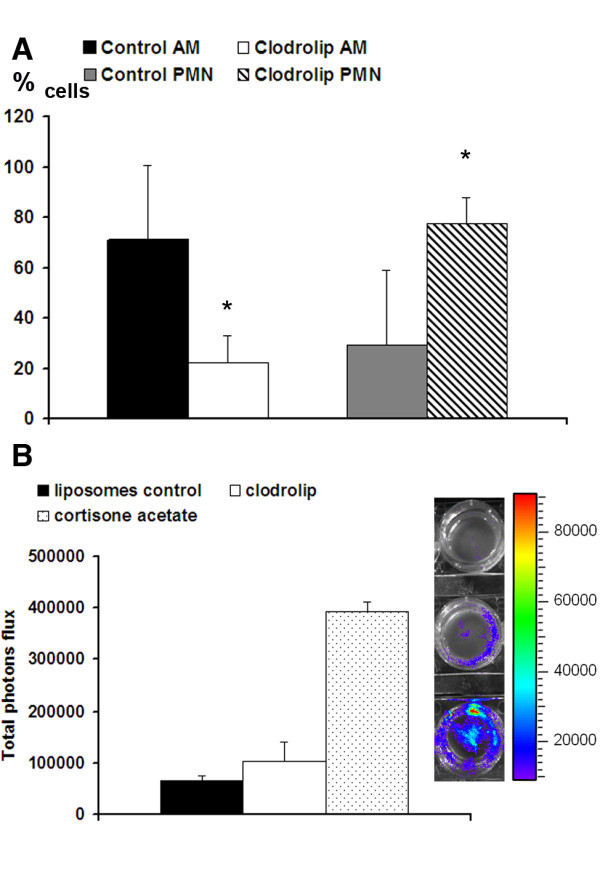
Imaging studies allowed an in vivo correlation between the onset, peak, and kinetics of hyphal tissue invasion from the lung under conditions of functional or numeric inactivation of phagocytes and sheds light on the germination speed of conidia under the different immunosuppression regimens. Conditions of high inflammation -either mediated by neutrophil influx under corticosteroid treatment or by monocytes recruited during antibody-mediated depletion of neutrophils- were associated with rapid conidial germination and caused an early rise in bioluminescence post-infection. In contrast, 80% alveolar macrophage depletion failed to trigger a bioluminescent signal, consistent with the notion that neutrophil recruitment is essential for early host defense, while alveolar macrophage depletion can be functionally compensated.
侵袭性曲霉病(IA)是免疫功能低下患者发生传染性发病率和死亡率的主要原因。由于难以实时监测疾病进展,IA 的发病机制研究受到限制。为了实时监测感染,我们最近构建了一株生物发光烟曲霉菌株。
在这项研究中,我们证明生物发光成像可以在模拟自然感染途径的疾病小鼠模型中实时监测不同解剖部位的 IA 进展。为了定义固有免疫细胞亚群在宿主防御呼吸道烟曲霉感染中的时间和功能要求,我们使用生物发光成像和组织病理学分析检查了具有四种不同固有免疫功能药理或数量缺陷的小鼠中 IA 的发展和进展,这些缺陷针对驻留和募集吞噬细胞亚群。虽然生物发光成像可以跟踪体内侵袭性疾病的进展和位置,但信号可能会被严重炎症和相关组织缺氧所减弱。然而,特别是在非炎症条件下,例如环磷酰胺治疗,生物发光信号的增加反映了活真菌细胞生物量的增加。
成像研究允许在功能或数量上失活吞噬细胞的情况下,从肺部开始、达到峰值以及真菌菌丝组织侵袭的动力学进行体内相关性,并且揭示了不同免疫抑制方案下孢子萌发的速度。炎症程度高的条件-要么由皮质类固醇治疗下的中性粒细胞流入介导,要么由抗体介导的中性粒细胞耗竭期间募集的单核细胞介导-与快速孢子萌发有关,并导致感染后生物发光的早期升高。相比之下,80%的肺泡巨噬细胞耗竭未能引发生物发光信号,这与中性粒细胞募集对早期宿主防御至关重要的观点一致,而肺泡巨噬细胞耗竭可以在功能上得到补偿。