National Centre in HIV Epidemiology and Clinical Research, University of New South Wales, Sydney, Australia.
J Int AIDS Soc. 2010 Apr 22;13:16. doi: 10.1186/1758-2652-13-16.
The state of the HIV epidemic in the Philippines has been described as "low and slow", which is in stark contrast to many other countries in the region. A review of the conditions for HIV spread in the Philippines is necessary.
We evaluated the current epidemiology, trends in behaviour and public health response in the Philippines to identify factors that could account for the current HIV epidemic, as well as to review conditions that may be of concern for facilitating an emerging epidemic.
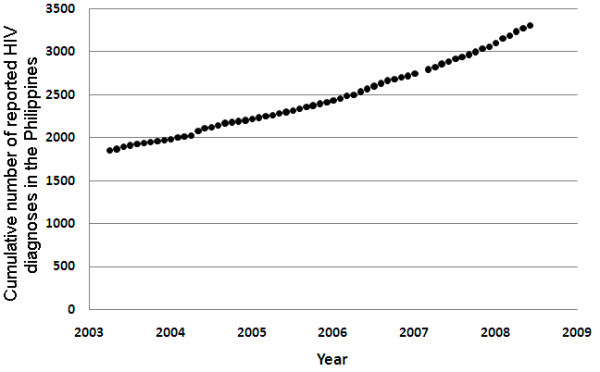
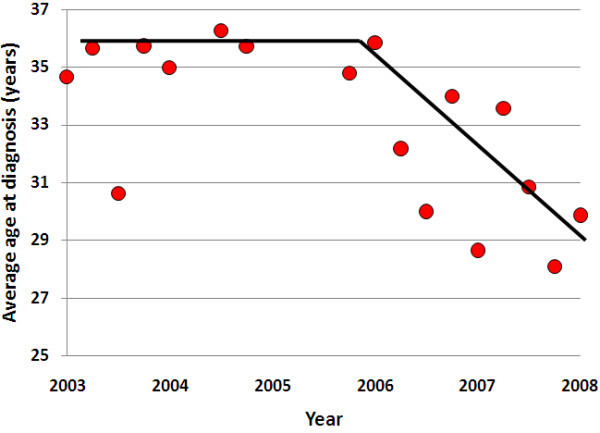
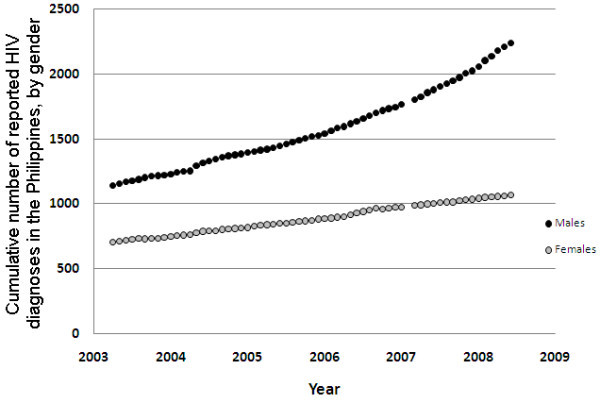
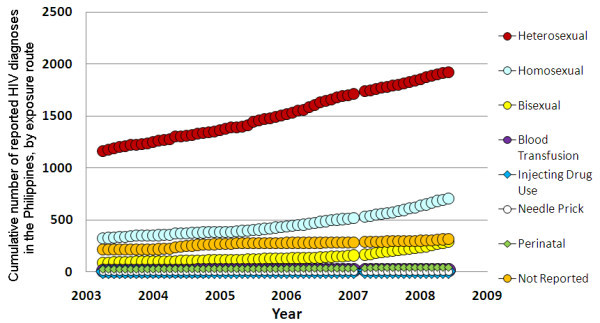
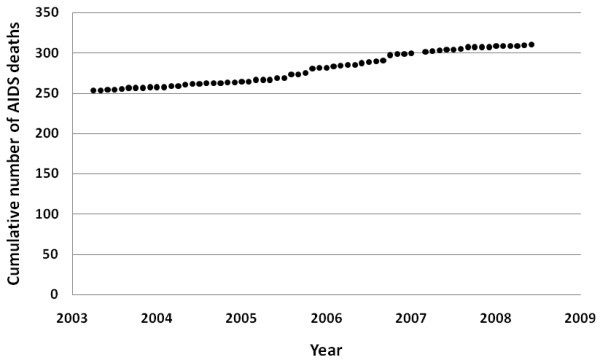
The past control of HIV in the Philippines cannot be attributed to any single factor, nor is it necessarily a result of the actions of the Filipino government or other stakeholders. Likely reasons for the epidemic's slow development include: the country's geography is complicated; injecting drug use is relatively uncommon; a culture of sexual conservatism exists; sex workers tend to have few clients; anal sex is relatively uncommon; and circumcision rates are relatively high.In contrast, there are numerous factors suggesting that HIV is increasing and ready to emerge at high rates, including: the lowest documented rates of condom use in Asia; increasing casual sexual activity; returning overseas Filipino workers from high-prevalence settings; widespread misconceptions about HIV/AIDS; and high needle-sharing rates among injecting drug users.There was a three-fold increase in the rate of HIV diagnoses in the Philippines between 2003 and 2008, and this has continued over the past year. HIV diagnoses rates have noticeably increased among men, particularly among bisexual and homosexual men (114% and 214% respective increases over 2003-2008). The average age of diagnosis has also significantly decreased, from approximately 36 to 29 years.
Young adults, men who have sex with men, commercial sex workers, injecting drug users, overseas Filipino workers, and the sexual partners of people in these groups are particularly vulnerable to HIV infection. There is no guarantee that a large HIV epidemic will be avoided in the near future. Indeed, an expanding HIV epidemic is likely to be only a matter of time as the components for such an epidemic are already present in the Philippines.
菲律宾的艾滋病毒流行状况被描述为“低且缓慢”,与该地区许多其他国家形成鲜明对比。有必要审查菲律宾艾滋病毒传播的条件。
我们评估了菲律宾目前的流行病学、行为趋势和公共卫生应对措施,以确定可能导致当前艾滋病毒流行的因素,并审查可能有利于新出现的流行的情况。
过去菲律宾对艾滋病毒的控制不能归因于任何单一因素,也不一定是菲律宾政府或其他利益攸关方采取行动的结果。该流行缓慢发展的可能原因包括:该国的地理位置复杂;注射吸毒行为相对较少;存在性保守文化;性工作者的客户往往较少;肛交行为相对较少;以及割礼率相对较高。相比之下,有许多因素表明艾滋病毒正在增加,并准备以高比率出现,包括:亚洲记录的避孕套使用率最低;偶然性行为的增加;来自高流行地区的海外菲律宾工人的返回;对艾滋病毒/艾滋病的广泛误解;以及注射吸毒者中广泛的共用针头行为。2003 年至 2008 年间,菲律宾的艾滋病毒诊断率增加了两倍,过去一年以来一直在持续增加。艾滋病毒诊断率在男性中明显增加,特别是在双性恋和同性恋男性中(与 2003-2008 年相比,分别增加了 114%和 214%)。诊断的平均年龄也显著下降,从大约 36 岁降至 29 岁。
年轻人、男男性行为者、性工作者、注射吸毒者、海外菲律宾工人以及这些人群的性伴侣特别容易感染艾滋病毒。不能保证在不久的将来避免出现大规模的艾滋病毒流行。事实上,由于菲律宾已经存在出现此类流行的因素,因此扩大艾滋病毒流行很可能只是时间问题。