Institut de Recherche pour le Développement (IRD)/Centre International de Recherche pour l'Elevage en zones Subhumides (CIRDES), UMR 177 IRD-Centre de coopération Internationale en Recherche Agronomique pour le Développement (CIRAD), CIRDES 01 BP 454, Bobo-Dioulasso, Burkina Faso.
PLoS Negl Trop Dis. 2010 May 25;4(5):e692. doi: 10.1371/journal.pntd.0000692.
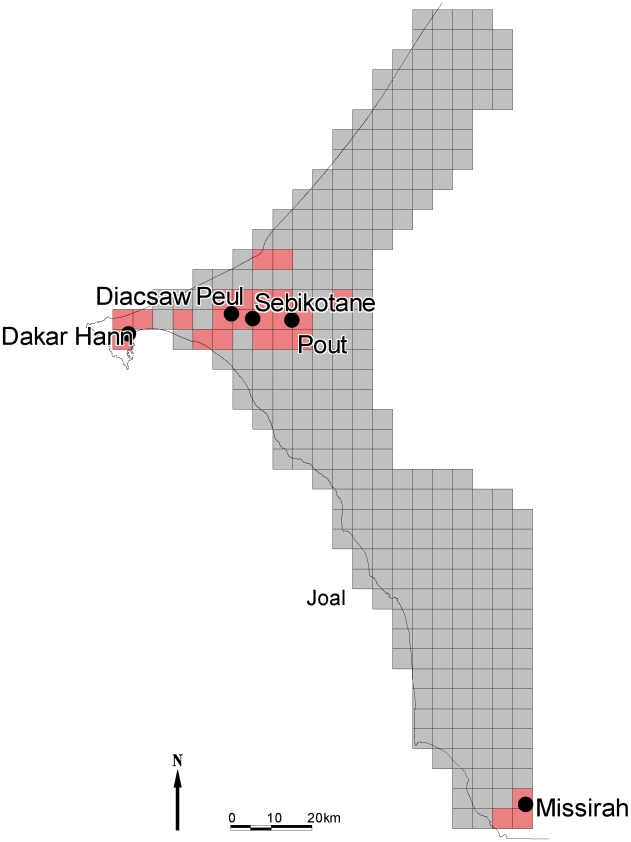
The Government of Senegal has initiated the "Projet de lutte contre les glossines dans les Niayes" to remove the trypanosomosis problem from this area in a sustainable way. Due to past failures to sustainably eradicate Glossina palpalis gambiensis from the Niayes area, controversies remain as to the best strategy implement, i.e. "eradication" versus "suppression." To inform this debate, we used population genetics to measure genetic differentiation between G. palpalis gambiensis from the Niayes and those from the southern tsetse belt (Missira).
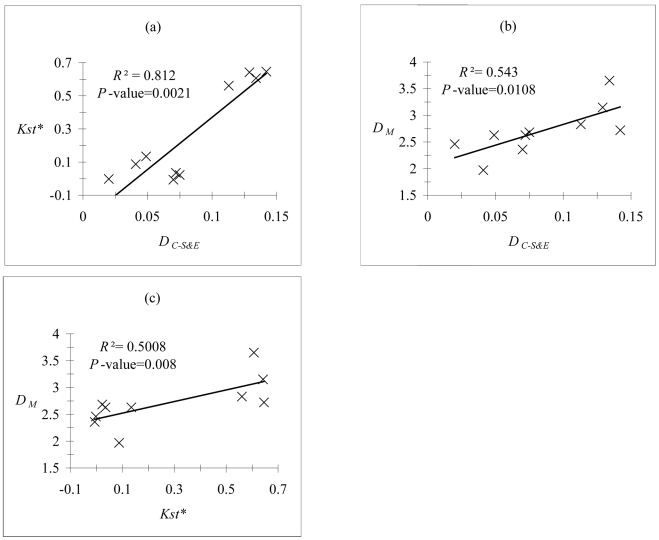
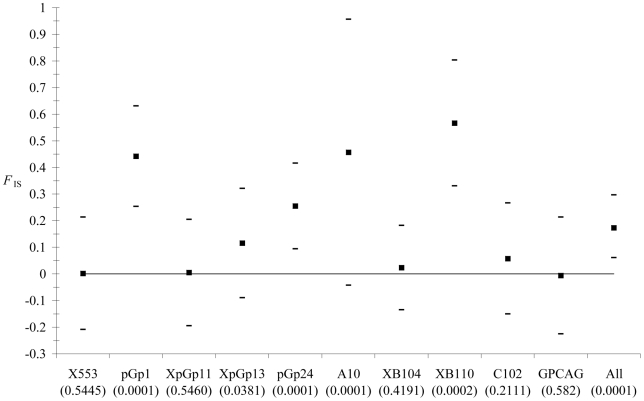
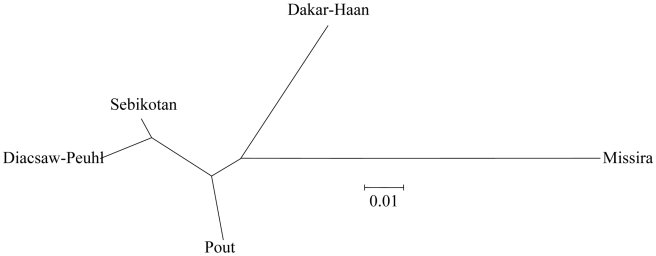
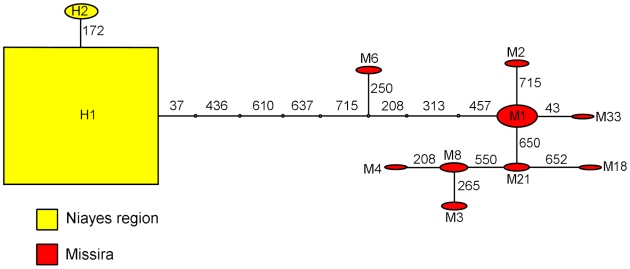
METHODOLOGY/PRINCIPAL FINDINGS: Three different markers (microsatellite DNA, mitochondrial CO1 DNA, and geometric morphometrics of the wings) were used on 153 individuals and revealed that the G. p. gambiensis populations of the Niayes were genetically isolated from the nearest proximate known population of Missira. The genetic differentiation measured between these two areas (theta = 0.12 using microsatellites) was equivalent to a between-taxa differentiation. We also demonstrated that within the Niayes, the population from Dakar - Hann was isolated from the others and had probably experienced a bottleneck.
CONCLUSION/SIGNIFICANCE: The information presented in this paper leads to the recommendation that an eradication strategy for the Niayes populations is advisable. This kind of study may be repeated in other habitats and for other tsetse species to (i) help decision on appropriate tsetse control strategies and (ii) find other possible discontinuities in tsetse distribution.
塞内加尔政府发起了“尼亚耶防治舌蝇计划”,以可持续的方式解决该地区的锥虫病问题。由于过去未能从尼亚耶地区可持续地根除冈比亚舌蝇,因此关于最佳实施策略(即“根除”与“抑制”)仍存在争议。为了为这场辩论提供信息,我们利用种群遗传学来衡量尼亚耶地区和南部采采蝇带(米西拉)的冈比亚舌蝇之间的遗传分化。
方法/主要发现:对 153 个人进行了三种不同的标记(微卫星 DNA、线粒体 CO1 DNA 和翅膀的几何形态测量),结果表明,尼亚耶的冈比亚舌蝇种群在遗传上与最近的米西拉已知种群隔离。这两个地区之间测量的遗传分化(使用微卫星测量的 theta = 0.12)相当于种间分化。我们还证明,在尼亚耶,达喀尔-汉恩的种群与其他种群隔离,可能经历了瓶颈。
结论/意义:本文提供的信息建议对尼亚耶种群采取根除策略是明智的。这种研究可以在其他栖息地和其他采采蝇物种中重复进行,以(i)帮助确定适当的采采蝇控制策略,(ii)发现采采蝇分布的其他可能不连续。