Department of Medical Genetics, University of Cambridge, Cambridge Institute for Medical Research, Addenbrooke's Hospital, Hills Road, Cambridge CB2 0XY, UK.
Hum Mol Genet. 2010 Sep 1;19(17):3413-29. doi: 10.1093/hmg/ddq253. Epub 2010 Jun 21.
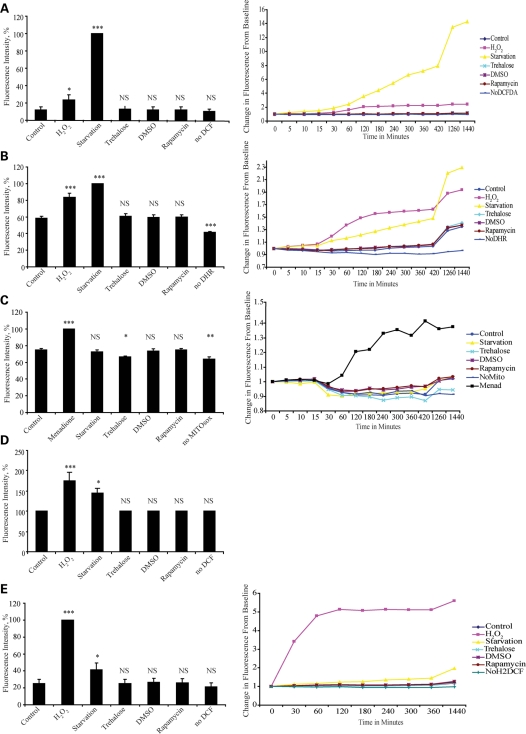
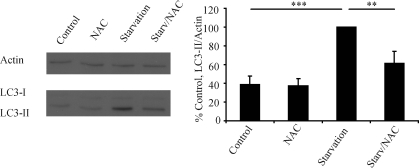
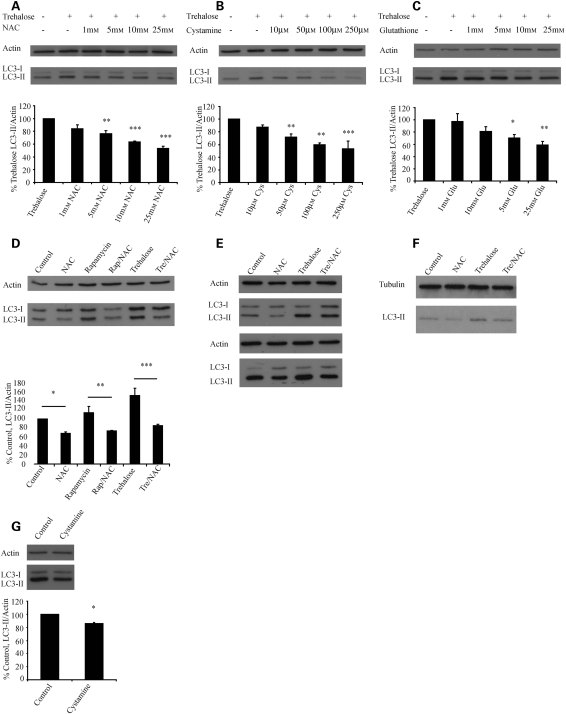
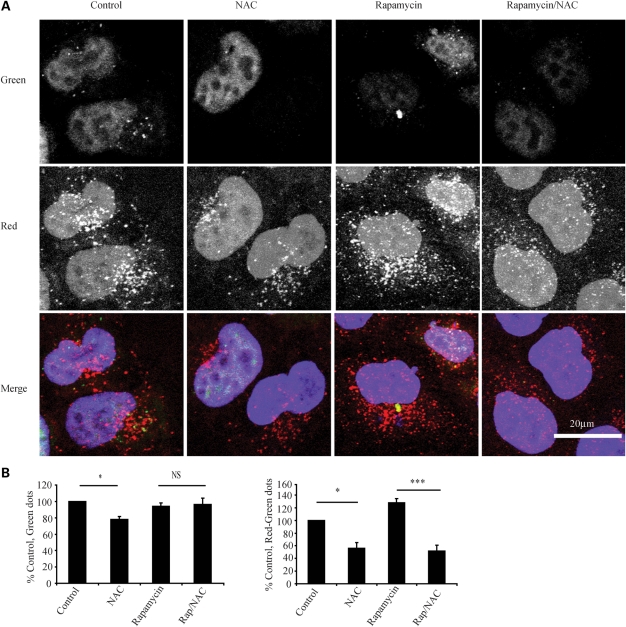
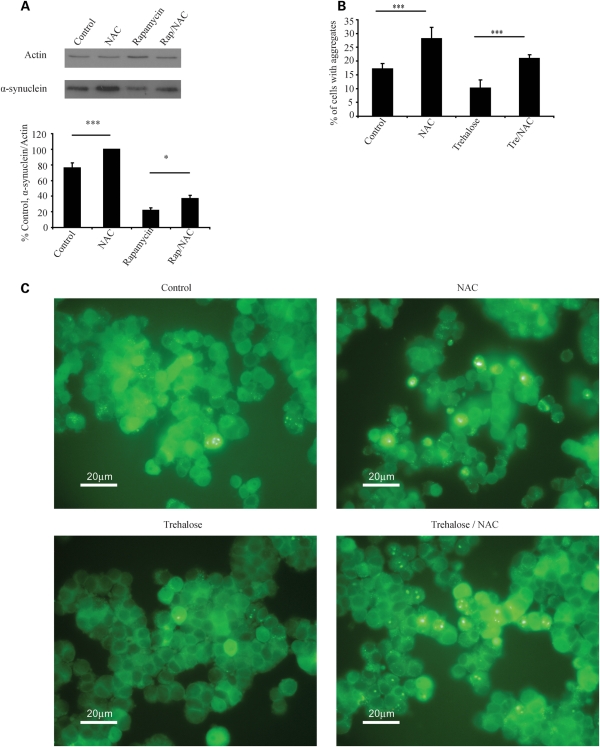
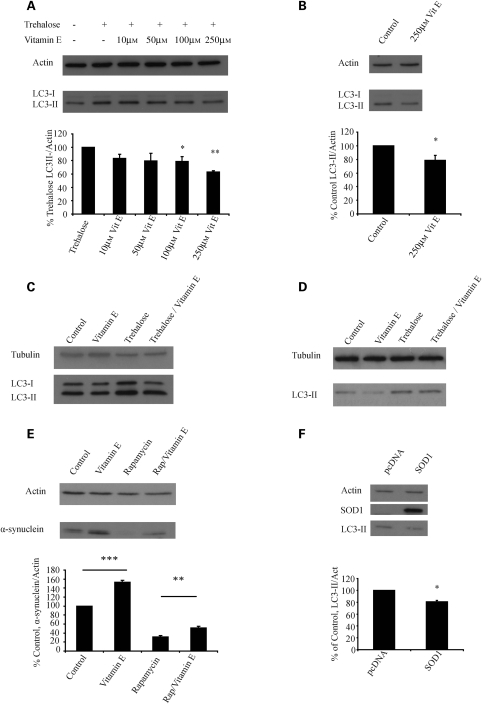
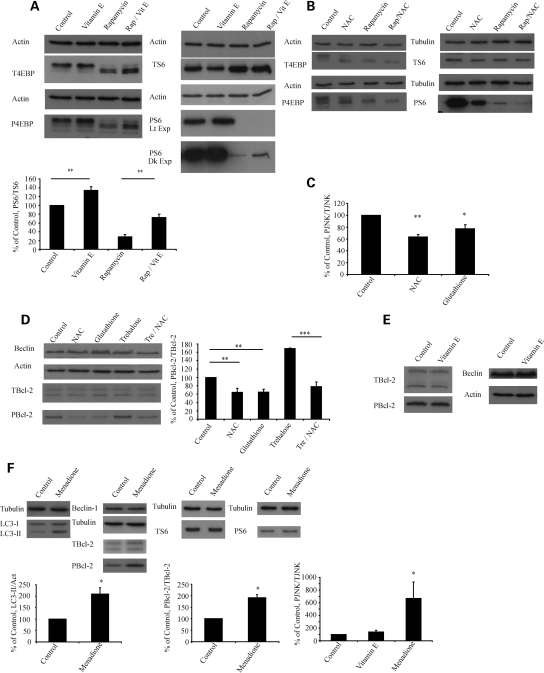
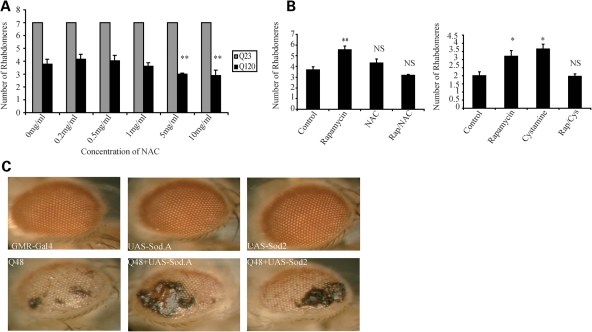
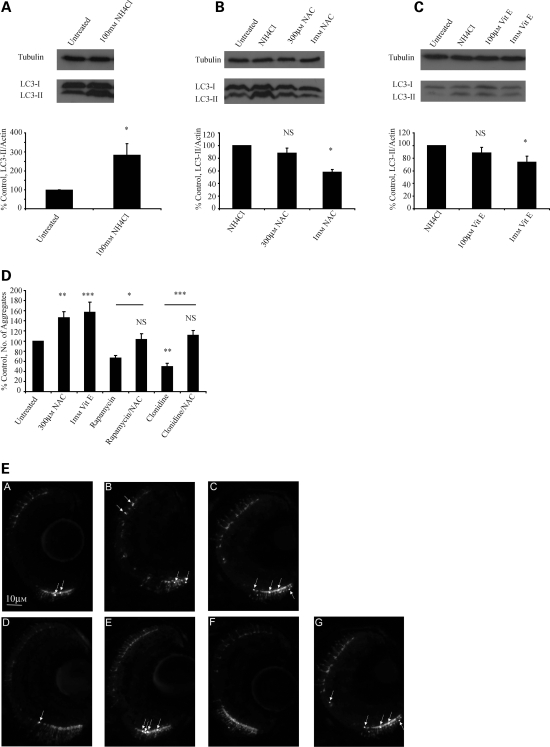
Many neurodegenerative diseases exhibit protein accumulation and increased oxidative stress. Therapeutic strategies include clearing aggregate-prone proteins by enhancing autophagy or decreasing oxidative stress with antioxidants. Many autophagy-inducing stimuli increase reactive oxygen species (ROS), raising concerns that the benefits of autophagy up-regulation may be counterbalanced by ROS toxicity. Here we show that not all autophagy inducers significantly increase ROS. However, many antioxidants inhibit both basal and induced autophagy. By blocking autophagy, antioxidant drugs can increase the levels of aggregate-prone proteins associated with neurodegenerative disease. In fly and zebrafish models of Huntington's disease, antioxidants exacerbate the disease phenotype and abrogate the rescue seen with autophagy-inducing agents. Thus, the potential benefits in neurodegenerative diseases of some classes of antioxidants may be compromised by their autophagy-blocking properties.
许多神经退行性疾病表现出蛋白质积累和氧化应激增加。治疗策略包括通过增强自噬或用抗氧化剂减少氧化应激来清除易于聚集的蛋白质。许多诱导自噬的刺激物会增加活性氧(ROS),这让人担心自噬上调的益处可能会被 ROS 毒性所抵消。在这里,我们表明并非所有的自噬诱导剂都会显著增加 ROS。然而,许多抗氧化剂会抑制基础和诱导的自噬。通过阻断自噬,抗氧化药物可以增加与神经退行性疾病相关的易于聚集的蛋白质的水平。在亨廷顿病的果蝇和斑马鱼模型中,抗氧化剂会加重疾病表型,并消除自噬诱导剂带来的拯救效果。因此,某些类别的抗氧化剂在神经退行性疾病中的潜在益处可能会因其阻断自噬的特性而受到影响。