Department of Medicine, Division of Infectious Diseases, Emory University School of Medicine and the Atlanta VA Medical Center, Atlanta, Georgia, USA.
Am J Med Sci. 2010 Sep;340(3):202-8. doi: 10.1097/MAJ.0b013e3181e937b0.
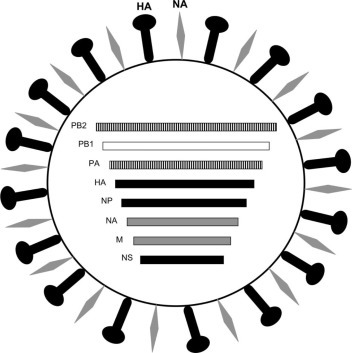
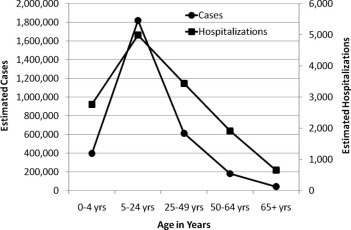
A swine-origin H1N1 triple-reassortant influenza A virus found to be a distant relative of the 1918 "Spanish flu" virus emerged in April 2009 to give rise to the first influenza pandemic of the 21st century. Although disease was generally mild and similar to seasonal influenza, severe manifestations including respiratory failure were noted in some, particularly those with underlying conditions such as asthma, pregnancy and immunosuppression. Children and younger adults accounted for most cases, hospitalizations and deaths. A reverse transcriptase-polymerase chain reaction assay was superior to antigen-based rapid tests for diagnosis. All 2009 H1N1 pandemic influenza strains were susceptible to 1 or more neuraminidase inhibitors. Monovalent, unadjuvanted 2009 H1N1 vaccines were licensed in the United States in September 2009 and initially targeted to younger individuals, pregnant women, caretakers of infants and healthcare providers. The 2009 H1N1 pandemic highlights the need for modernization of influenza vaccines, improved diagnostics and more rigorous evaluation of mitigation strategies.
一种猪源 H1N1 三重组流感 A 病毒被发现与 1918 年的“西班牙流感”病毒有较远的亲缘关系,它于 2009 年 4 月出现,引发了 21 世纪的首次流感大流行。虽然疾病通常较轻,与季节性流感相似,但在某些人中,包括那些患有哮喘、怀孕和免疫抑制等基础疾病的人,出现了严重的表现,包括呼吸衰竭。儿童和年轻成年人占大多数病例、住院和死亡病例。逆转录酶-聚合酶链反应检测优于基于抗原的快速检测。所有 2009 年 H1N1 大流行流感株均对 1 种或多种神经氨酸酶抑制剂敏感。单价、无佐剂的 2009 年 H1N1 疫苗于 2009 年 9 月在美国获得许可,最初针对年轻人群、孕妇、婴幼儿看护者和医护人员。2009 年 H1N1 大流行突出表明需要对流感疫苗进行现代化改造、改进诊断方法,并更严格地评估缓解策略。