Department of Bioengineering, Stanford University, Stanford, California, USA.
Nat Biotechnol. 2011 Jan;29(1):51-7. doi: 10.1038/nbt.1739. Epub 2010 Dec 19.
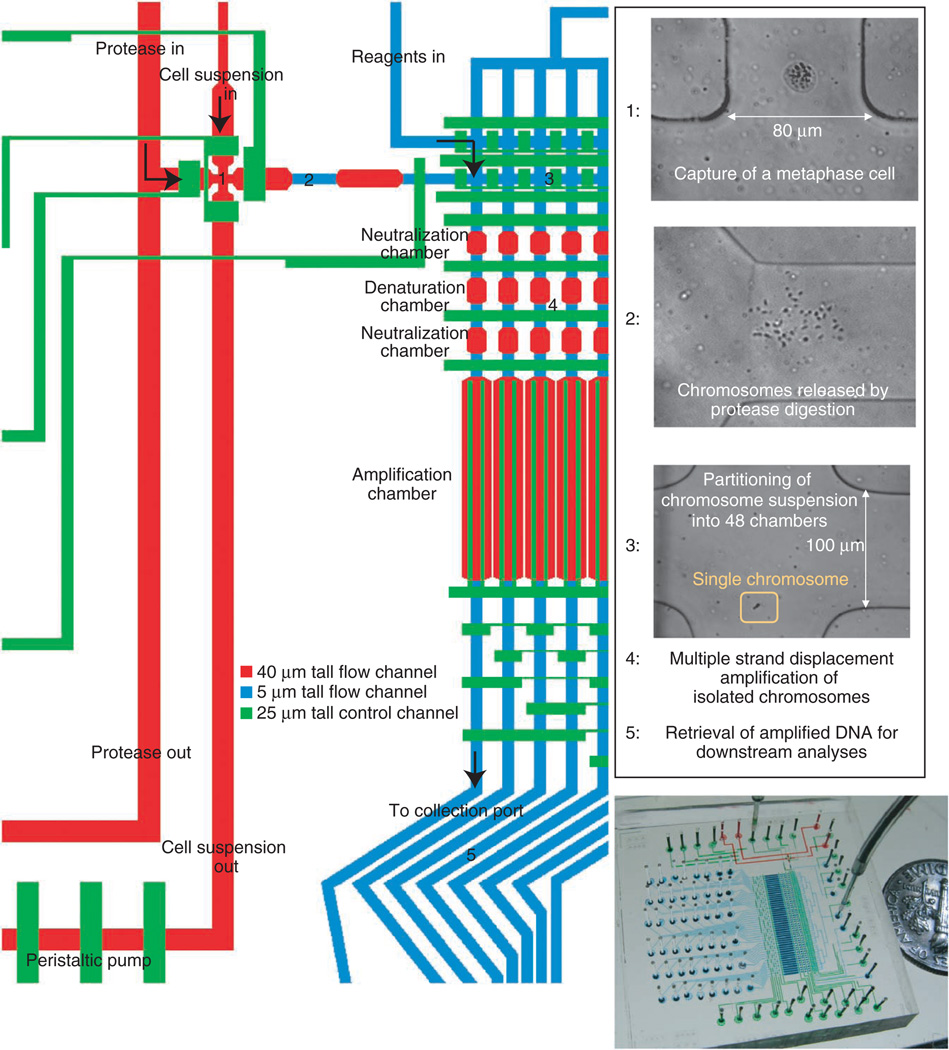
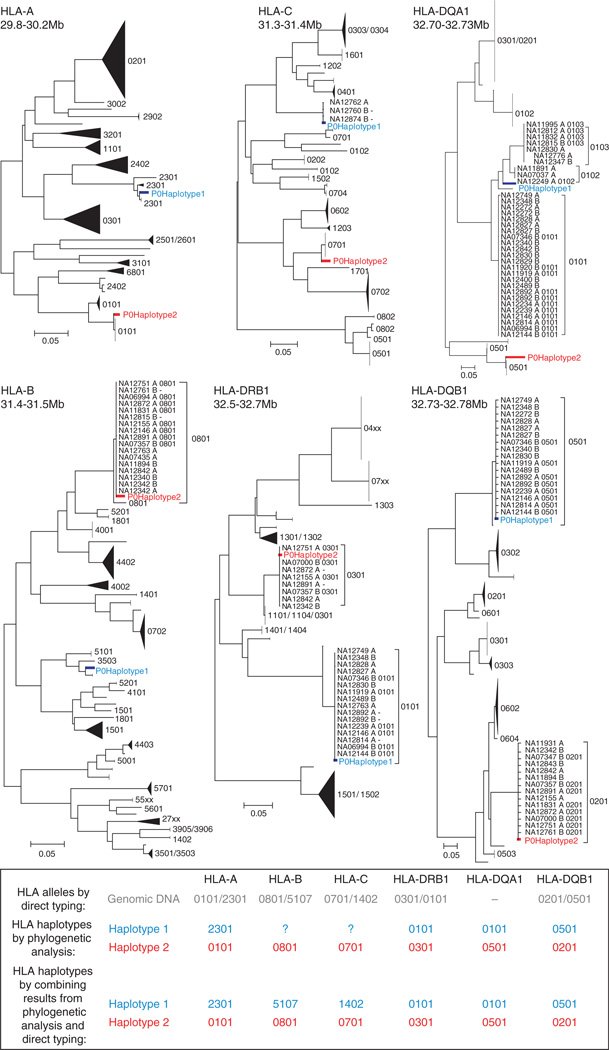
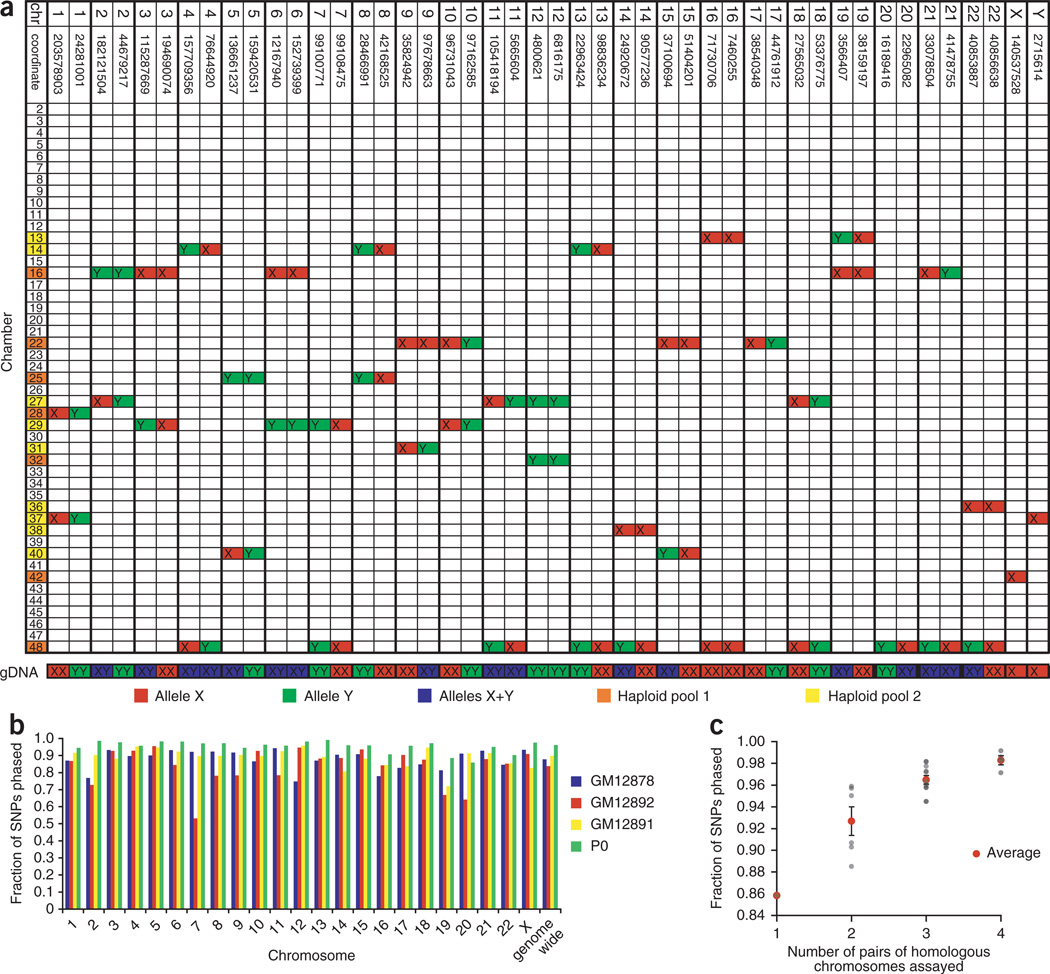
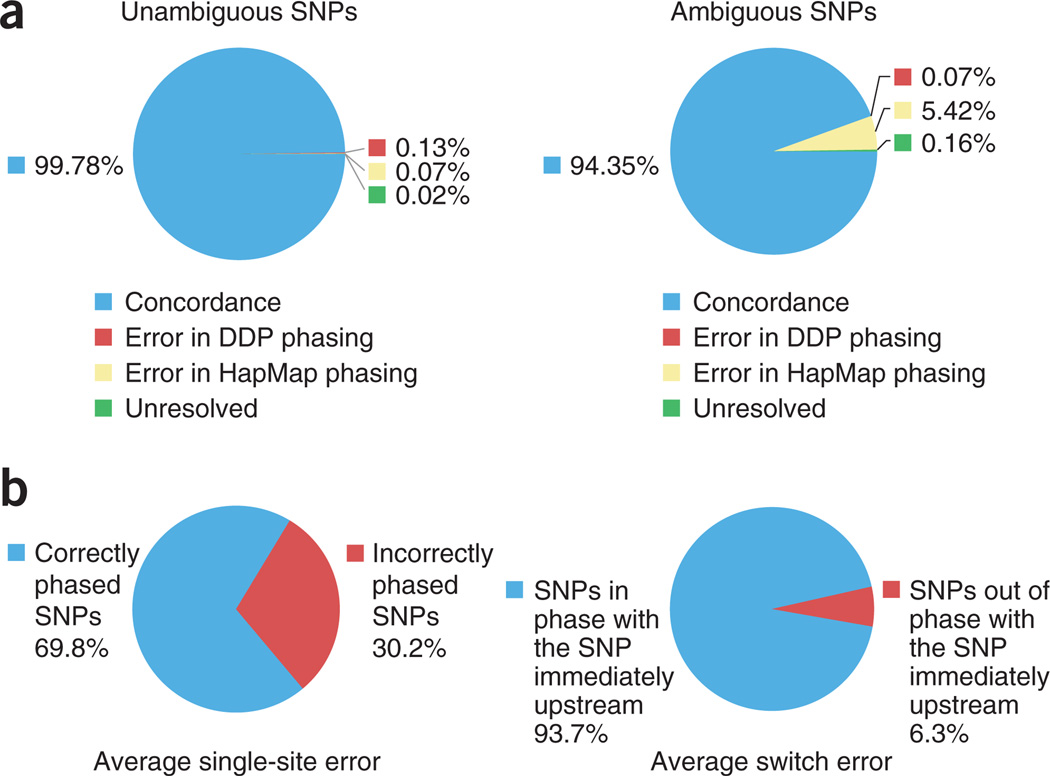
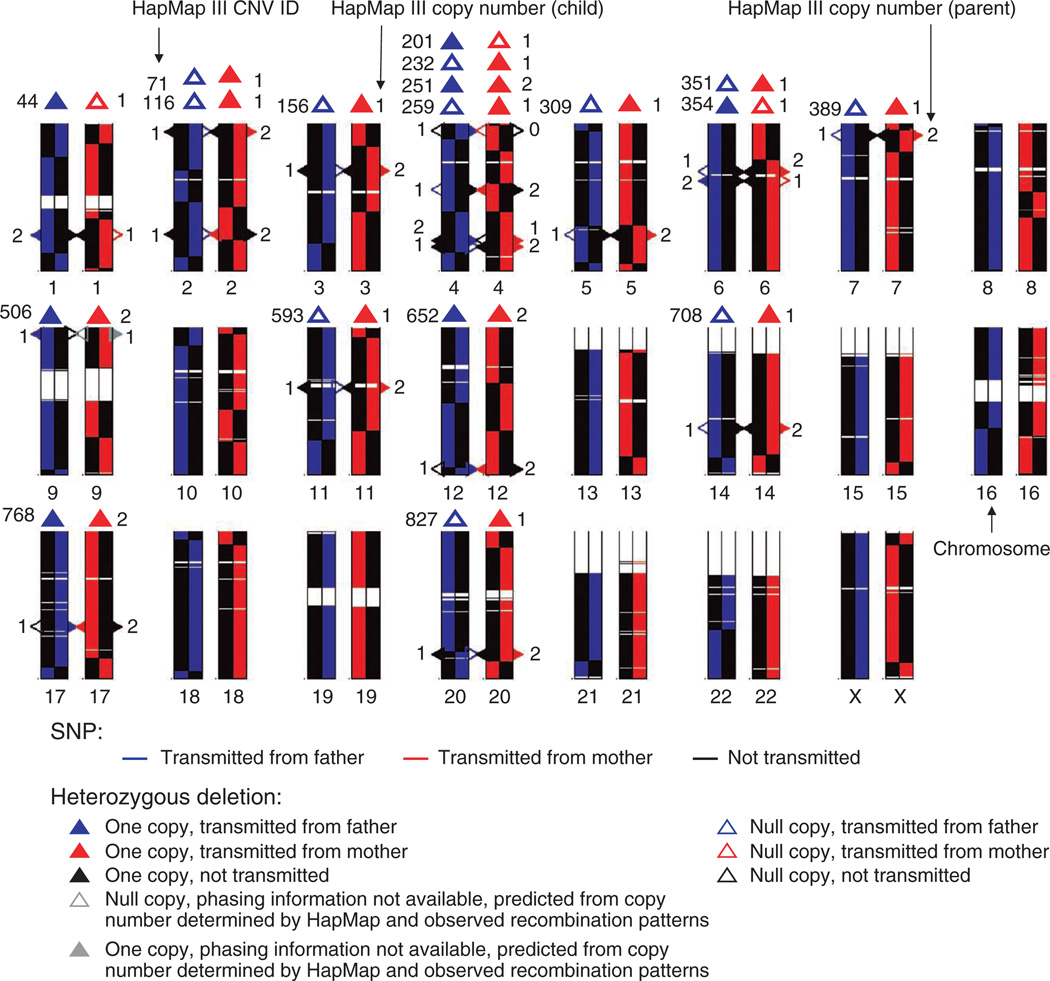
Conventional experimental methods of studying the human genome are limited by the inability to independently study the combination of alleles, or haplotype, on each of the homologous copies of the chromosomes. We developed a microfluidic device capable of separating and amplifying homologous copies of each chromosome from a single human metaphase cell. Single-nucleotide polymorphism (SNP) array analysis of amplified DNA enabled us to achieve completely deterministic, whole-genome, personal haplotypes of four individuals, including a HapMap trio with European ancestry (CEU) and an unrelated European individual. The phases of alleles were determined at ∼99.8% accuracy for up to ∼96% of all assayed SNPs. We demonstrate several practical applications, including direct observation of recombination events in a family trio, deterministic phasing of deletions in individuals and direct measurement of the human leukocyte antigen haplotypes of an individual. Our approach has potential applications in personal genomics, single-cell genomics and statistical genetics.
传统的人类基因组研究实验方法受到限制,因为无法独立研究每条同源染色体上等位基因(或单倍型)的组合。我们开发了一种微流控设备,能够从单个人类中期细胞中分离和扩增每条染色体的同源拷贝。对扩增 DNA 进行的单核苷酸多态性(SNP)阵列分析使我们能够实现完全确定的、全基因组的、个人的单倍型,包括具有欧洲血统(CEU)的 HapMap 三人组和一个无关的欧洲个体。对于多达 96%的所有检测 SNP,等位基因的相位以约 99.8%的准确率确定。我们展示了几种实际应用,包括对家族三人组中重组事件的直接观察、个体中缺失的确定性定相以及对个体人类白细胞抗原单倍型的直接测量。我们的方法在个人基因组学、单细胞基因组学和统计遗传学中有潜在的应用。