Institute for Applied Epistemology and Medical Methodology, Freiburg, Germany.
J Pain Res. 2009 Jun 25;2:75-85. doi: 10.2147/jpr.s5922.
Anthroposophic treatment for chronic low back pain (LBP) includes special artistic and physical therapies and special medications. In a previously published prospective cohort study, anthroposophic treatment for chronic LBP was associated with improvements of pain, back function, and quality of life at 12-month follow-up. These improvements were at least comparable to improvements in a control group receiving conventional care. We conducted a two-year follow-up analysis of the anthroposophic therapy group with a larger sample size.
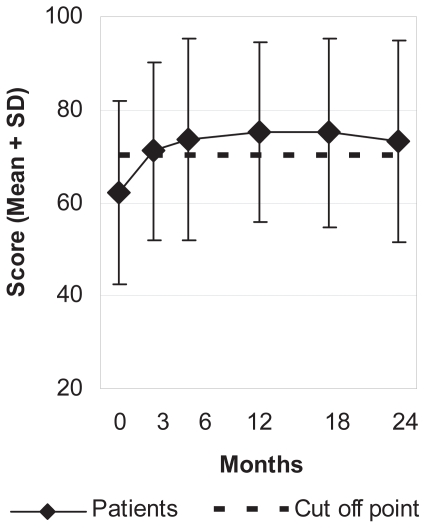
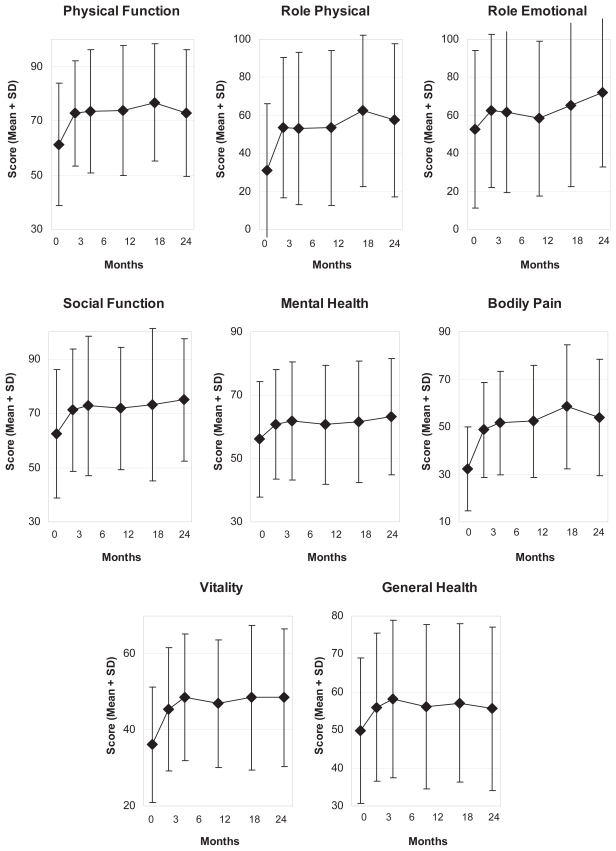
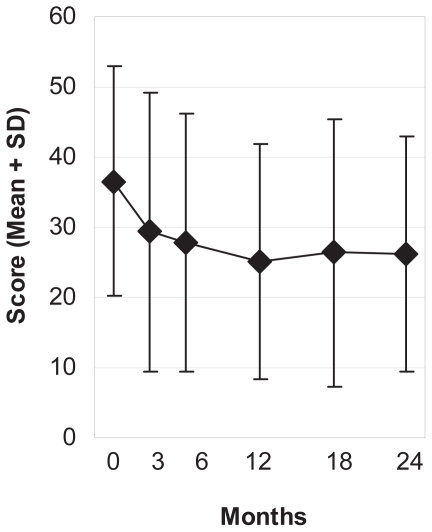
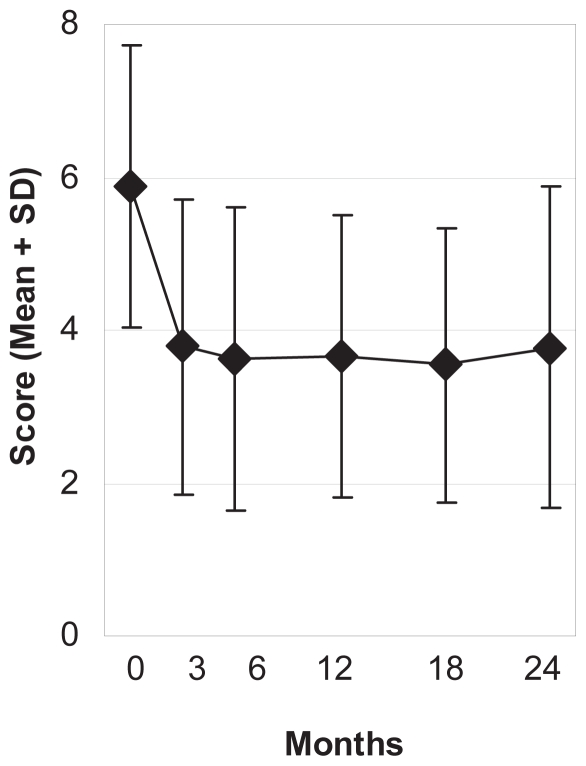
Seventy-five consecutive adult outpatients in Germany, starting anthroposophic treatment for discogenic or non-specific LBP of ≥6 weeks' duration participated in a prospective cohort study. Main outcomes were Hanover Functional Ability Questionnaire (HFAQ; 0-100), LBP Rating Scale Pain Score (LBPRS; 0-100), Symptom Score (0-10), and SF-36 after 24 months.
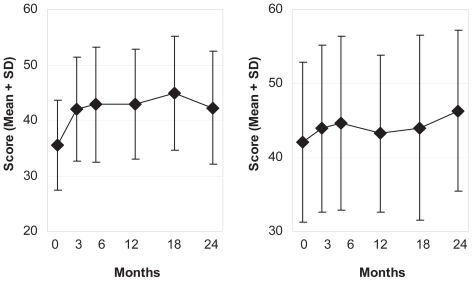
Eighty-five percent of patients were women. Mean age was 49.0 years. From baseline to 24-month follow-up all outcomes improved significantly; average improvements were: HFAQ 11.1 points (95% confidence interval [CI]: 5.5-16.6; p < 0.001), LBPRS 8.7 (95% CI: 4.4-13.0; p < 0.001), Symptom Score 2.0 (95% CI: 1.3-2.8; p < 0.001), SF-36 Physical Component Summary 6.0 (95% CI: 2.9-9.1; p < 0.001), and SF-36 Mental Component Summary 4.0 (95% CI: 1.1-6.8; p = 0.007).
Patients with chronic LBP receiving anthroposophic treatment had sustained improvements of symptoms, back function, and quality of life, suggesting that larger multicenter rigorous studies may be worthwhile.
针对慢性下背痛(LBP)的人智学治疗包括特殊的艺术和物理疗法以及特殊药物。在之前发表的一项前瞻性队列研究中,人智学治疗慢性 LBP 在 12 个月随访时与疼痛、背部功能和生活质量的改善相关。这些改善至少与接受常规护理的对照组的改善相当。我们对接受人智学治疗的患者进行了更大样本量的为期两年的随访分析。
德国的 75 名连续成年门诊患者开始接受人智学治疗,患有持续时间≥6 周的椎间盘源性或非特异性 LBP,参与了一项前瞻性队列研究。主要结局是汉诺威功能能力问卷(HFAQ;0-100)、下背痛评定量表疼痛评分(LBPRS;0-100)、症状评分(0-10)和 SF-36 在 24 个月后的评分。
85%的患者为女性,平均年龄为 49.0 岁。从基线到 24 个月的随访,所有结局均显著改善;平均改善为:HFAQ 11.1 分(95%置信区间 [CI]:5.5-16.6;p < 0.001)、LBPRS 8.7 分(95% CI:4.4-13.0;p < 0.001)、症状评分 2.0 分(95% CI:1.3-2.8;p < 0.001)、SF-36 生理成分综合评分 6.0 分(95% CI:2.9-9.1;p < 0.001)和 SF-36 心理成分综合评分 4.0 分(95% CI:1.1-6.8;p = 0.007)。
接受人智学治疗的慢性 LBP 患者的症状、背部功能和生活质量持续改善,这表明更大规模的多中心严格研究可能是值得的。