Hamre Harald Johan, Kiene Helmut, Glockmann Anja, Ziegler Renatus, Kienle Gunver Sophia
BMC Res Notes. 2013 Jul 13;6:269. doi: 10.1186/1756-0500-6-269.
Anthroposophic treatment includes special artistic and physical therapies and special medications. We here report an update to a previously published study of anthroposophic treatment for chronic diseases, including more patients and a longer follow up. The Anthroposophic Medicine Outcomes Study (AMOS) was a prospective observational cohort study of anthroposophic treatment for chronic indications in routine outpatient settings in Germany. Anthroposophic treatment was associated with improvements of symptoms and quality of life. Previous follow-up-analyses have been performed after 24 months or, in subgroups of patients enrolled in the period 1999-2001, after 48 months. We conducted a 48-month follow-up analysis of all patients enrolled in AMOS in the period 1999-2005.
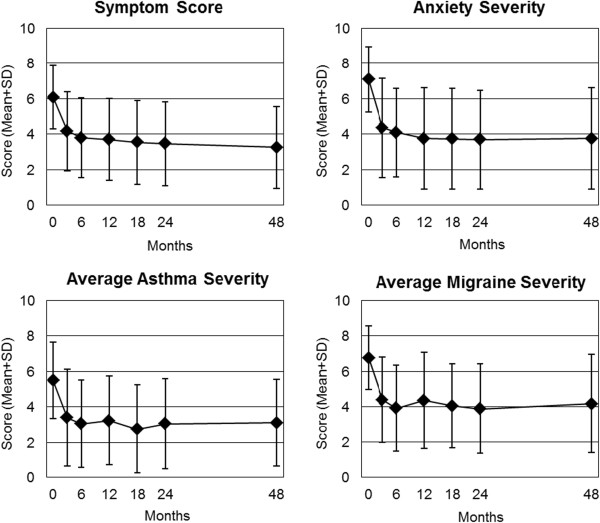
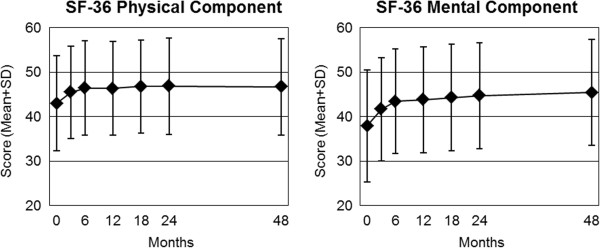
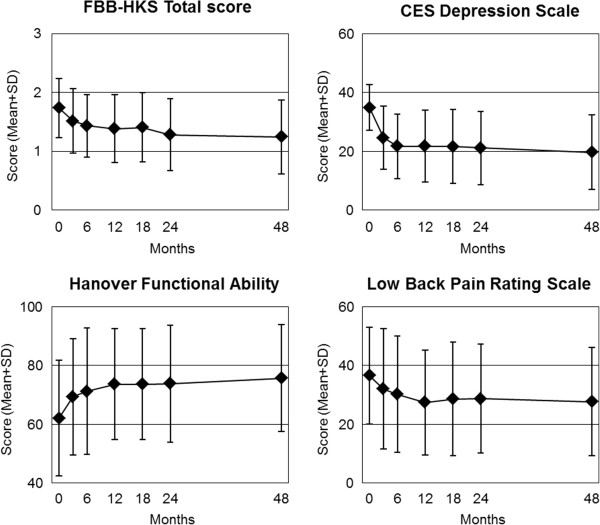
1,510 outpatients aged 1-75 years, starting anthroposophic treatment for chronic conditions in routine German outpatient settings, participated in a prospective cohort study. Main outcomes were Symptom Score (primary outcome, mean symptom severity on numerical rating scales), SF-36 Physical and Mental Component scores in adults, and disease-specific outcomes in the six most common diagnosis groups: asthma, anxiety disorders and migraine (numerical rating scales), depression (Center for Epidemiological Studies Depression Scale), attention deficit hyperactivity symptoms (FBB-HKS Total score), and low back pain (Hanover Functional Ability Questionnaire, Low Back Pain Rating Scale).
Median disease duration at baseline was 3.5 years. From baseline to 48-month follow-up all ten outcomes improved significantly (p < 0.001 for all pre-post comparisons). Standardised Response Mean effect sizes were large (range 0.84-1.24 standard deviations) for seven comparisons, medium for two comparisons (SF-36 Mental Component: 0.60, Low Back Pain Rating Scale: 0.55), and small for one comparison (SF-36 Physical Component: 0.39). Symptom Score improved significantly with large effect sizes in adults and children, and in the four main anthroposophic therapy modality groups (art therapy, eurythmy therapy, rhythmical massage therapy, medical therapy).
This 48-month follow-up analysis confirmed previous analyses from the AMOS study. Outpatients receiving anthroposophic treatment for chronic indications had sustained, clinically relevant improvements of symptoms and quality of life.
人智学疗法包括特殊的艺术和物理疗法以及特殊药物。我们在此报告一项对先前发表的关于人智学疗法治疗慢性病研究的更新,纳入了更多患者并进行了更长时间的随访。人智学医学结果研究(AMOS)是一项前瞻性观察性队列研究,针对德国常规门诊环境中慢性病的人智学疗法。人智学疗法与症状改善和生活质量提高相关。先前的随访分析在24个月后进行,或者对于1999 - 2001年期间入组的患者亚组,在48个月后进行。我们对1999 - 2005年期间AMOS研究中入组的所有患者进行了48个月的随访分析。
1510名年龄在1 - 75岁之间、在德国常规门诊环境中开始接受人智学疗法治疗慢性病的门诊患者参与了一项前瞻性队列研究。主要结局指标包括症状评分(主要结局指标,数字评分量表上的平均症状严重程度)、成人的SF - 36身体和心理成分评分,以及六个最常见诊断组的疾病特异性结局:哮喘、焦虑症和偏头痛(数字评分量表)、抑郁症(流行病学研究中心抑郁量表)、注意力缺陷多动症状(FBB - HKS总分)和腰痛(汉诺威功能能力问卷、腰痛评分量表)。
基线时疾病持续时间的中位数为3.5年。从基线到48个月随访,所有十个结局指标均有显著改善(所有前后比较p < 0.001)。七项比较的标准化反应平均效应量较大(范围为0.84 - 1.24个标准差),两项比较为中等(SF - 36心理成分:0.60,腰痛评分量表:0.55),一项比较为小(SF - 36身体成分:0.39)。症状评分在成人和儿童中以及在四种主要的人智学治疗方式组(艺术治疗、优律司美治疗、韵律按摩治疗、药物治疗)中均有显著改善,效应量较大。
这项48个月的随访分析证实了AMOS研究先前的分析结果。接受人智学疗法治疗慢性病的门诊患者在症状和生活质量方面有持续的、临床相关的改善。