Technische Universität München, Biotechnology of Natural Products, Liesel-Beckmann-Str, 1, D-85354 Freising, Germany.
BMC Biotechnol. 2011 Mar 30;11:30. doi: 10.1186/1472-6750-11-30.
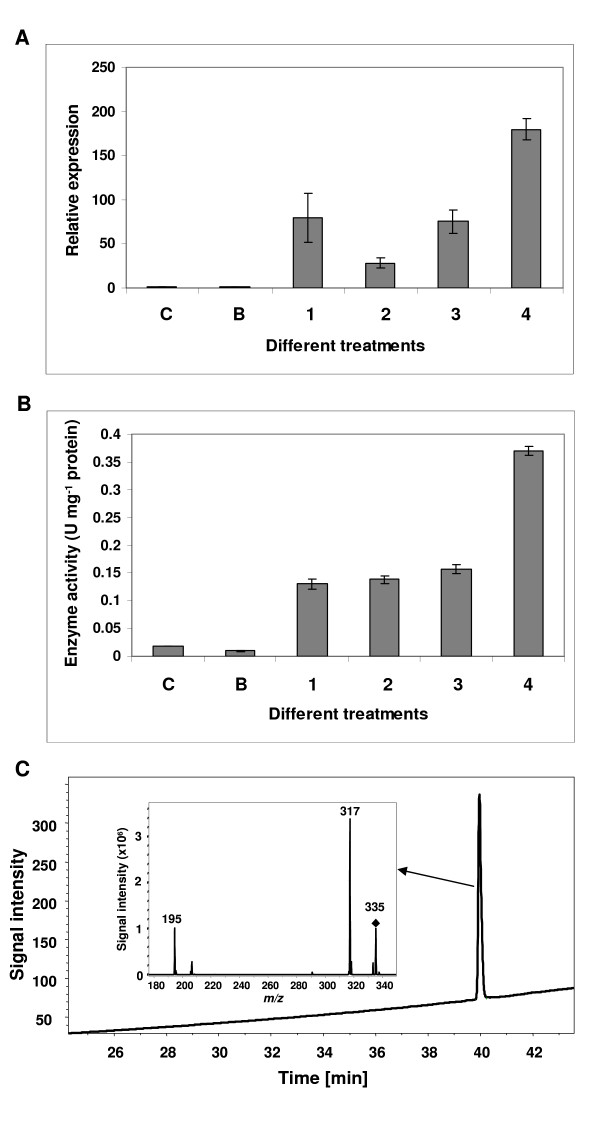
Plant lipoxygenases (LOXs) have been proposed to form biologically active compounds both during normal developmental stages such as germination or growth as well as during responses to environmental stress such as wounding or pathogen attack. In our previous study, we found that enzyme activity of endogenous 9-LOX in Nicotiana benthamiana was highly induced by agroinfiltration using a tobacco mosaic virus (TMV) based vector system.
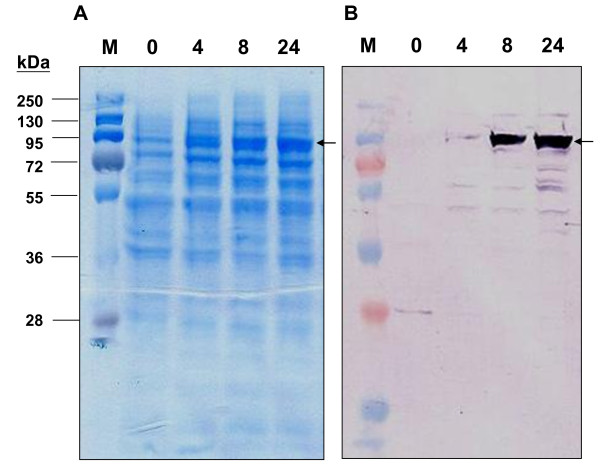
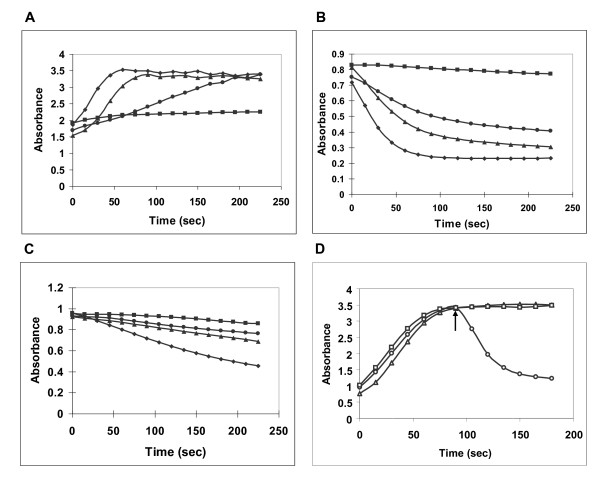
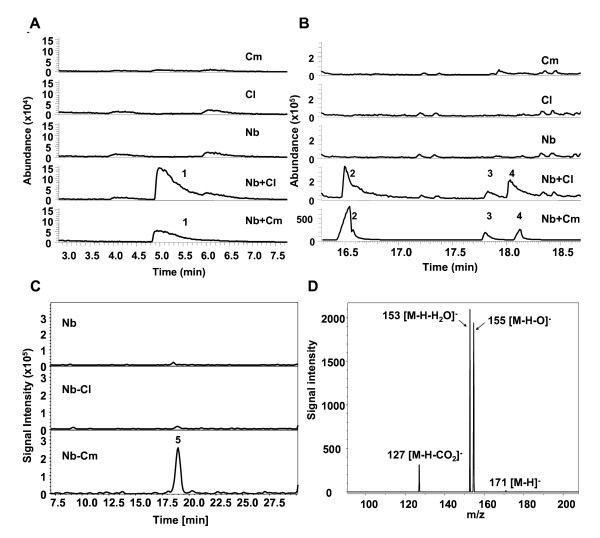
A LOX gene which is expressed after treatment of the viral vectors was isolated from Nicotiana benthamiana. As the encoded LOX has a high amino acid identity to other 9-LOX proteins, the gene was named as Nb-9-LOX. It was heterologously expressed in yeast cells and its enzymatic activity was characterized. The yeast cells expressed large quantities of stable 9-LOX (0.9 U ml(-1) cell cultures) which can oxygenate linoleic acid resulting in high yields (18 μmol ml(-1) cell cultures) of hydroperoxy fatty acid. The product specificity of Nb-9-LOX was examined by incubation of linoleic acid and Nb-9-LOX in combination with a 13-hydroperoxide lyase from watermelon (Cl-13-HPL) or a 9/13-hydroperoxide lyase from melon (Cm-9/13-HPL) and by LC-MS analysis. The result showed that Nb-9-LOX possesses both 9- and 13-LOX specificity, with high predominance for the 9-LOX function. The combination of recombinant Nb-9-LOX and recombinant Cm-9/13-HPL produced large amounts of C9-aldehydes (3.3 μmol mg(-1) crude protein). The yield of C9-aldehydes from linoleic acid was 64%.
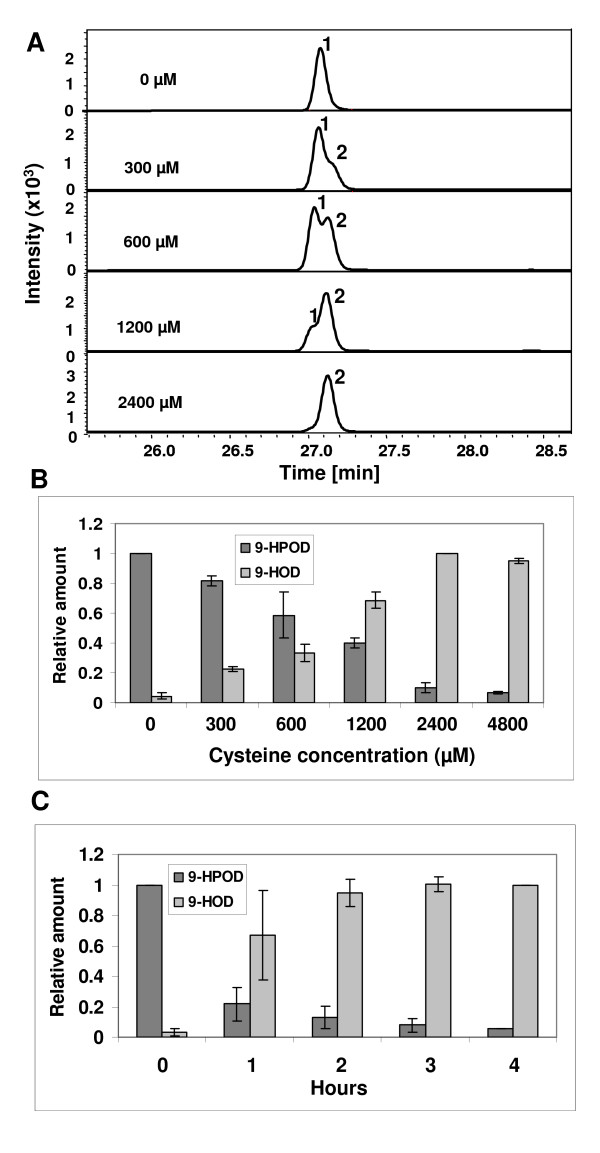
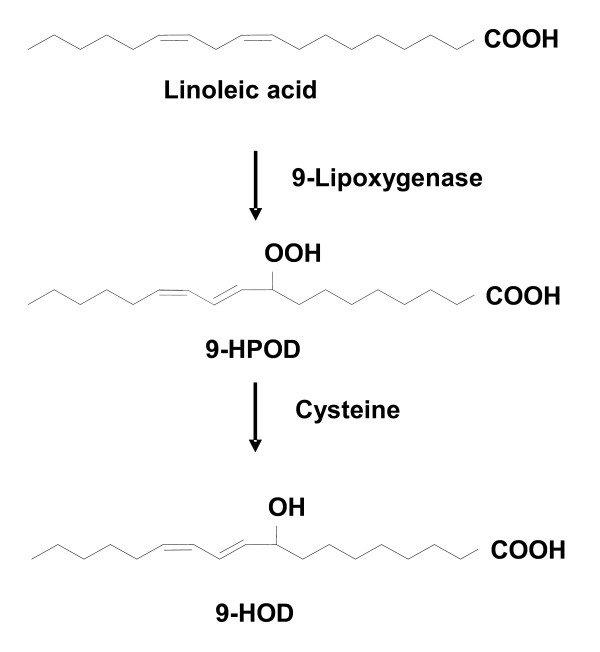
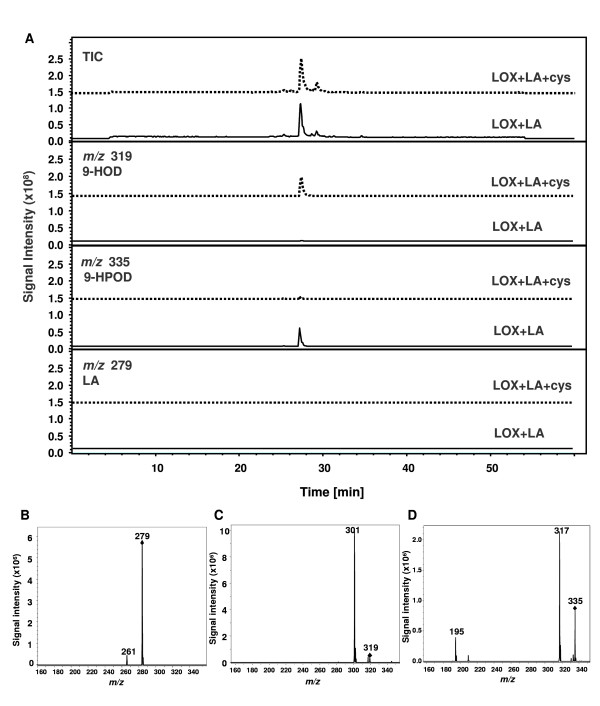
The yeast expressed Nb-9-LOX can be used to produce C9-aldehydes on a large scale in combination with a HPL gene with 9-HPL function, or to effectively produce 9-hydroxy-10(E),12(Z)-octadecadienoic acid in a biocatalytic process in combination with cysteine as a mild reducing agent.
植物脂氧合酶(LOXs)在正常发育阶段(如发芽或生长)以及对环境胁迫(如创伤或病原体攻击)的反应中,被认为可以形成生物活性化合物。在我们之前的研究中,我们发现利用基于烟草花叶病毒(TMV)的载体系统进行农杆菌浸润后,Nicotiana benthamiana 内源 9-LOX 的酶活性被高度诱导。
从 Nicotiana benthamiana 中分离出一种在处理病毒载体后表达的 LOX 基因。由于该编码的 LOX 与其他 9-LOX 蛋白具有很高的氨基酸同一性,因此该基因被命名为 Nb-9-LOX。它在酵母细胞中异源表达,并对其酶活性进行了表征。酵母细胞表达了大量稳定的 9-LOX(0.9 U ml(-1)细胞培养物),可以将亚油酸氧化生成高产量(18 μmol ml(-1)细胞培养物)的氢过氧脂肪酸。通过将亚油酸与 Nb-9-LOX 一起孵育,并结合西瓜的 13-氢过氧化物裂解酶(Cl-13-HPL)或甜瓜的 9/13-氢过氧化物裂解酶(Cm-9/13-HPL)进行 LC-MS 分析,检测了 Nb-9-LOX 的产物特异性。结果表明,Nb-9-LOX 具有 9-和 13-LOX 特异性,9-LOX 功能占主导地位。重组 Nb-9-LOX 与重组 Cm-9/13-HPL 组合可大量产生 C9-醛(3.3 μmol mg(-1)粗蛋白)。从亚油酸生成 C9-醛的产率为 64%。
酵母表达的 Nb-9-LOX 可与具有 9-HPL 功能的 HPL 基因结合,大规模生产 C9-醛,或与半胱氨酸作为温和还原剂一起在生物催化过程中有效生产 9-羟基-10(E),12(Z)-十八碳二烯酸。