Department of Biomedical Engineering, Washington University, St Louis, MO, USA.
J Neural Eng. 2011 Jun;8(3):036018. doi: 10.1088/1741-2560/8/3/036018. Epub 2011 May 5.
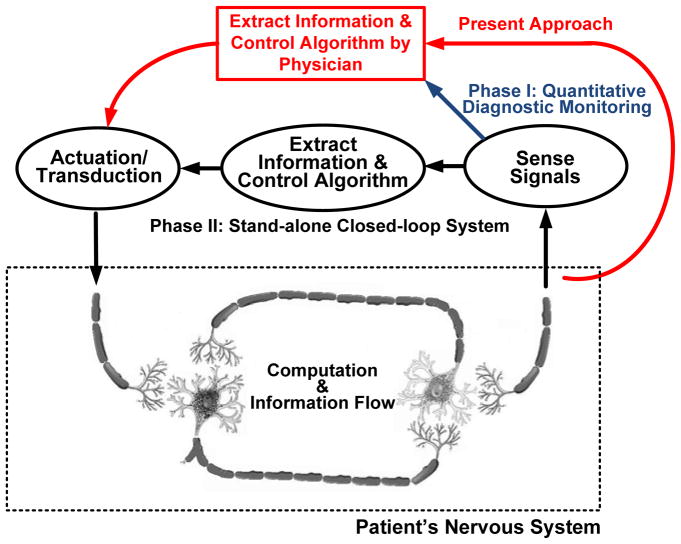
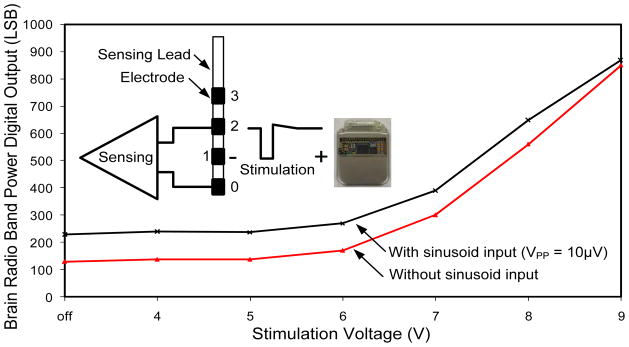
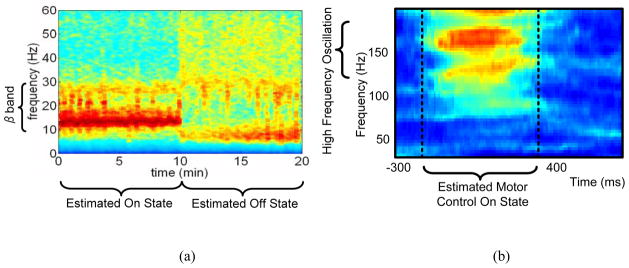
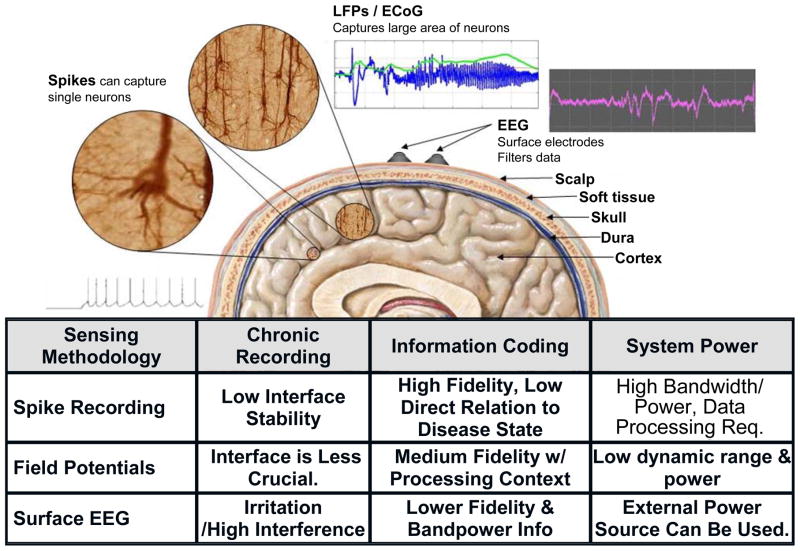
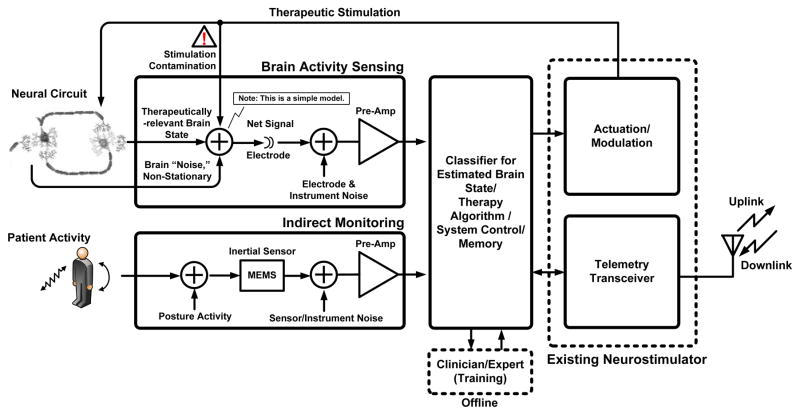
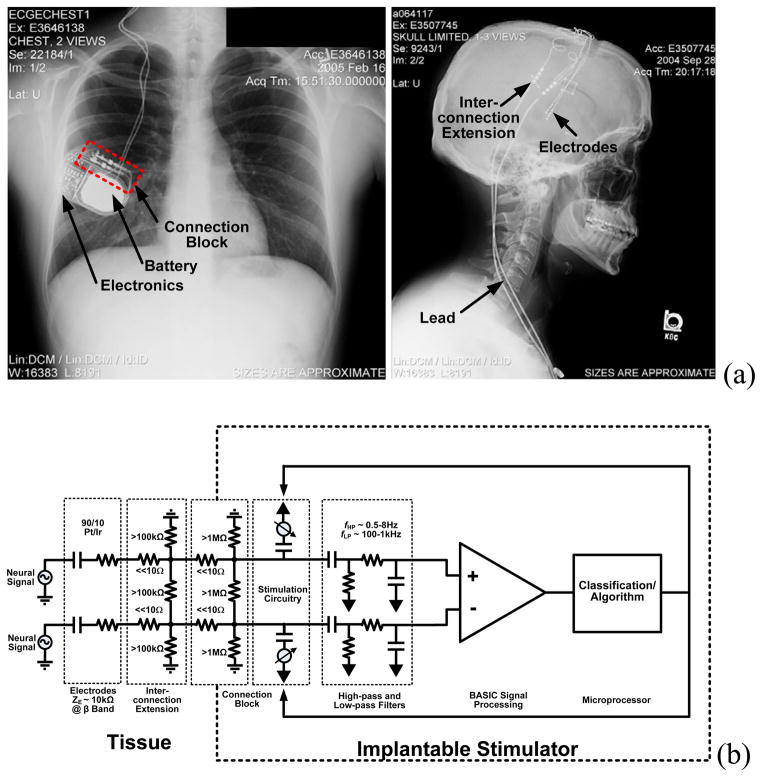
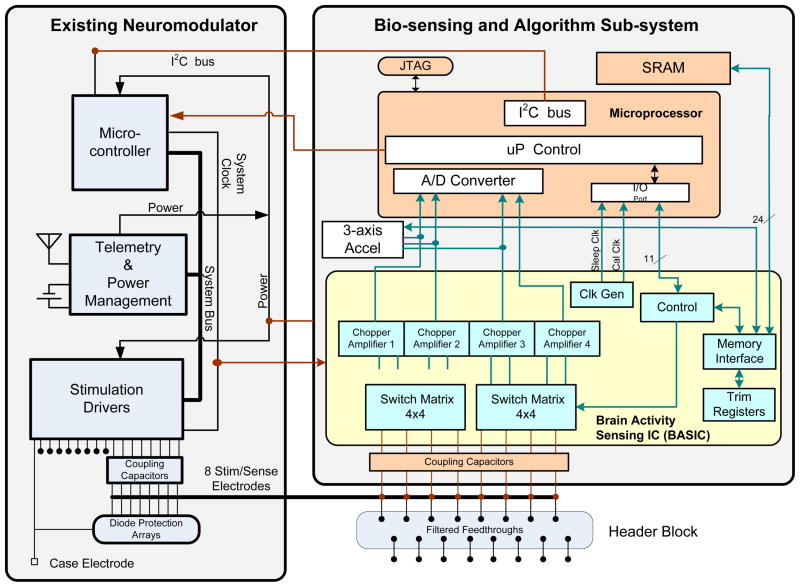
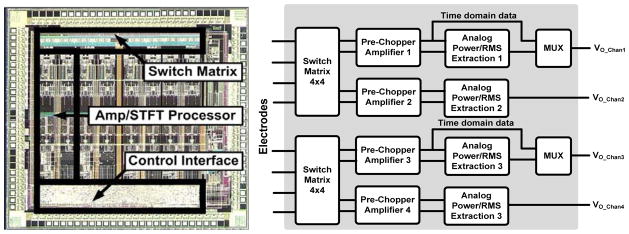
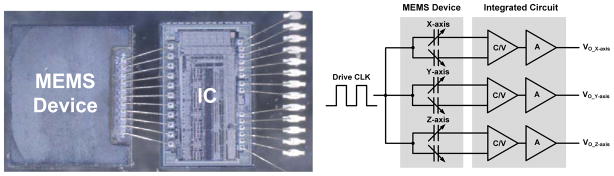
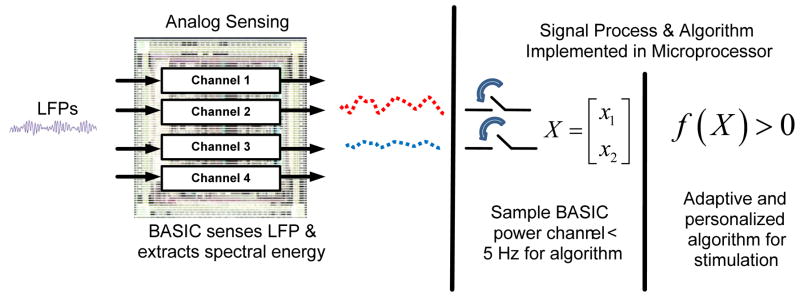
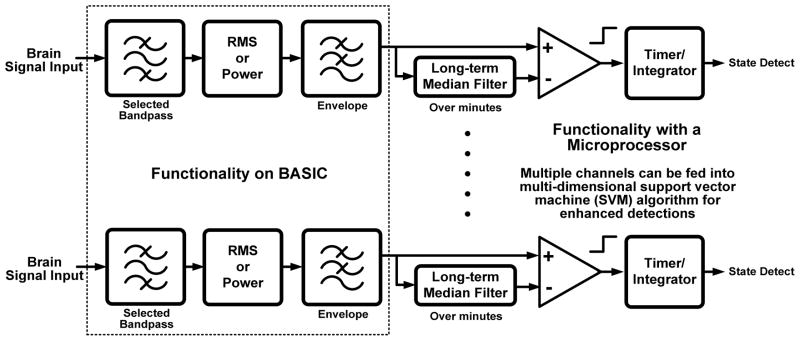
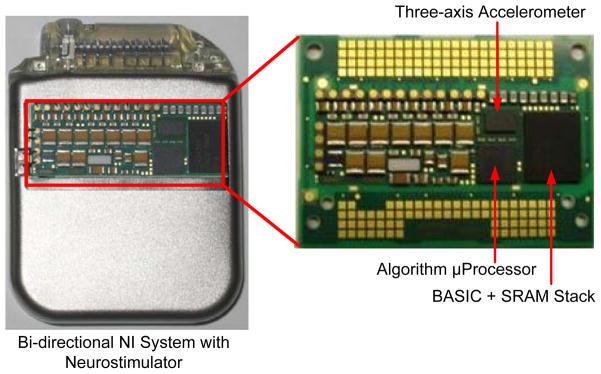
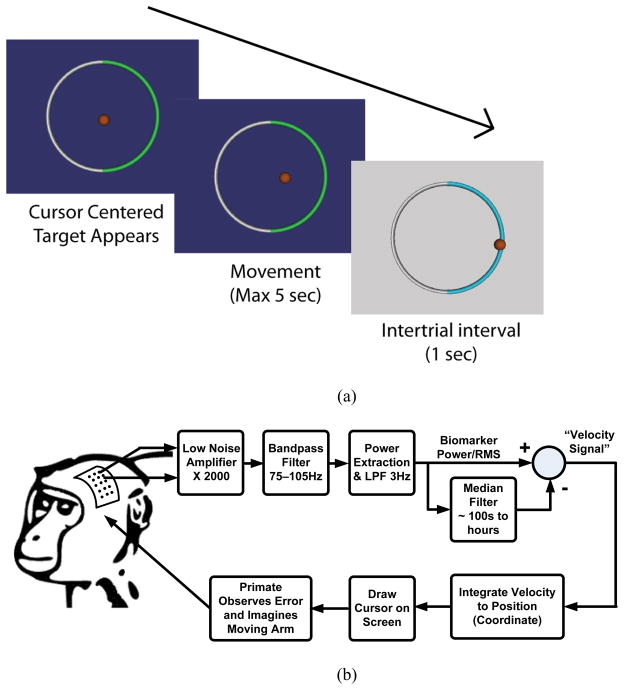
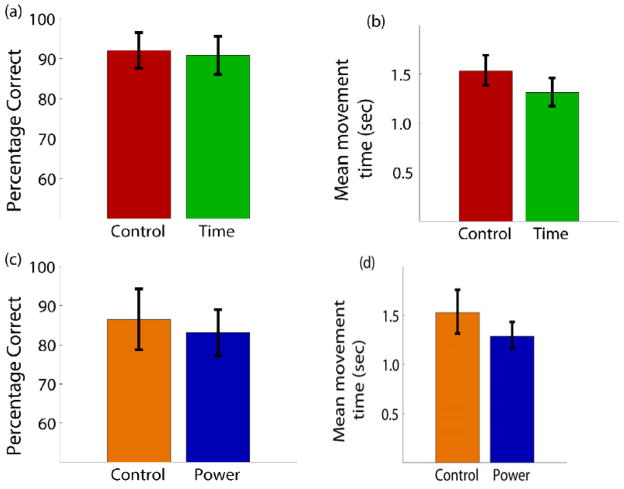
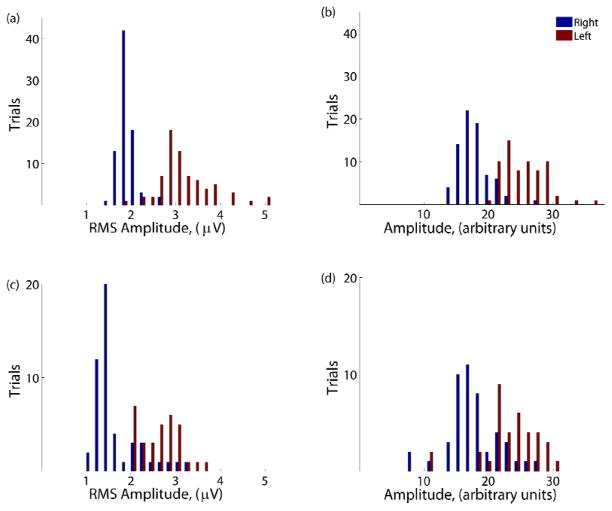
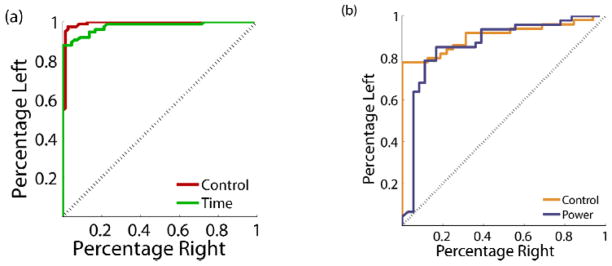
A bi-directional neural interface (NI) system was designed and prototyped by incorporating a novel neural recording and processing subsystem into a commercial neural stimulator architecture. The NI system prototype leverages the system infrastructure from an existing neurostimulator to ensure reliable operation in a chronic implantation environment. In addition to providing predicate therapy capabilities, the device adds key elements to facilitate chronic research, such as four channels of electrocortigram/local field potential amplification and spectral analysis, a three-axis accelerometer, algorithm processing, event-based data logging, and wireless telemetry for data uploads and algorithm/configuration updates. The custom-integrated micropower sensor and interface circuits facilitate extended operation in a power-limited device. The prototype underwent significant verification testing to ensure reliability, and meets the requirements for a class CF instrument per IEC-60601 protocols. The ability of the device system to process and aid in classifying brain states was preclinically validated using an in vivo non-human primate model for brain control of a computer cursor (i.e. brain-machine interface or BMI). The primate BMI model was chosen for its ability to quantitatively measure signal decoding performance from brain activity that is similar in both amplitude and spectral content to other biomarkers used to detect disease states (e.g. Parkinson's disease). A key goal of this research prototype is to help broaden the clinical scope and acceptance of NI techniques, particularly real-time brain state detection. These techniques have the potential to be generalized beyond motor prosthesis, and are being explored for unmet needs in other neurological conditions such as movement disorders, stroke and epilepsy.
双向神经接口(NI)系统通过将新型神经记录和处理子系统集成到商业神经刺激器架构中进行设计和原型设计。NI 系统原型利用现有神经刺激器的系统基础设施,确保在慢性植入环境中的可靠运行。除了提供预测治疗能力外,该设备还增加了关键元素,以促进慢性研究,例如四个通道的脑电/局部场电位放大和频谱分析、三轴加速度计、算法处理、基于事件的数据记录以及用于数据上传和算法/配置更新的无线遥测。定制集成的微功率传感器和接口电路便于在功率受限的设备中进行扩展操作。该原型经过了大量的验证测试,以确保可靠性,并符合 IEC-60601 协议中 CF 类仪器的要求。该设备系统处理和辅助分类脑状态的能力通过使用非人类灵长类动物模型进行了临床前验证,该模型用于控制计算机光标(即脑机接口或 BMI)的大脑。选择灵长类动物 BMI 模型是因为它能够定量测量来自大脑活动的信号解码性能,这些大脑活动在幅度和频谱内容上与用于检测疾病状态的其他生物标志物相似(例如帕金森病)。该研究原型的一个关键目标是帮助拓宽 NI 技术的临床范围和接受度,特别是实时脑状态检测。这些技术有可能超越运动假肢,并且正在探索用于其他神经疾病(如运动障碍、中风和癫痫)的未满足需求。