Institute of Evolutionary Biology and Environmental Studies, University of Zürich, Building Y27, Winterthurerstrasse 190, CH-8057 Zürich, Switzerland.
BMC Evol Biol. 2011 May 19;11:130. doi: 10.1186/1471-2148-11-130.
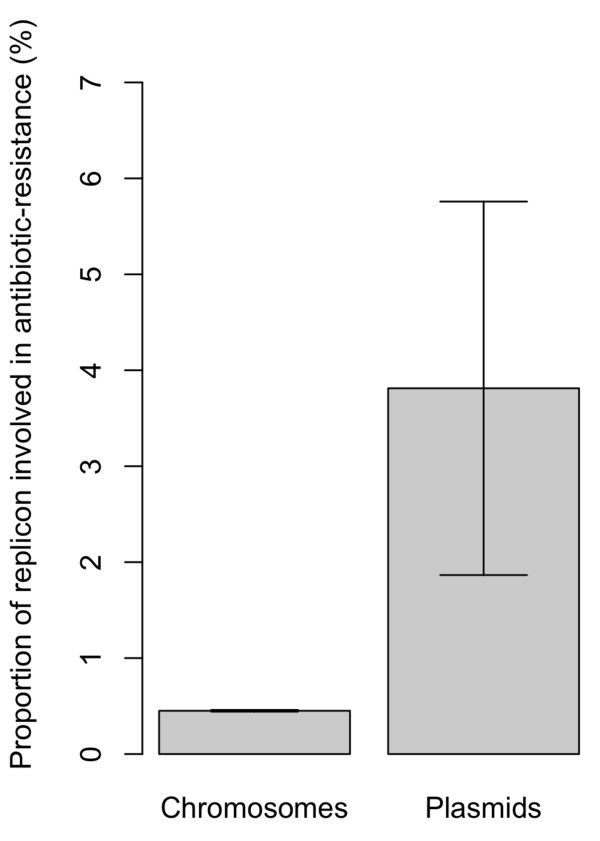
Antibiotic resistance represents a significant public health problem. When resistance genes are mobile, being carried on plasmids or phages, their spread can be greatly accelerated. Plasmids in particular have been implicated in the spread of antibiotic resistance genes. However, the selective pressures which favour plasmid-carried resistance genes have not been fully established. Here we address this issue with mathematical models of plasmid dynamics in response to different antibiotic treatment regimes.
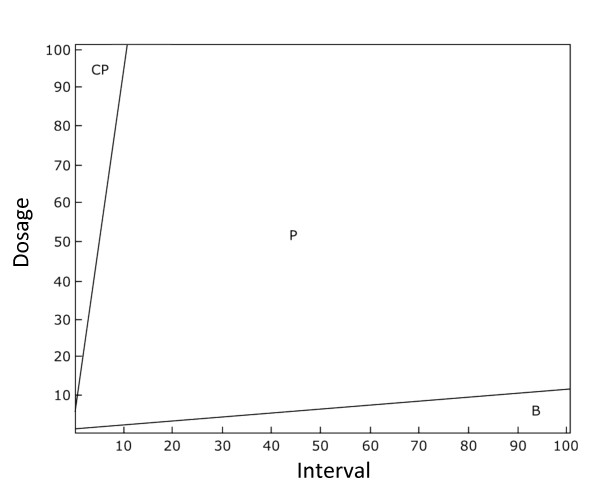
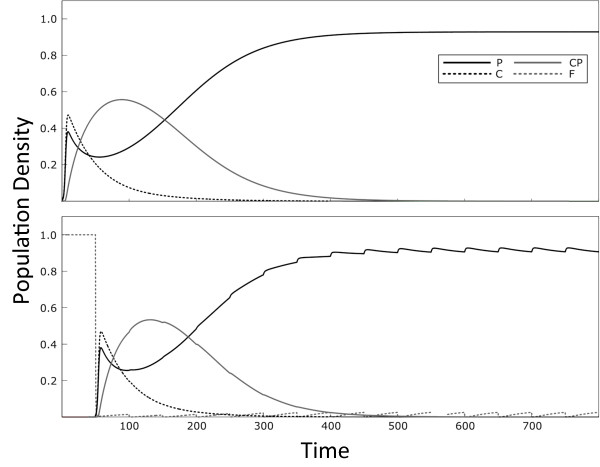
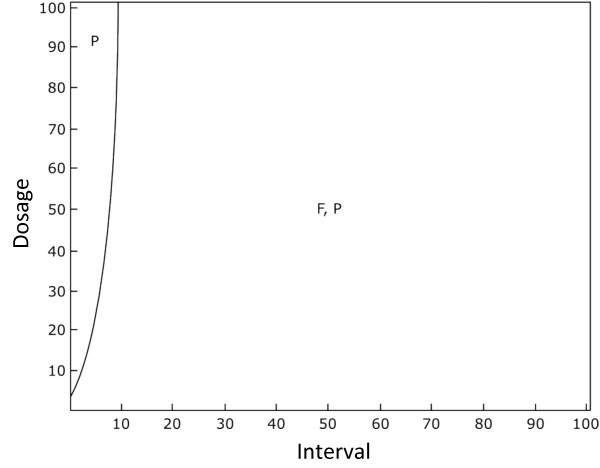
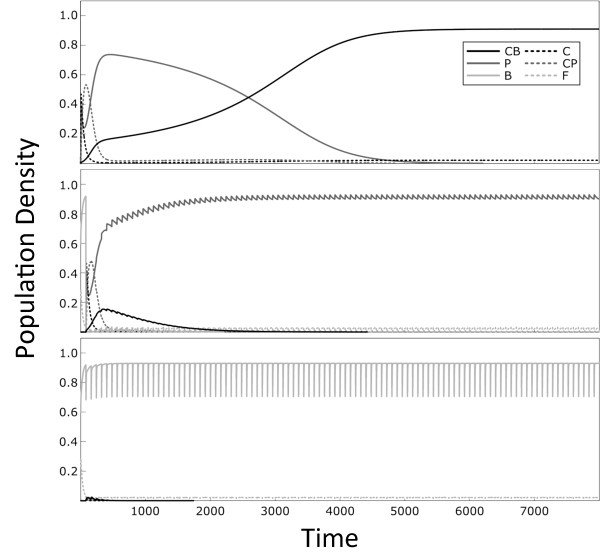
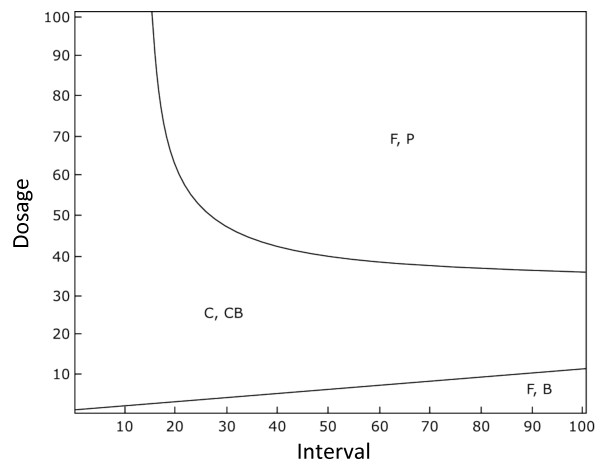
We show that transmission of plasmids is a key factor influencing plasmid-borne antibiotic resistance, but the dosage and interval between treatments is also important. Our results also hold when plasmids carrying the resistance gene are in competition with other plasmids that do not carry the resistance gene. By altering the interval between antibiotic treatments, and the dosage of antibiotic, we show that different treatment regimes can select for either plasmid-carried, or chromosome-carried, resistance.
Our research addresses the effect of environmental variation on the evolution of plasmid-carried antibiotic resistance.
抗生素耐药性是一个重大的公共卫生问题。当耐药基因可移动,存在于质粒或噬菌体上时,它们的传播速度会大大加快。质粒尤其与抗生素耐药基因的传播有关。然而,有利于携带质粒的耐药基因的选择压力尚未完全确定。在这里,我们用质粒动力学的数学模型来解决这个问题,这些模型对不同的抗生素治疗方案做出了响应。
我们表明,质粒的传播是影响质粒携带抗生素耐药性的关键因素,但抗生素的剂量和治疗间隔也是重要因素。当携带耐药基因的质粒与不携带耐药基因的其他质粒竞争时,我们的结果仍然成立。通过改变抗生素治疗的间隔和抗生素的剂量,我们表明,不同的治疗方案可以选择携带质粒的耐药性或染色体携带的耐药性。
我们的研究解决了环境变化对质粒携带抗生素耐药性进化的影响。