Biochemistry Department, Science College, King Saud University, P,O box 22452, zip code 11495, Riydh, Saudi Arabia.
Lipids Health Dis. 2011 Aug 19;10:142. doi: 10.1186/1476-511X-10-142.
The investigation of the environmental contribution for developmental neurotoxicity is very important. Many environmental chemical exposures are now thought to contribute to the development of neurological disorders, especially in children. Results from animal studies may guide investigations of human populations toward identifying environmental contaminants and drugs that produce or protect from neurotoxicity and may help in the treatment of neurodevelopmental disorders.
To study the protective effects of omega-3 polyunsaturated fatty acid on brain intoxication induced by propionic acid (PPA) in rats.
24 young male Western Albino rats were enrolled in the present study. They were grouped into three equal groups; oral buffered PPA-treated group given a nuerotoxic dose of 250 mg/Kg body weight/day for 3 days; omega-3 - protected group given a dose of 100 mg/kg body weight/day omega-3 orally daily for 5 days followed by PPA for 3 days, and a third group as control given only phosphate buffered saline. Tumor necrosis factor-α, caspase-3, interlukin-6, gamma amino-buteric acid (GABA), serotonin, dopamine and phospholipids were then assayed in the rats brain's tissue of different groups.
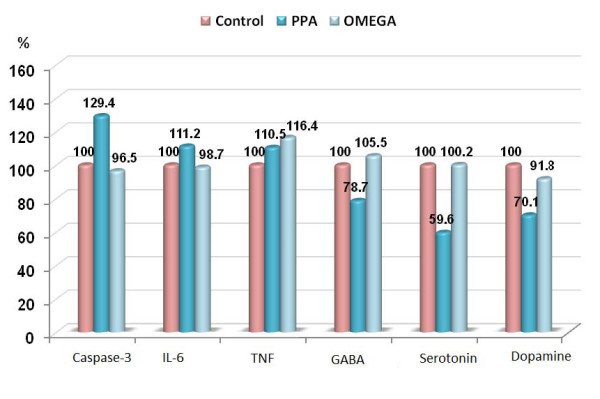
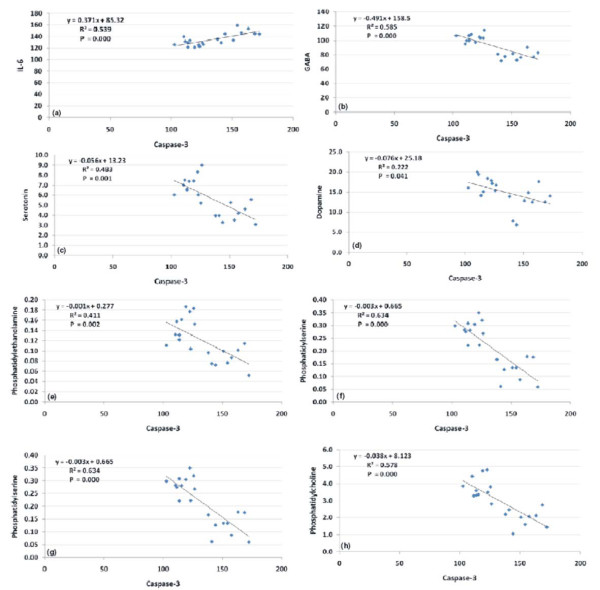
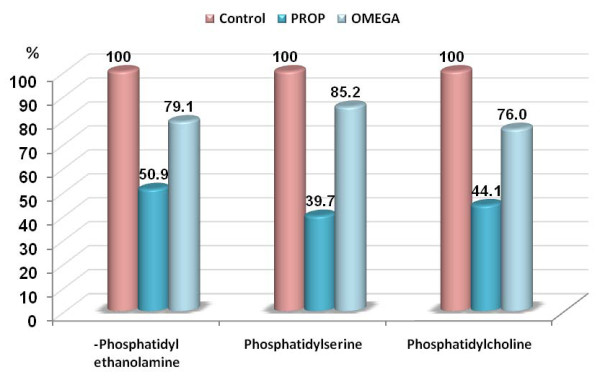
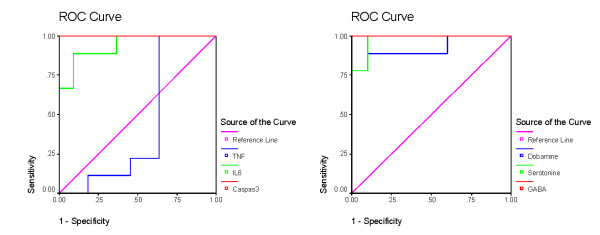
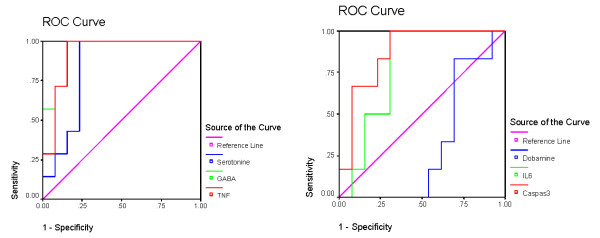
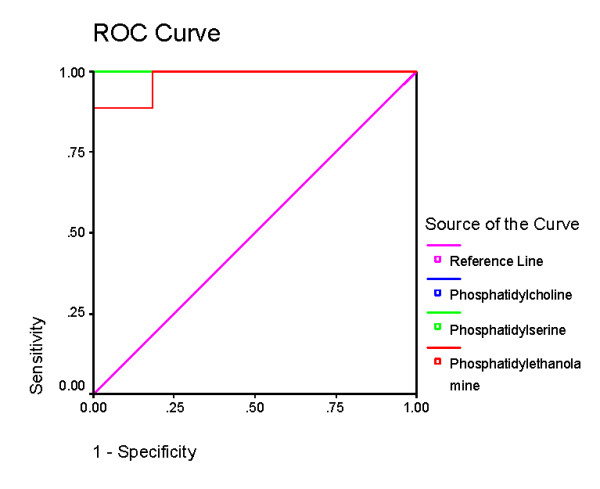
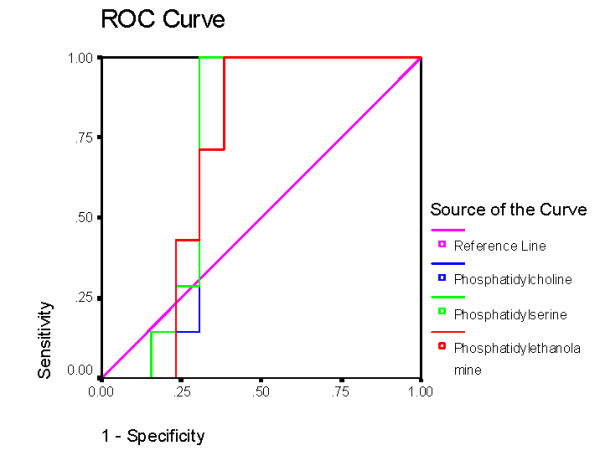
The obtained data showed that PPA caused multiple signs of brain toxicity as measured by depletion of gamaaminobyteric acid (GABA), serotonin (5HT) and dopamine (DA) as three important neurotransmitters that reflect brain function. A high significant increase of interlukin-6 (Il-6), tumor necrosis factor-α (TNF-α) as excellent markers of proinflammation and caspase-3 as a proapotic marker were remarkably elevated in the intoxicated group of rats. Moreover, brain phospholipid profile was impaired in PPA-treated young rats recording lower levels of phosphatidylethanolamine (PE), phosphatidylserine (PS) and phosphatidylcholine (PC).
Omega-3 fatty acids showed a protective effects on PPA - induced changes in rats as there was a remarkable amelioration of most of the measured parameters (i.e. higher GABA, 5HT, DA, PE, PS and PC) and lower Il-6, TNF-α and caspase-3.
研究环境因素对发育神经毒性的影响非常重要。许多环境化学物质暴露现在被认为会导致神经发育障碍,尤其是在儿童中。动物研究的结果可以指导对人类群体的调查,以确定产生或预防神经毒性的环境污染物和药物,并有助于治疗神经发育障碍。
研究ω-3 多不饱和脂肪酸对丙酸(PPA)诱导的大鼠脑中毒的保护作用。
本研究纳入 24 只雄性 Western Albino 大鼠,随机分为三组:口服缓冲 PPA 处理组,给予神经毒性剂量 250mg/Kg 体重/天,连续 3 天;ω-3 保护组,每天给予 100mg/kg 体重的 ω-3 口服,连续 5 天,然后给予 PPA 3 天;第三组为对照组,仅给予磷酸盐缓冲液。然后测定不同组大鼠脑组织中的肿瘤坏死因子-α、半胱氨酸天冬氨酸蛋白酶-3、白细胞介素-6、γ 氨基丁酸(GABA)、血清素、多巴胺和磷脂。
研究结果表明,PPA 导致了多种脑毒性迹象,如 GABA(三种重要的神经递质之一,反映大脑功能)、血清素(5HT)和多巴胺(DA)的耗竭。在中毒组大鼠中,白细胞介素-6(IL-6)、肿瘤坏死因子-α(TNF-α)作为炎症前的良好标志物和半胱氨酸天冬氨酸蛋白酶-3(caspase-3)作为促凋亡标志物显著升高。此外,PPA 处理的年轻大鼠的脑磷脂谱受损,记录到磷脂酰乙醇胺(PE)、磷脂酰丝氨酸(PS)和磷脂酰胆碱(PC)水平降低。
ω-3 脂肪酸对 PPA 诱导的大鼠变化具有保护作用,因为大多数测量参数(即更高的 GABA、5HT、DA、PE、PS 和 PC)得到显著改善,而白细胞介素-6、肿瘤坏死因子-α和半胱氨酸天冬氨酸蛋白酶-3 水平降低。