School of Chinese Pharmaceutical Sciences and Chinese Medicine Resources, College of Pharmacy, China Medical University, Taichung 404, Taiwan.
Evid Based Complement Alternat Med. 2012;2012:480714. doi: 10.1155/2012/480714. Epub 2011 Oct 15.
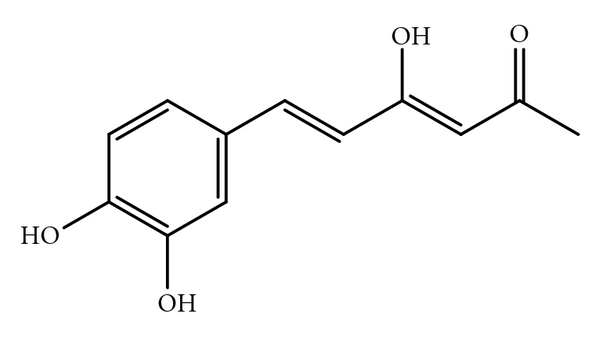
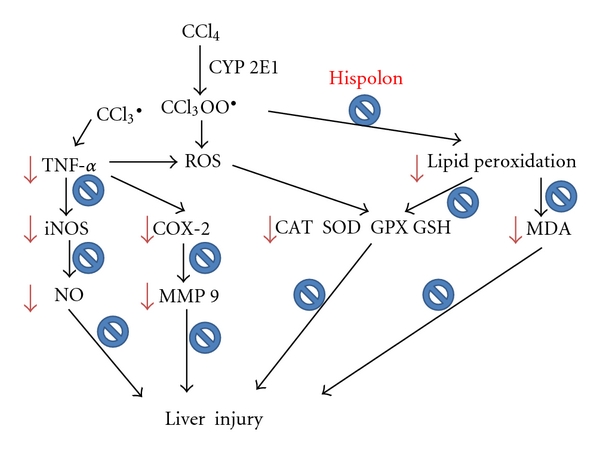
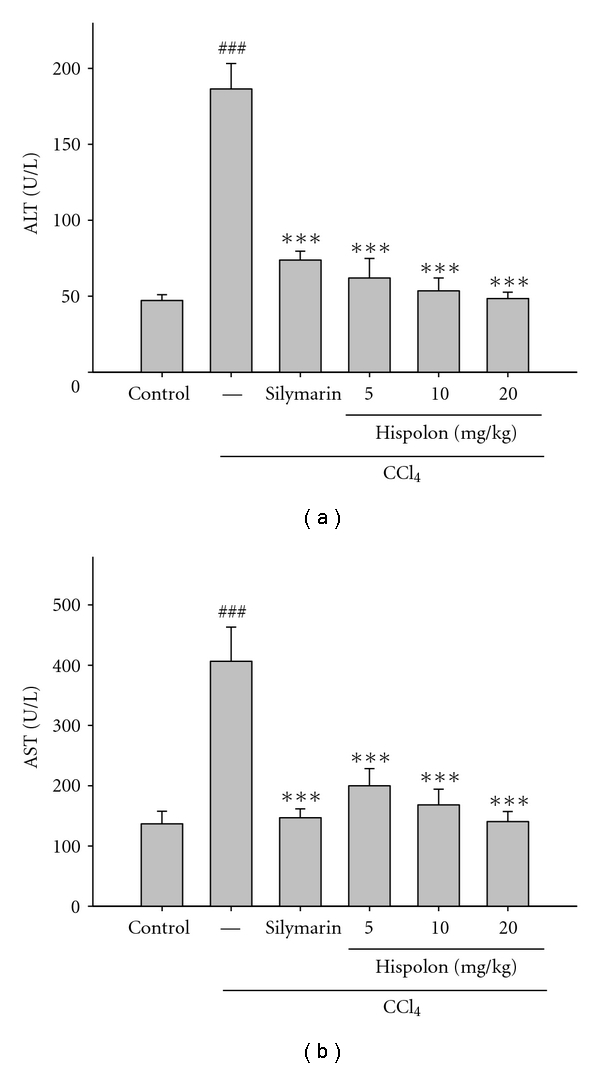
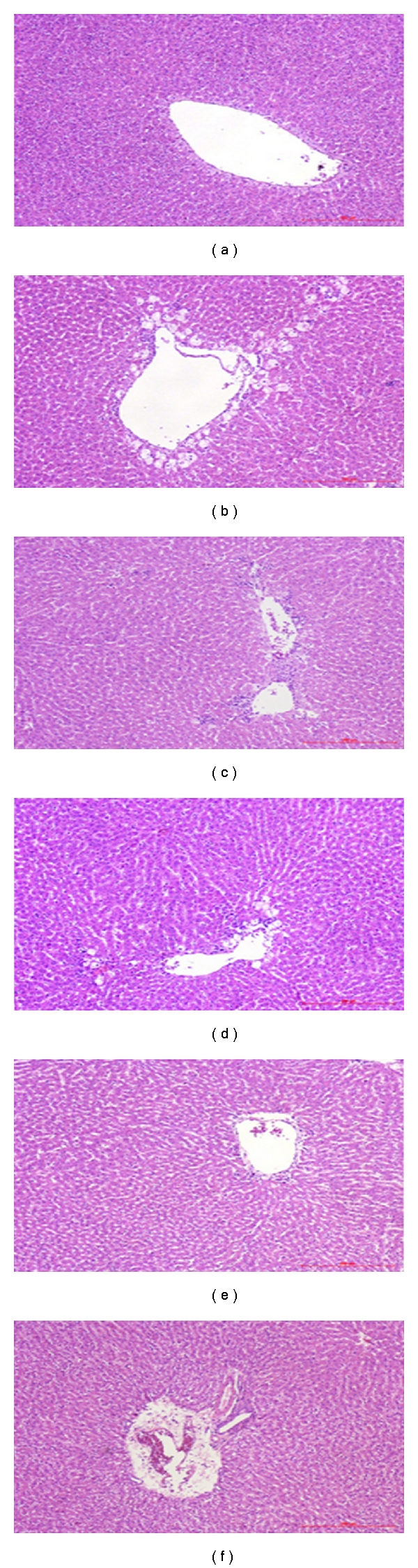
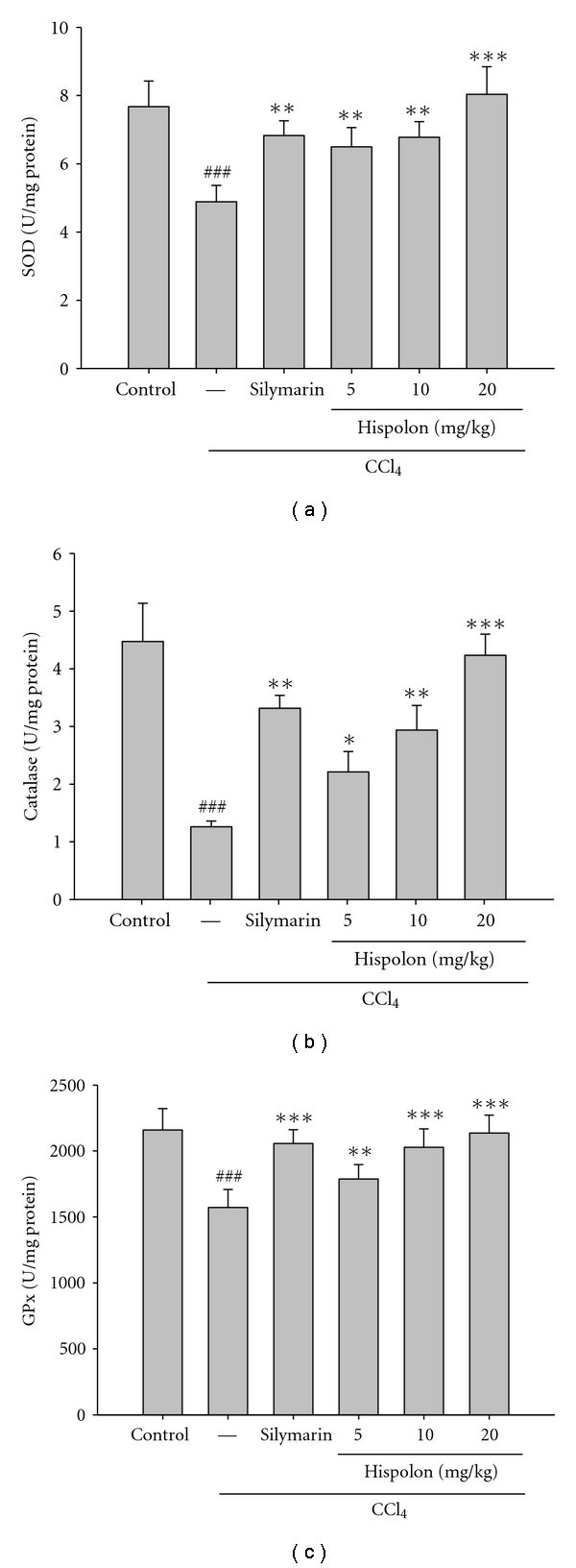
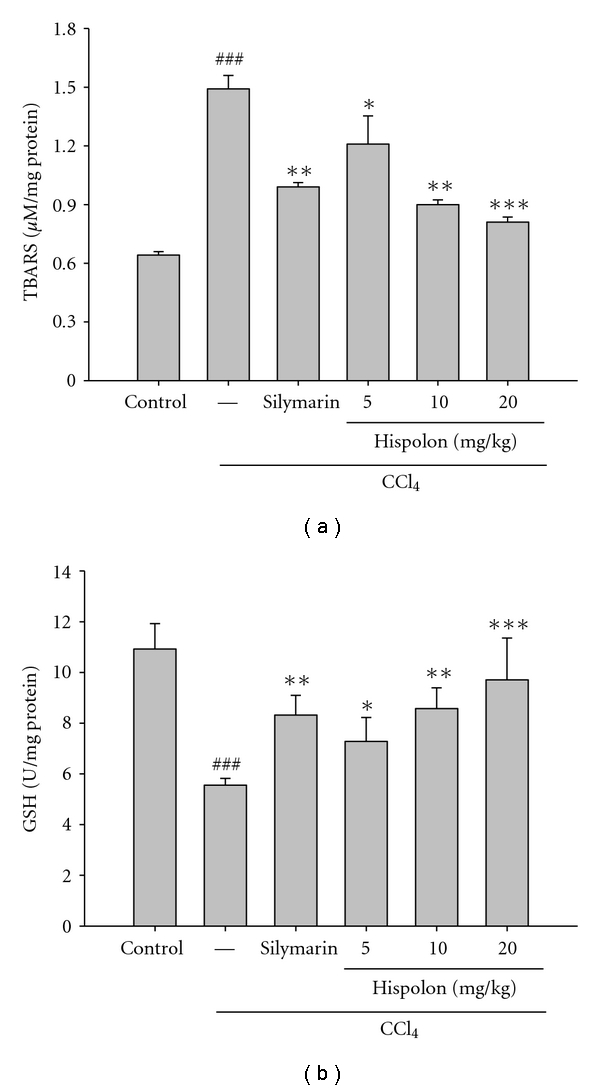
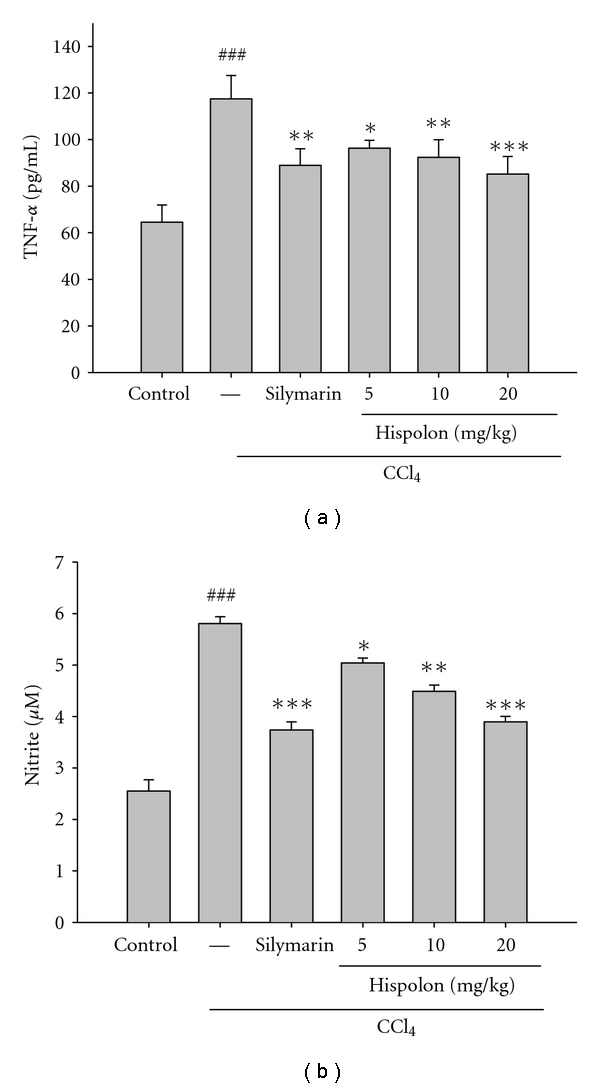
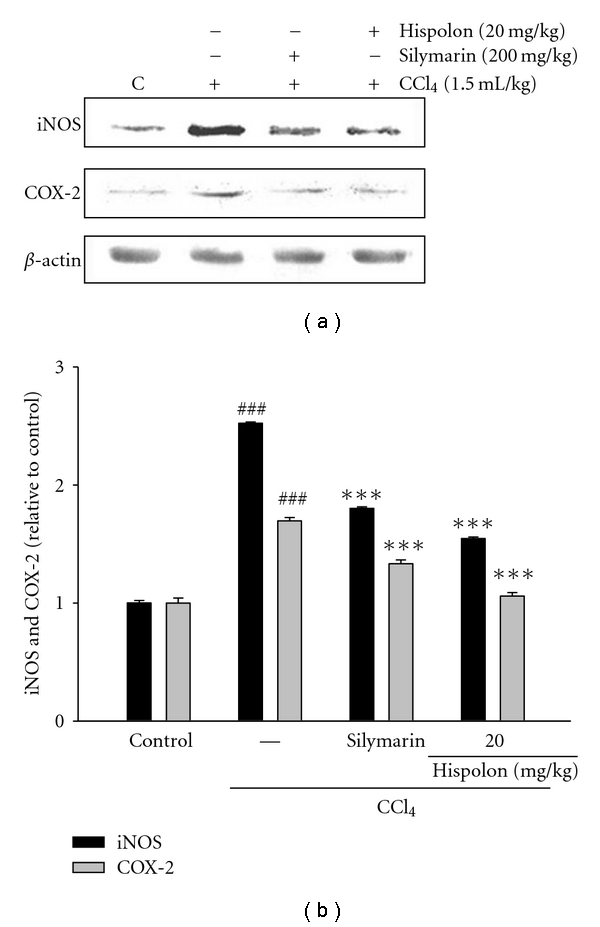
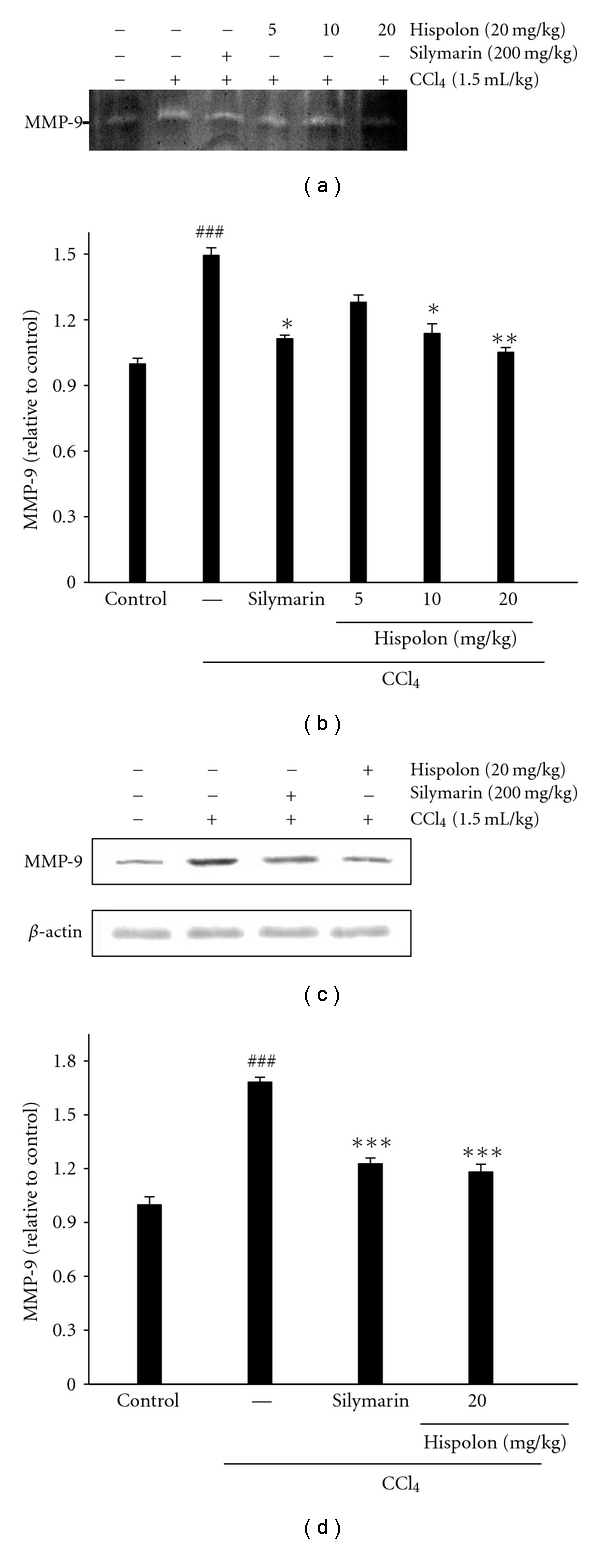
The hepatoprotective potential of hispolon against carbon tetrachloride (CCl(4))-induced liver damage was evaluated in preventive models in rats. Male rats were intraperitoneally treated with hispolon or silymarin once daily for 7 consecutive days. One hour after the final hispolon or silymarin treatment, the rats were injected with CCl(4). Administration with hispolon or silymarin significantly decreased the alanine aminotransferase (ALT) and aspartate aminotransferase (AST) levels in serum and increased the activities of superoxide dismutase (SOD), catalase, glutathione peroxidase (GPx), and glutathione (GSH) content and decreased the malondialdehyde (MDA) content in liver compared with CCl(4)-treated group. Liver histopathology also showed that hispolon reduced the incidence of liver lesions induced by CCl(4). In addition, hispolon decreased nitric oxide (NO) production and tumor necrosis factor (TNF-α), inducible NO synthase (iNOS) and cyclooxygenase-2 (COX-2) activation in CCl(4)-treated rats. We also examined the involvement of matrix metalloproteinase (MMP)-9 in the development of CCl(4)-induced liver damage in rats. Hispolon inhibited the expression of MMP-9 protein, indicating that MMP-9 played an important role in the development of CCl(4)-induced rat liver damage. Therefore, we speculate that hispolon protects rats from liver damage through their prophylactic redox balancing ability and anti-inflammation capacity.
姜黄素对四氯化碳(CCl(4))诱导的肝损伤的肝保护作用在大鼠预防模型中进行了评估。雄性大鼠每天腹膜内给予姜黄素或水飞蓟宾一次,连续 7 天。最后一次姜黄素或水飞蓟宾处理 1 小时后,大鼠注射 CCl(4)。与 CCl(4)处理组相比,给予姜黄素或水飞蓟宾可显著降低血清丙氨酸氨基转移酶(ALT)和天冬氨酸氨基转移酶(AST)水平,增加超氧化物歧化酶(SOD)、过氧化氢酶、谷胱甘肽过氧化物酶(GPx)和谷胱甘肽(GSH)的活性,降低肝脏丙二醛(MDA)含量。肝组织病理学也表明姜黄素减少了 CCl(4)诱导的肝损伤的发生率。此外,姜黄素降低了 CCl(4)处理大鼠中一氧化氮(NO)的产生以及肿瘤坏死因子(TNF-α)、诱导型一氧化氮合酶(iNOS)和环氧化酶-2(COX-2)的激活。我们还研究了基质金属蛋白酶(MMP)-9 在 CCl(4)诱导的大鼠肝损伤发展中的作用。姜黄素抑制了 MMP-9 蛋白的表达,表明 MMP-9 在 CCl(4)诱导的大鼠肝损伤发展中起重要作用。因此,我们推测姜黄素通过其预防氧化还原平衡能力和抗炎能力来保护大鼠免受肝损伤。