Molecular Oncology Research Institute, Tufts Medical Center, Boston, MA 02111, USA.
Oncogene. 2012 Jun 21;31(25):3039-50. doi: 10.1038/onc.2011.474. Epub 2011 Oct 24.
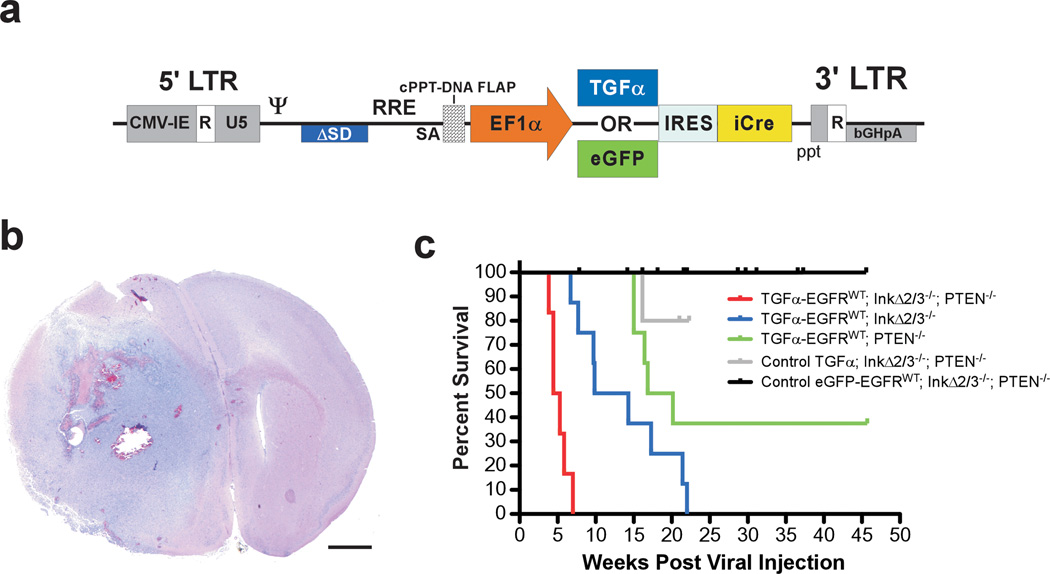
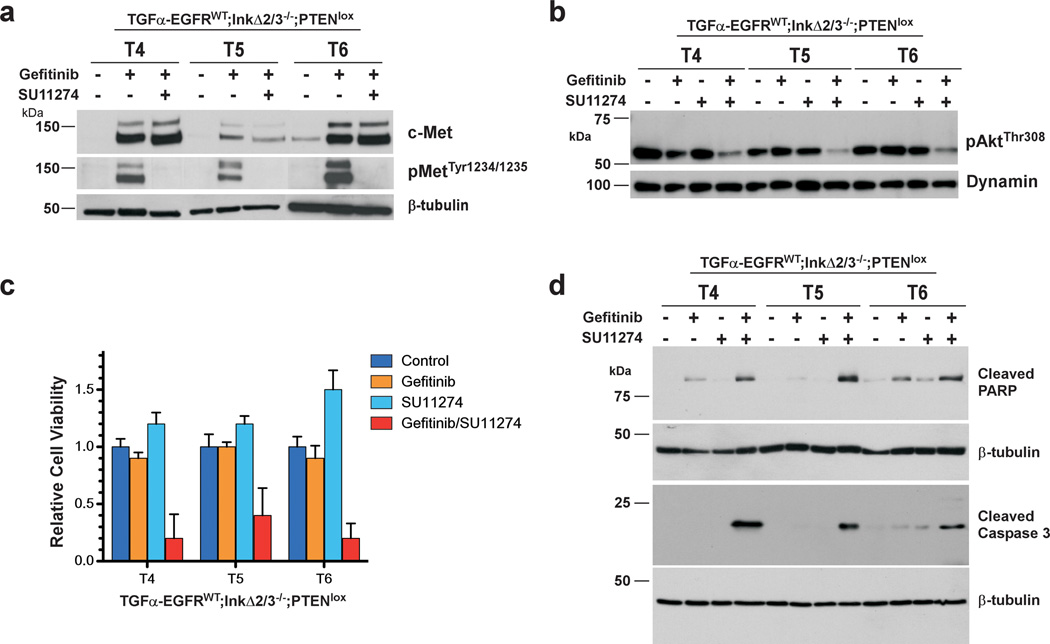
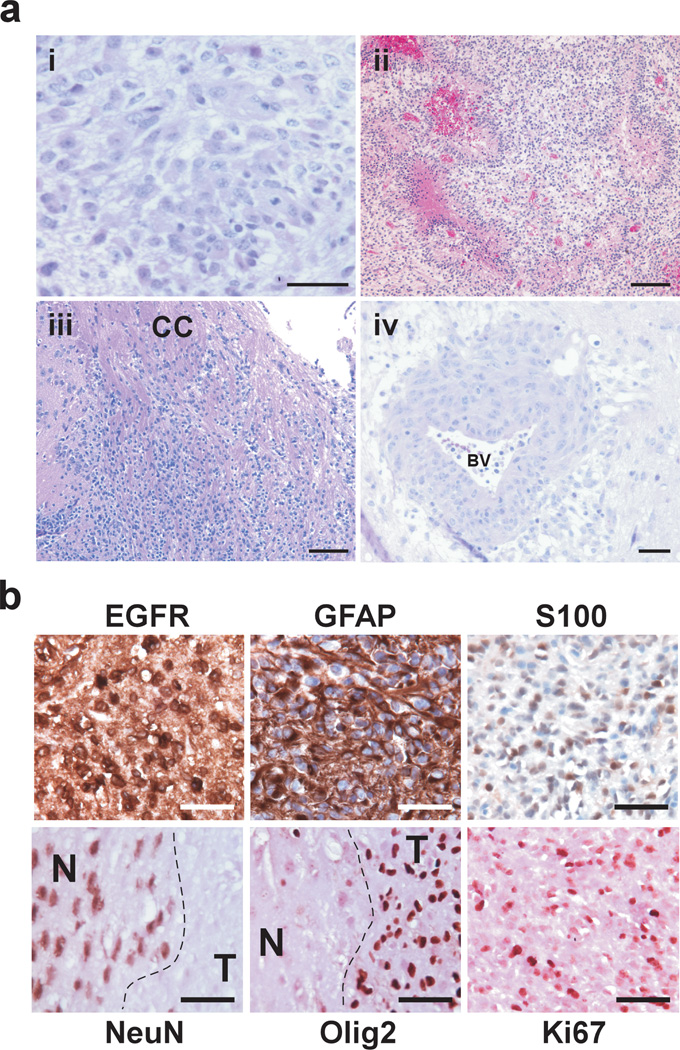
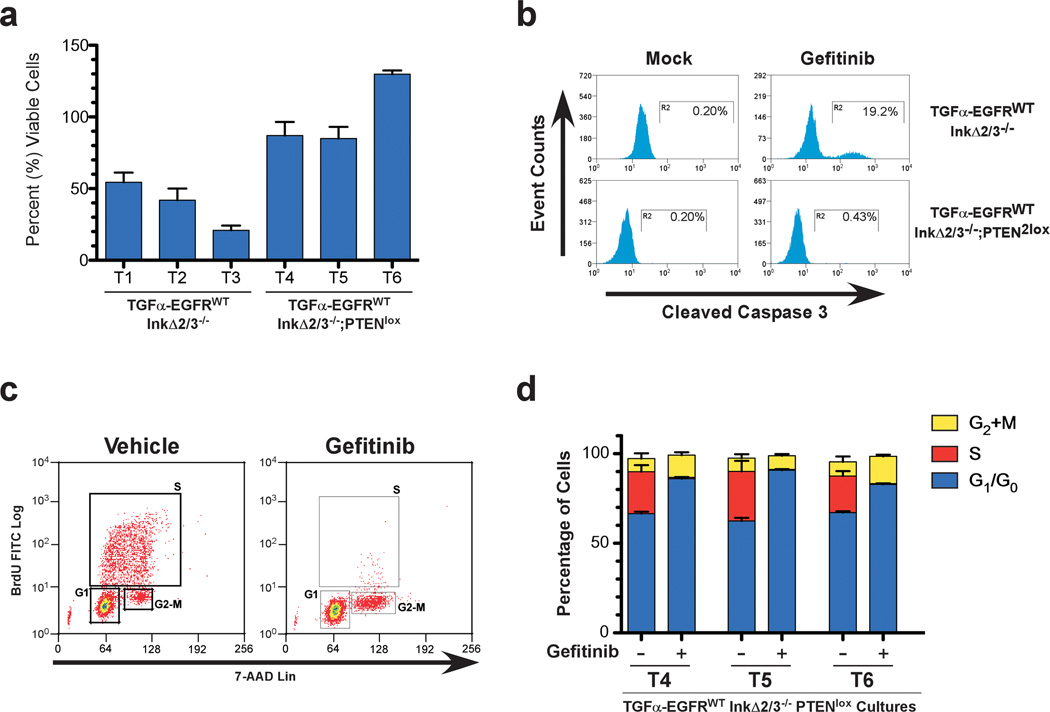
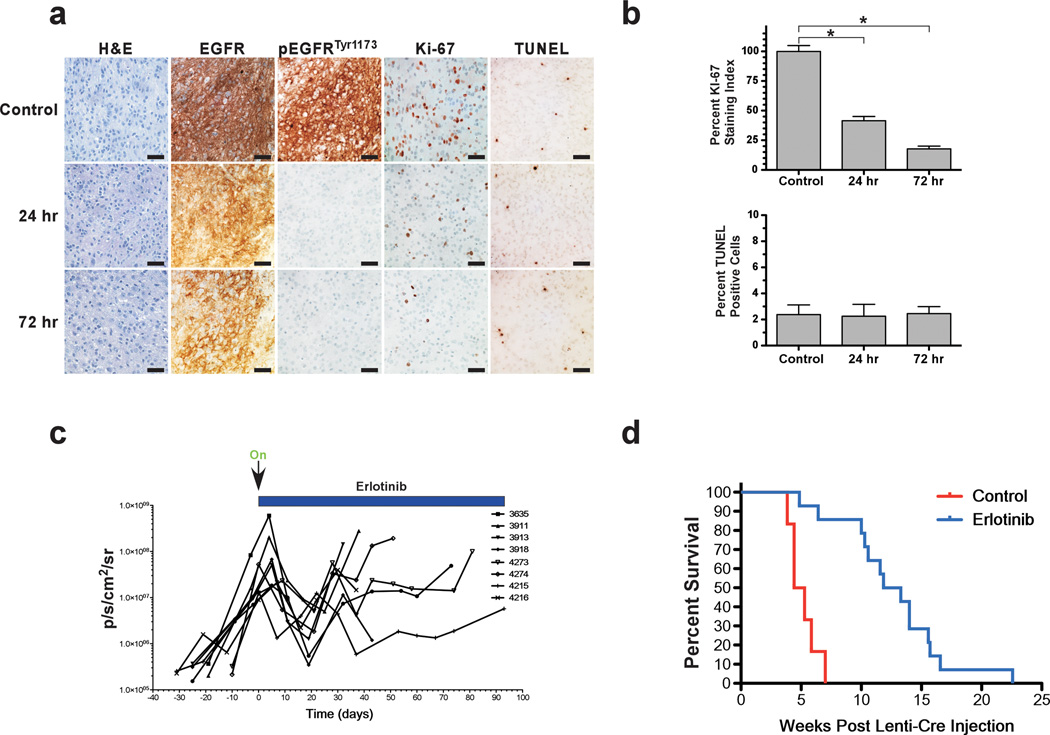
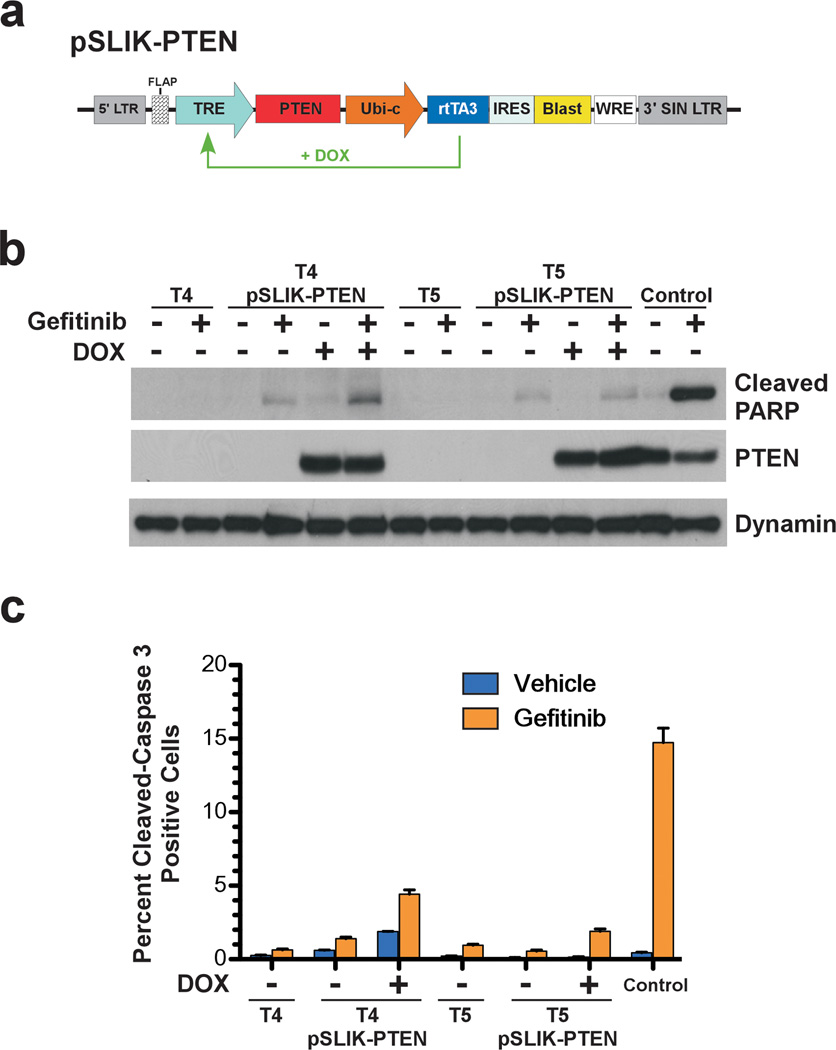
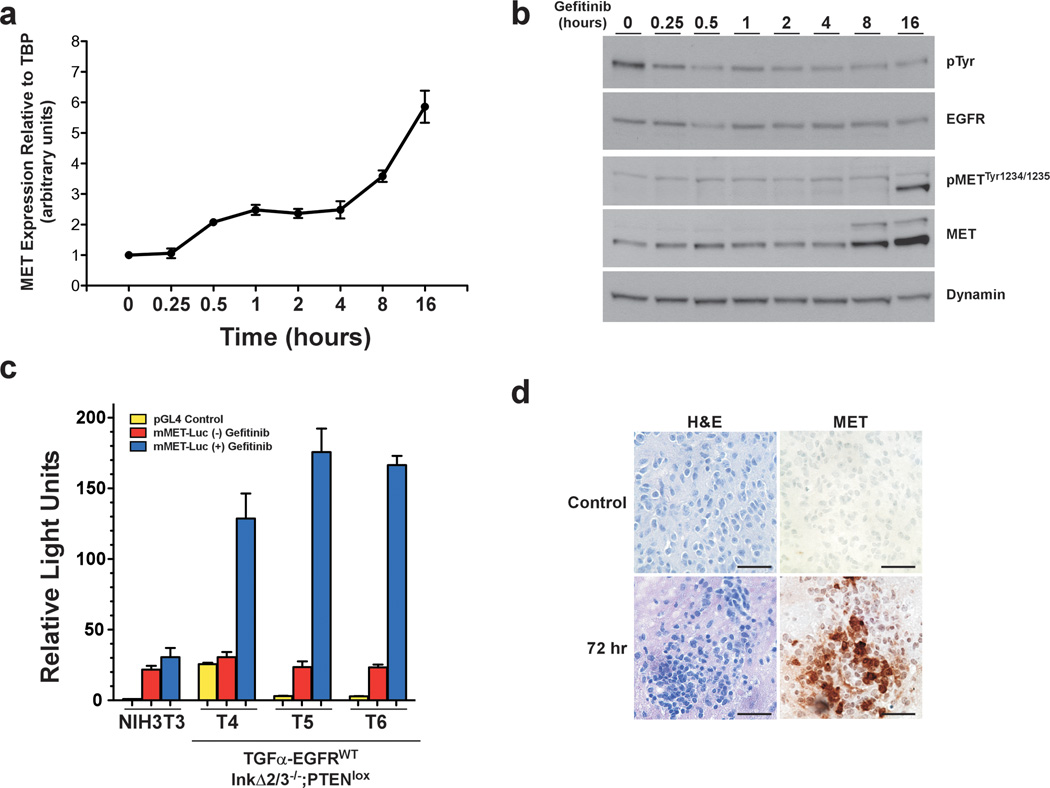
Glioblastoma multiforme (GBM) is an aggressive brain tumor for which there is no cure. Overexpression of wild-type epidermal growth factor receptor (EGFR) and loss of the tumor suppressor genes Ink4a/Arf and PTEN are salient features of this deadly cancer. Surprisingly, targeted inhibition of EGFR has been clinically disappointing, demonstrating an innate ability for GBM to develop resistance. Efforts at modeling GBM in mice using wild-type EGFR have proven unsuccessful to date, hampering endeavors at understanding molecular mechanisms of therapeutic resistance. Here, we describe a unique genetically engineered mouse model of EGFR-driven gliomagenesis that uses a somatic conditional overexpression and chronic activation of wild-type EGFR in cooperation with deletions in the Ink4a/Arf and PTEN genes in adult brains. Using this model, we establish that chronic activation of wild-type EGFR with a ligand is necessary for generating tumors with histopathological and molecular characteristics of GBMs. We show that these GBMs are resistant to EGFR kinase inhibition and we define this resistance molecularly. Inhibition of EGFR kinase activity using tyrosine kinase inhibitors in GBM tumor cells generates a cytostatic response characterized by a cell cycle arrest, which is accompanied by a substantial change in global gene expression levels. We demonstrate that an important component of this pattern is the transcriptional activation of the MET receptor tyrosine kinase and that pharmacological inhibition of MET overcomes the resistance to EGFR inhibition in these cells. These findings provide important new insights into mechanisms of resistance to EGFR inhibition and suggest that inhibition of multiple targets will be necessary to provide therapeutic benefit for GBM patients.
胶质母细胞瘤(GBM)是一种无法治愈的侵袭性脑肿瘤。野生型表皮生长因子受体(EGFR)的过表达和肿瘤抑制基因 Ink4a/Arf 和 PTEN 的缺失是这种致命癌症的显著特征。令人惊讶的是,针对 EGFR 的靶向抑制在临床上令人失望,表明 GBM 具有天生的耐药能力。迄今为止,使用野生型 EGFR 在小鼠中模拟 GBM 的努力都没有成功,这阻碍了对治疗耐药性分子机制的理解。在这里,我们描述了一种独特的遗传工程小鼠模型,用于 EGFR 驱动的神经胶质瘤发生,该模型在成年大脑中使用体细胞条件性过表达和野生型 EGFR 的慢性激活,与 Ink4a/Arf 和 PTEN 基因的缺失合作。使用这种模型,我们确定了用配体慢性激活野生型 EGFR 对于产生具有 GBM 组织病理学和分子特征的肿瘤是必要的。我们表明,这些 GBM 对 EGFR 激酶抑制具有抗性,并且我们从分子上定义了这种抗性。使用酪氨酸激酶抑制剂在 GBM 肿瘤细胞中抑制 EGFR 激酶活性会产生细胞周期停滞的细胞抑制反应,这伴随着全球基因表达水平的显著变化。我们证明这种模式的一个重要组成部分是 MET 受体酪氨酸激酶的转录激活,并且药理学抑制 MET 克服了这些细胞对 EGFR 抑制的抗性。这些发现为 EGFR 抑制耐药机制提供了重要的新见解,并表明抑制多个靶点对于为 GBM 患者提供治疗益处是必要的。