University of Potsdam, Institute for Biochemistry and Biology, Karl-Liebknecht-Str. 24/25, 14476 Potsdam-Golm, Germany.
Beilstein J Org Chem. 2011;7:1622-35. doi: 10.3762/bjoc.7.191. Epub 2011 Dec 5.
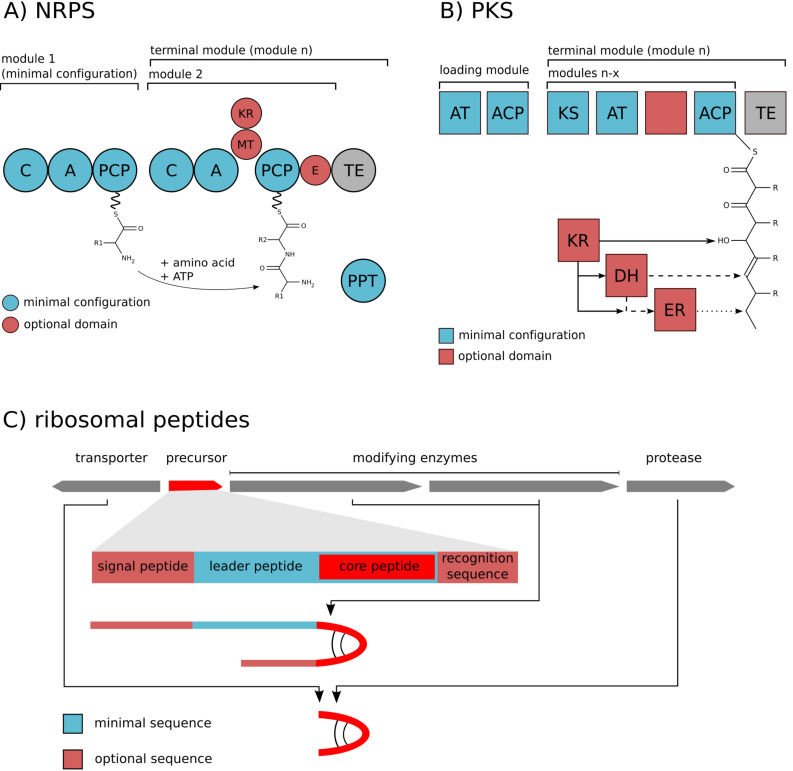
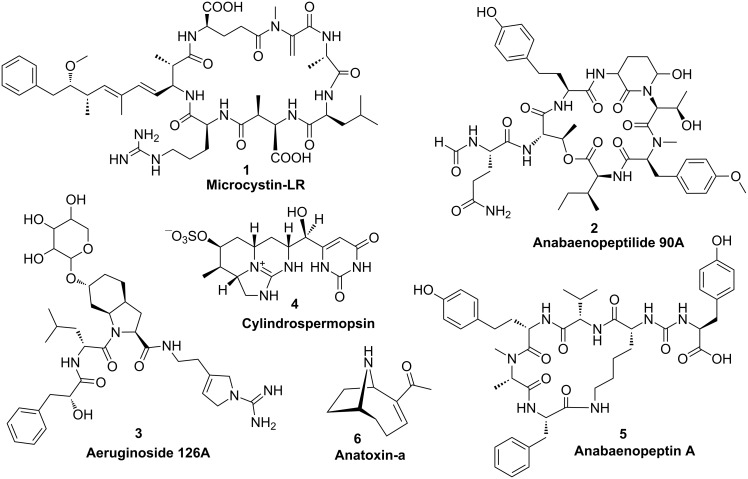
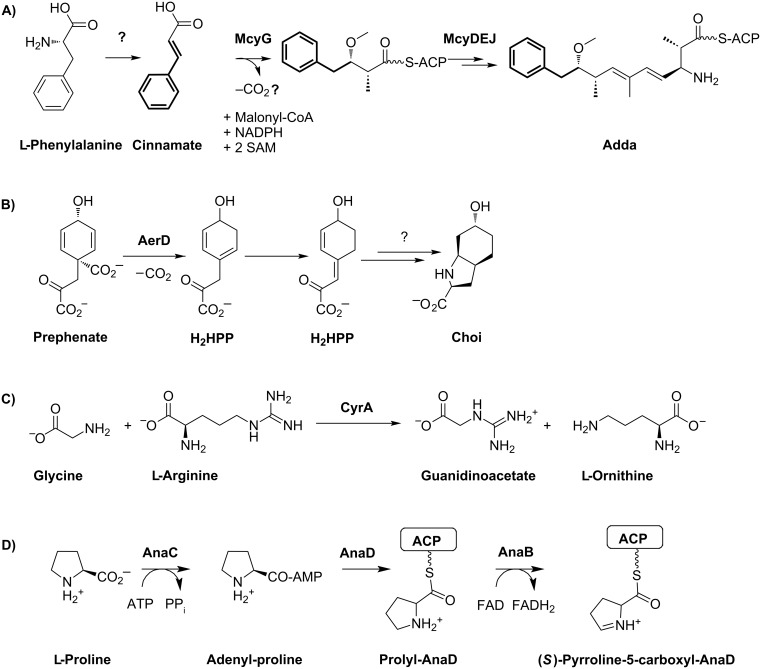
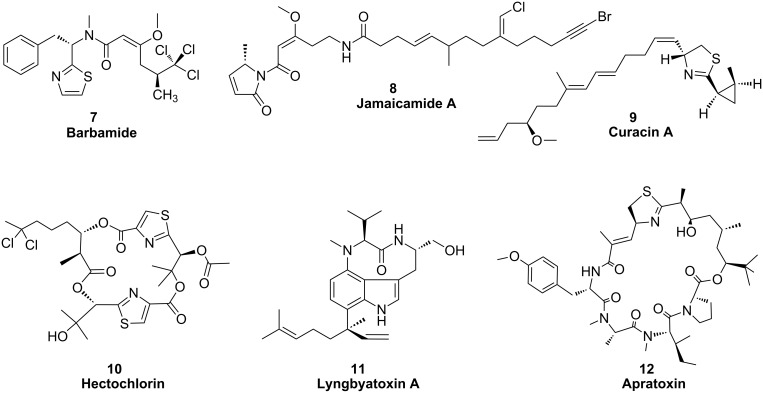
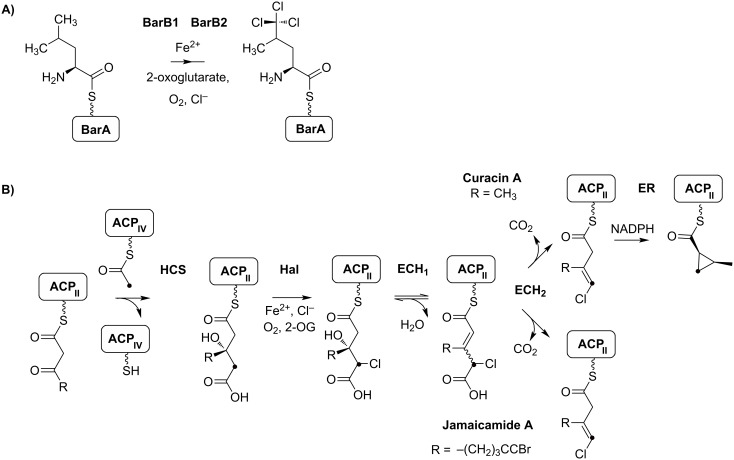
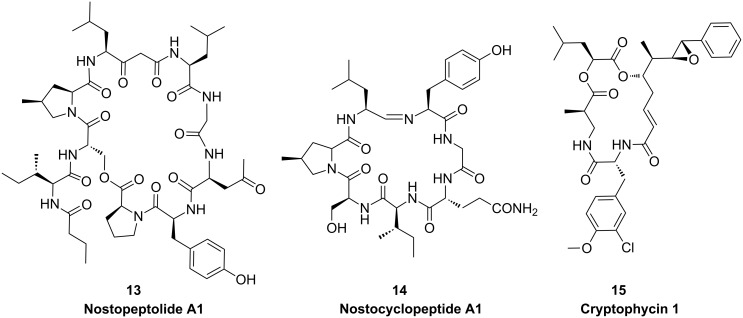
Cyanobacteria are prolific producers of natural products. Investigations into the biochemistry responsible for the formation of these compounds have revealed fascinating mechanisms that are not, or only rarely, found in other microorganisms. In this article, we survey the biosynthetic pathways of cyanobacteria isolated from freshwater, marine and terrestrial habitats. We especially emphasize modular nonribosomal peptide synthetase (NRPS) and polyketide synthase (PKS) pathways and highlight the unique enzyme mechanisms that were elucidated or can be anticipated for the individual products. We further include ribosomal natural products and UV-absorbing pigments from cyanobacteria. Mechanistic insights obtained from the biochemical studies of cyanobacterial pathways can inspire the development of concepts for the design of bioactive compounds by synthetic-biology approaches in the future.
蓝藻是天然产物的丰富生产者。对这些化合物形成负责的生物化学的研究揭示了迷人的机制,这些机制在其他微生物中并不存在,或者很少存在。在本文中,我们调查了从淡水、海洋和陆地生境中分离出的蓝藻的生物合成途径。我们特别强调模块化非核糖体肽合酶 (NRPS) 和聚酮合酶 (PKS) 途径,并强调阐明或可以预期个别产物的独特酶机制。我们还包括来自蓝藻的核糖体天然产物和紫外线吸收色素。从蓝藻途径的生化研究中获得的机制见解,可以为未来通过合成生物学方法设计生物活性化合物的概念提供启示。