Departamento de Genética, Universidad de Sevilla, Sevilla, Spain.
PLoS Genet. 2012 Jan;8(1):e1002459. doi: 10.1371/journal.pgen.1002459. Epub 2012 Jan 19.
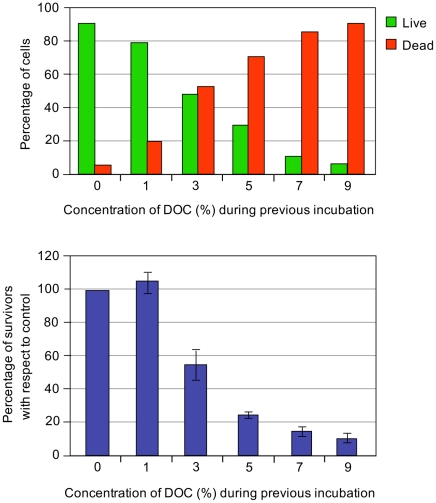
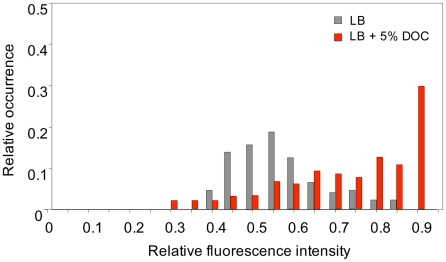
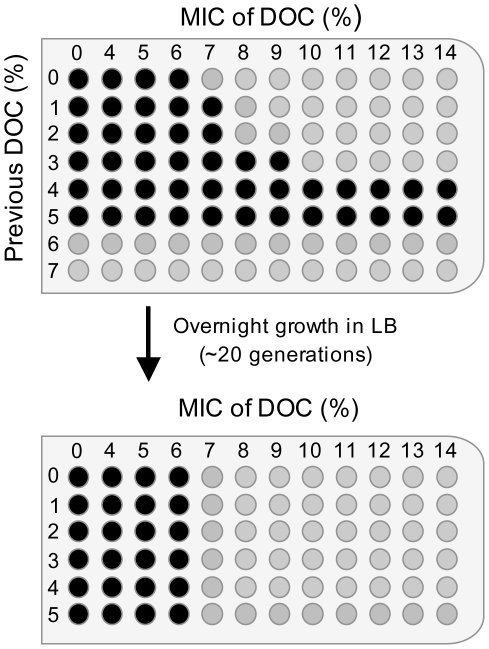
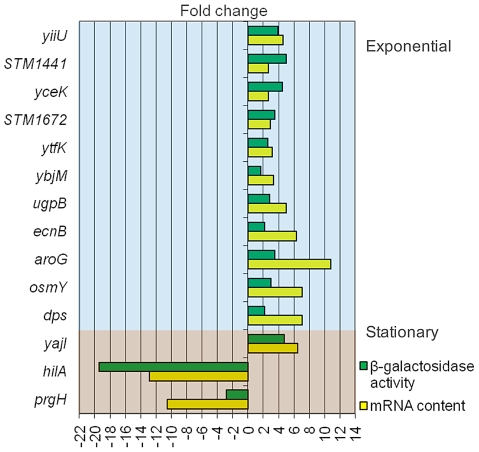
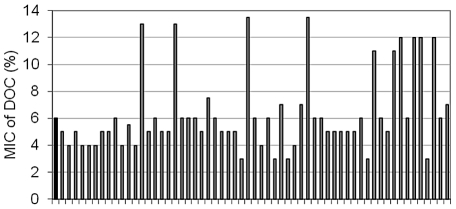
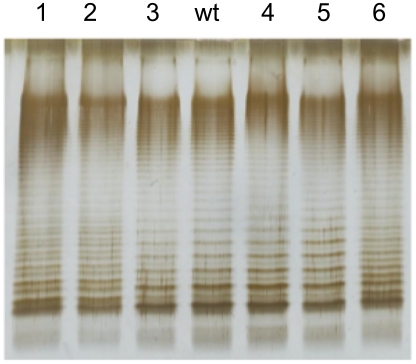
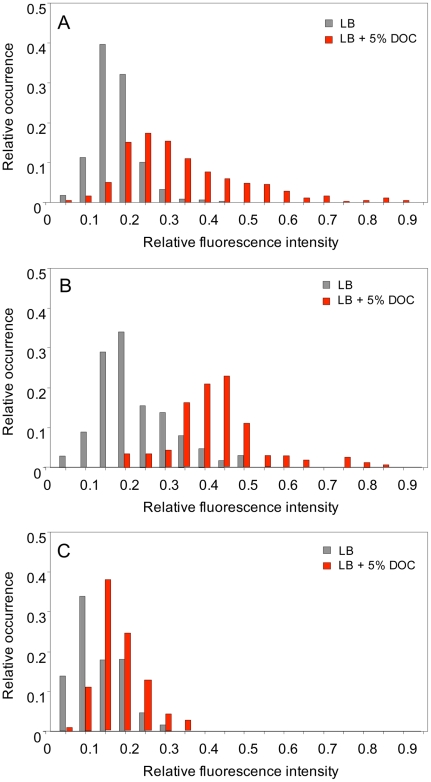
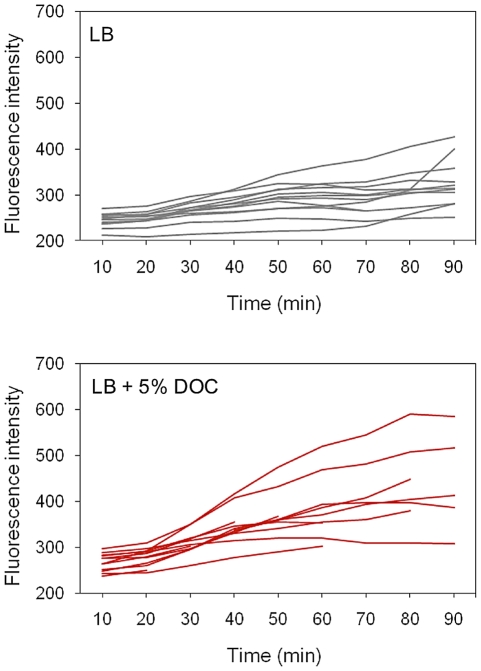
Bile possesses antibacterial activity because bile salts disrupt membranes, denature proteins, and damage DNA. This study describes mechanisms employed by the bacterium Salmonella enterica to survive bile. Sublethal concentrations of the bile salt sodium deoxycholate (DOC) adapt Salmonella to survive lethal concentrations of bile. Adaptation seems to be associated to multiple changes in gene expression, which include upregulation of the RpoS-dependent general stress response and other stress responses. The crucial role of the general stress response in adaptation to bile is supported by the observation that RpoS(-) mutants are bile-sensitive. While adaptation to bile involves a response by the bacterial population, individual cells can become bile-resistant without adaptation: plating of a non-adapted S. enterica culture on medium containing a lethal concentration of bile yields bile-resistant colonies at frequencies between 10(-6) and 10(-7) per cell and generation. Fluctuation analysis indicates that such colonies derive from bile-resistant cells present in the previous culture. A fraction of such isolates are stable, indicating that bile resistance can be acquired by mutation. Full genome sequencing of bile-resistant mutants shows that alteration of the lipopolysaccharide transport machinery is a frequent cause of mutational bile resistance. However, selection on lethal concentrations of bile also provides bile-resistant isolates that are not mutants. We propose that such isolates derive from rare cells whose physiological state permitted survival upon encountering bile. This view is supported by single cell analysis of gene expression using a microscope fluidic system: batch cultures of Salmonella contain cells that activate stress response genes in the absence of DOC. This phenomenon underscores the existence of phenotypic heterogeneity in clonal populations of bacteria and may illustrate the adaptive value of gene expression fluctuations.
胆汁具有抗菌活性,因为胆汁盐会破坏细胞膜、使蛋白质变性和破坏 DNA。本研究描述了细菌沙门氏菌生存于胆汁的机制。亚致死浓度的胆汁盐脱氧胆酸钠(DOC)使沙门氏菌适应于致死浓度的胆汁。这种适应似乎与基因表达的多种变化有关,包括 RpoS 依赖性一般应激反应和其他应激反应的上调。一般应激反应在适应胆汁中的关键作用得到了支持,即 RpoS(-) 突变体对胆汁敏感。虽然适应胆汁涉及细菌群体的反应,但单个细胞可以在没有适应的情况下变得对胆汁有抗性:在含有致死浓度胆汁的培养基上接种未适应的沙门氏菌培养物,会以每细胞 10(-6) 到 10(-7) 的频率产生胆汁抗性菌落,每代。波动分析表明,这种菌落来源于前一个培养物中存在的胆汁抗性细胞。这些分离株的一部分是稳定的,表明胆汁抗性可以通过突变获得。胆汁抗性突变体的全基因组测序表明,改变脂多糖转运机制是突变导致胆汁抗性的常见原因。然而,在致死浓度的胆汁上选择也提供了非突变的胆汁抗性分离株。我们提出,这些分离株来源于少数细胞,其生理状态允许在遇到胆汁时存活。这种观点得到了使用显微镜流体系统进行单细胞基因表达分析的支持:沙门氏菌的分批培养物包含在没有 DOC 的情况下激活应激反应基因的细胞。这种现象突出了细菌克隆群体中表型异质性的存在,并可能说明了基因表达波动的适应性价值。