Machine Learning Laboratory, Berlin Institute of Technology, Berlin, Germany.
BMC Neurosci. 2012 Feb 15;13:19. doi: 10.1186/1471-2202-13-19.
Increasing the communication speed of brain-computer interfaces (BCIs) is a major aim of current BCI-research. The idea to automatically detect error-related potentials (ErrPs) in order to veto erroneous decisions of a BCI has been existing for more than one decade, but this approach was so far little investigated in online mode.
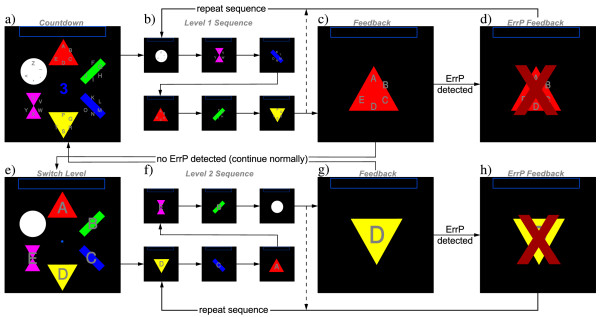
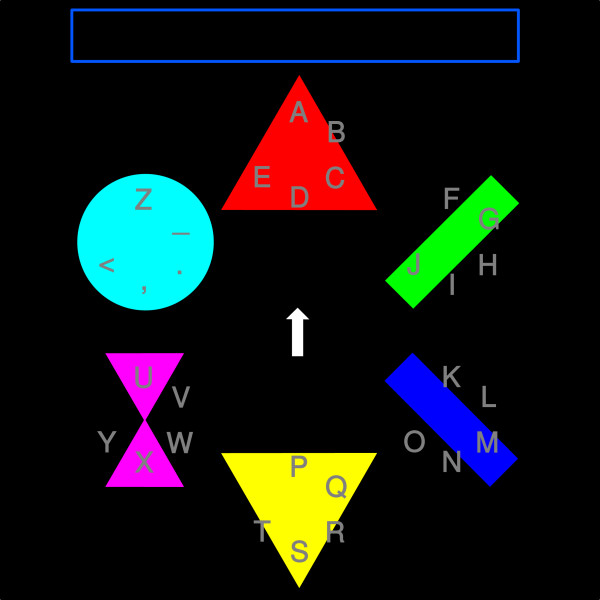
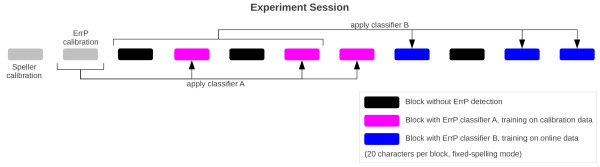
In our study with eleven participants, an ErrP detection mechanism was implemented in an electroencephalography (EEG) based gaze-independent visual speller.
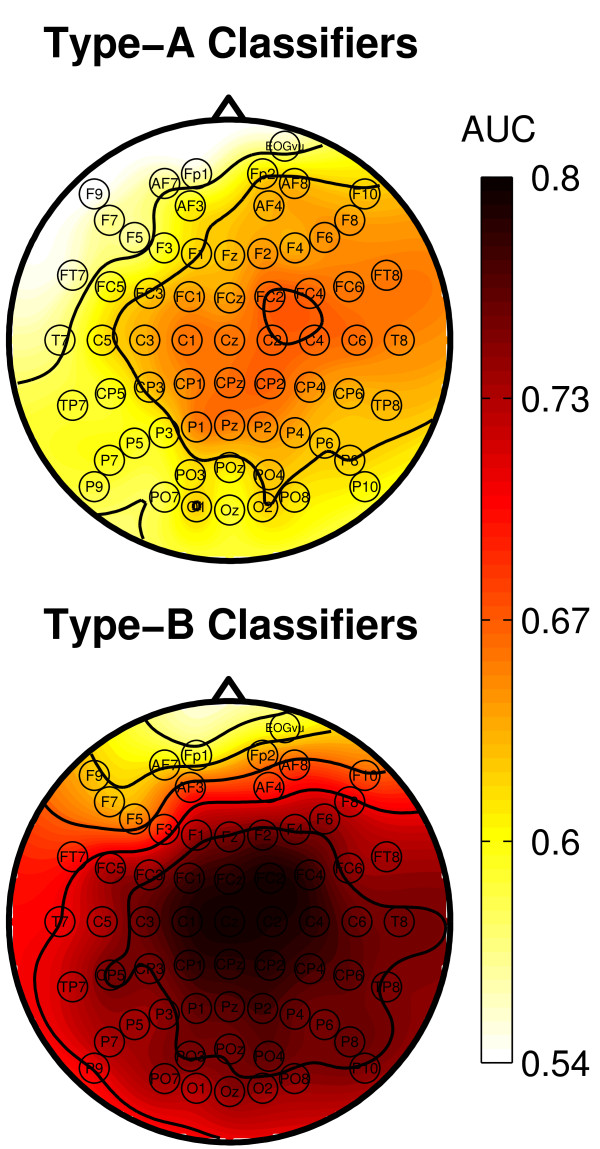
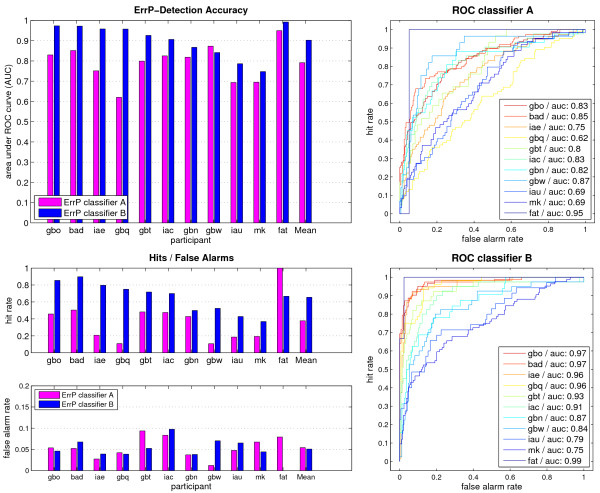
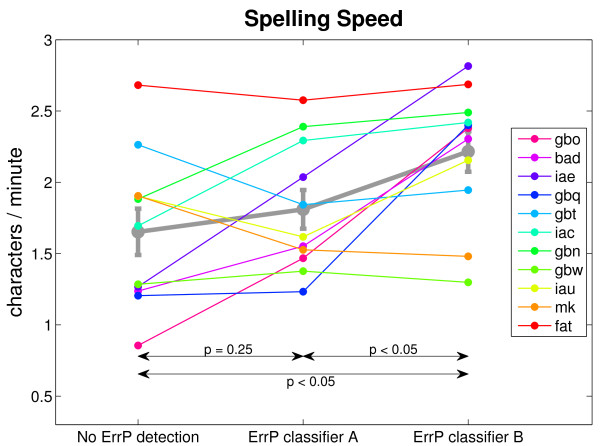
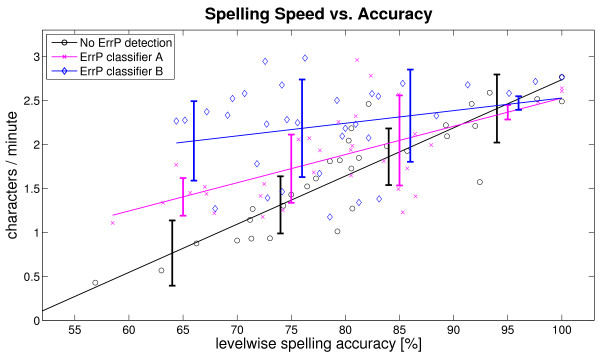
Single-trial ErrPs were detected with a mean accuracy of 89.1% (AUC 0.90). The spelling speed was increased on average by 49.0% using ErrP detection. The improvement in spelling speed due to error detection was largest for participants with low spelling accuracy.
The performance of BCIs can be increased by using an automatic error detection mechanism. The benefit for patients with motor disorders is potentially high since they often have rather low spelling accuracies compared to healthy people.
提高脑机接口(BCI)的通信速度是当前 BCI 研究的主要目标。十多年来,人们一直有自动检测错误相关电位(ErrPs)的想法,以便否决 BCI 的错误决策,但这种方法在在线模式下还没有得到充分研究。
在我们的研究中,有 11 名参与者,在基于脑电图(EEG)的无需注视的视觉拼写器中实现了 ErrP 检测机制。
单次试验 ErrP 的检测准确率平均为 89.1%(AUC 为 0.90)。使用 ErrP 检测可将拼写速度平均提高 49.0%。对于拼写准确率较低的参与者,由于错误检测而导致的拼写速度提高幅度最大。
使用自动错误检测机制可以提高 BCI 的性能。对于运动障碍患者来说,这种方法的潜在好处很高,因为与健康人相比,他们的拼写准确率通常较低。