Aminozarbian Mohammad-Ghasem, Barati Masoud, Salehi Iman, Mousavi Seyed Behrouz
Department of Endodontics and Torabinejad Dental Research Center, School of dentistry, Isfahan University of Medical Sciences, Isfahan, Iran.
Dent Res J (Isfahan). 2012 Jan;9(1):54-9. doi: 10.4103/1735-3327.92944.
Introducing new endodontic cements should await comprehensive investigations and new formulations have to be tested in vivo before applying in human beings. So, the purpose of this study was to compare the biocompatibility of new endodontic cements, calcium aluminate α-aluminate cement (CAAC), calcium aluminate α-aluminate plus cement (CAAC plus), and a mixture of wollastonite and CAAC cement (WOLCA) and mineral trioxide aggregate (MTA), in subcutaneous connective tissue of rats.
Twenty-seven Wistar rats were divided into three groups of 7, 14, and 30 experimental days. Sterile polyethylene tubes were filled with MTA, CAAC, CAAC Plus, and WOLCA cement and implanted subcutaneously. Empty tubes were implanted as negative control. After the experimental periods, animals were sacrificed by anesthetic overdosing. The occurrence of inflammatory responses was scored according to the previously established scores. Data were statistically analyzed using Friedman, Wilcoxon, Kruskal-Wallis, and Mann-Whitney tests. The level of significance was 5% (P<0.05).
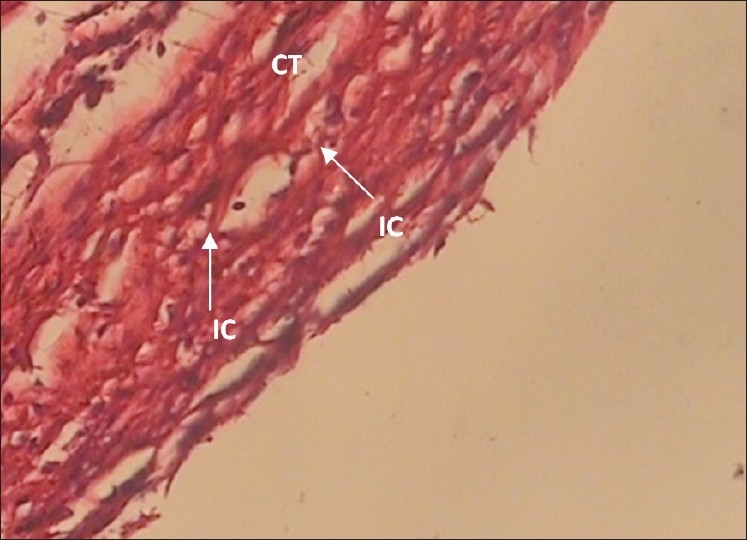
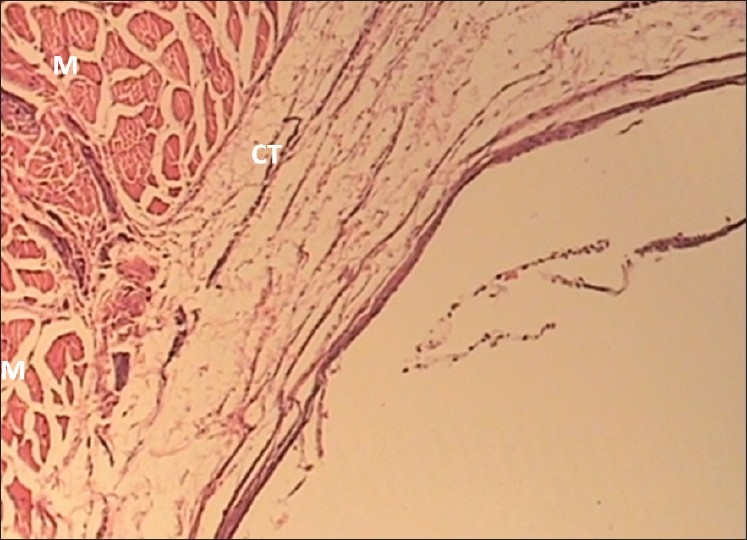
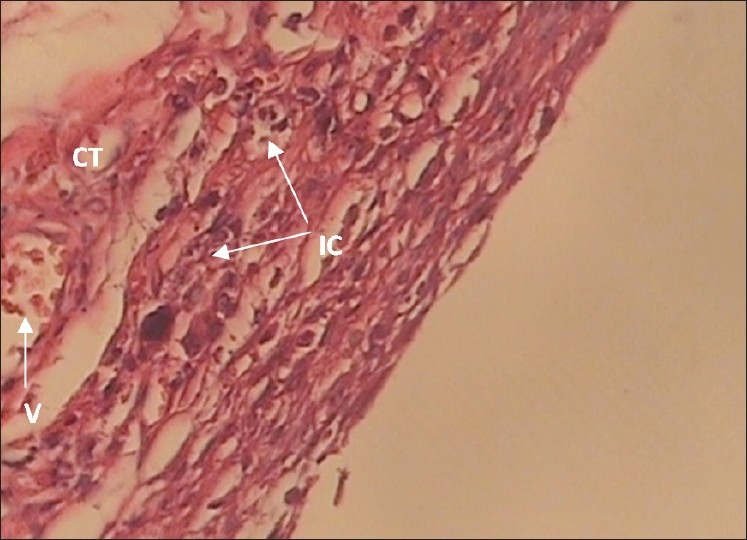
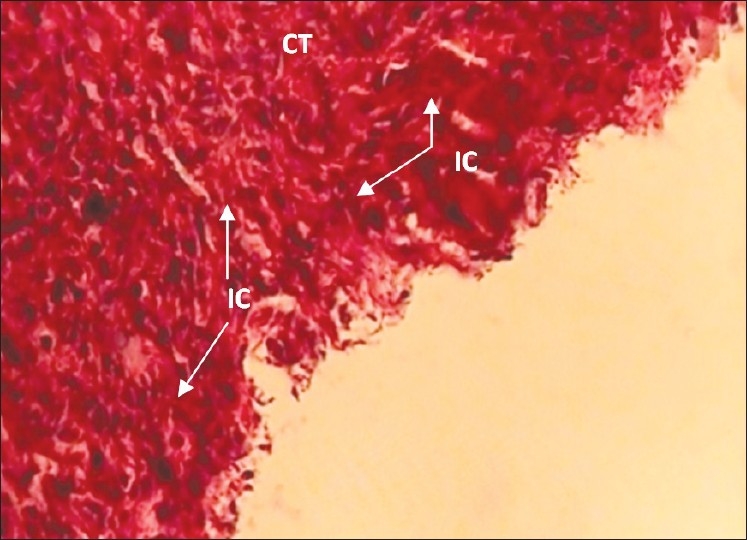
There was a statistically significant difference between experimental and negative control sites in each group (P<0.05). CAAC Plus showed the highest mean scores of inflammation, compared with MTA, CAAC, and WOLCA cement sits at the end of all periods (P<0.05). There were no statistically significant differences between inflammatory scores of each site in different experimental groups, except CAAC plus sites, in which inflammation increased significantly with time (P<0.05).
According to the results of the current study, biocompatibility of CAAC and WOLCA cement were comparable with that of MTA, but CAAC Plus induced an inflammatory response higher than MTA, therefore is not biocompatible.
引入新型牙髓黏固剂应等待全面研究,新配方必须在体内进行测试后才能应用于人类。因此,本研究的目的是比较新型牙髓黏固剂——铝酸钙α - 铝酸盐水泥(CAAC)、铝酸钙α - 铝酸盐加水泥(CAAC plus)、硅灰石与CAAC水泥混合物(WOLCA)以及矿物三氧化物聚合体(MTA)在大鼠皮下结缔组织中的生物相容性。
将27只Wistar大鼠分为三组,分别观察7天、14天和30天。无菌聚乙烯管分别填充MTA、CAAC、CAAC Plus和WOLCA水泥后皮下植入。植入空管作为阴性对照。实验期结束后,过量麻醉处死动物。根据先前确定的评分标准对炎症反应的发生情况进行评分。使用Friedman、Wilcoxon、Kruskal - Wallis和Mann - Whitney检验对数据进行统计学分析。显著性水平为5%(P<0.05)。
每组实验部位与阴性对照部位之间存在统计学显著差异(P<0.05)。在所有观察期结束时,与MTA、CAAC和WOLCA水泥部位相比,CAAC Plus的炎症平均评分最高(P<0.05)。除CAAC plus部位外,不同实验组各部位的炎症评分之间无统计学显著差异,CAAC plus部位的炎症随时间显著增加(P<0.05)。
根据本研究结果,CAAC和WOLCA水泥的生物相容性与MTA相当,但CAAC Plus引起的炎症反应高于MTA,因此其生物相容性不佳。