Department of Medical and Surgical Sciences, U.O. of Metabolic Diseases and Diabetology, University of Padua, Via Giustiniani 2, 35143 Padua, Italy.
Int J Endocrinol. 2012;2012:985136. doi: 10.1155/2012/985136. Epub 2012 Mar 15.
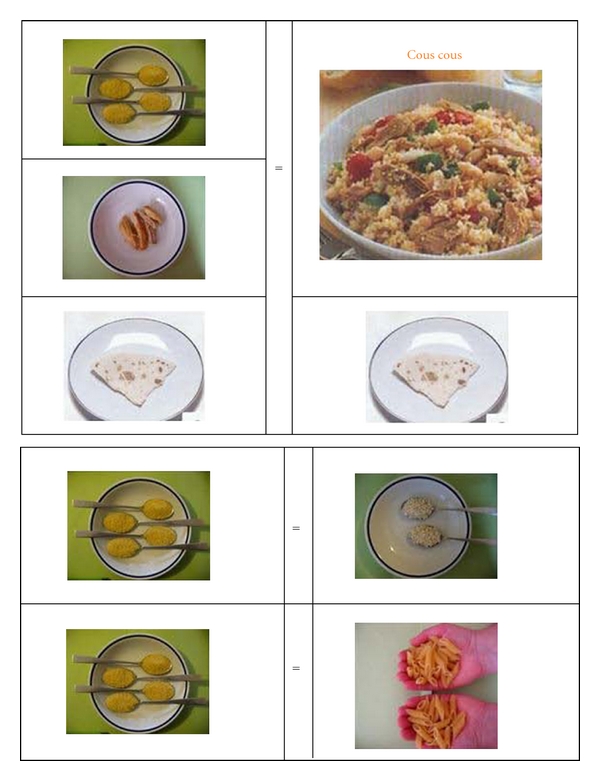
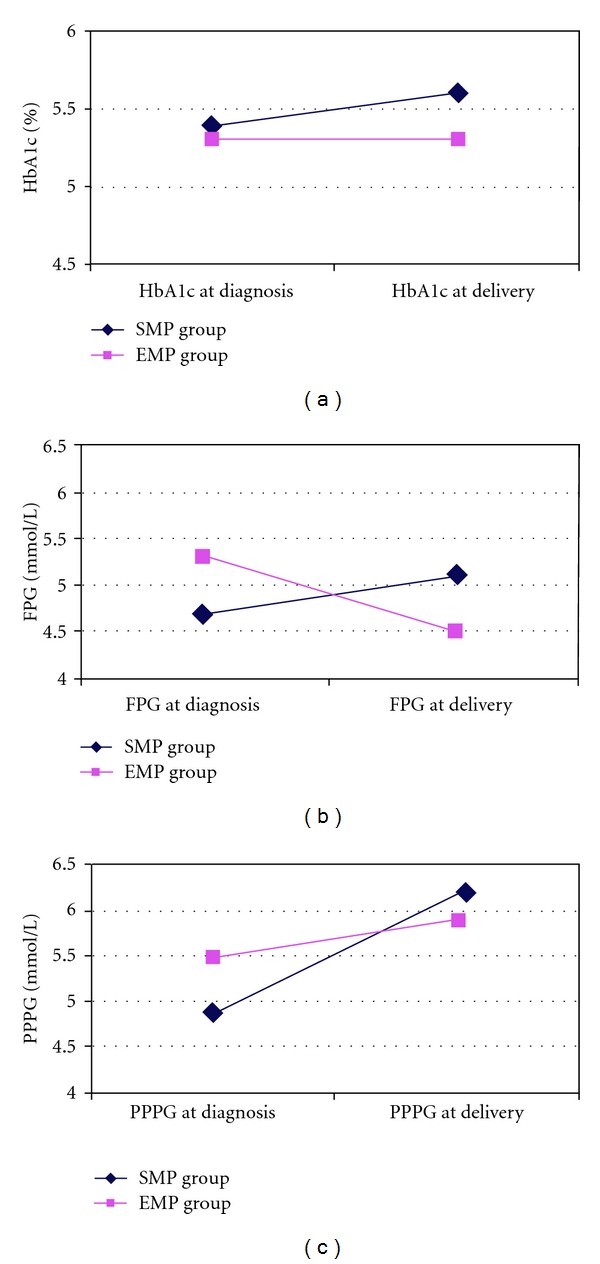
Background. Medical nutritional therapy is the most important method for normalizing glucose levels in pregnancy. In this setting, there is a new problem to consider relating to migrants, their personal food preferences, and ethnic, cultural, and religious aspects of their diet. We compared maternal and fetal outcomes between two multiethnic groups of pregnant women, one adopting a food plan that included dishes typical of the foreign women's original countries (the "ethnic meal plan" group), while the other group adopted a standard meal plan. Findings. To develop the meal plan, each dish chosen by the women was broken down into its principal ingredients. The quantity of each food was given in tablespoons, teaspoons, slices, and cups, and there were photographs of the complete dish. The group treated with the ethnic meal plan achieved a better metabolic control at the end of the pregnancy and a lower weight gain (though the difference was not statistically significant). As for fetal outcome, the group on the ethnic meal plan had babies with a lower birth weight and there were no cases of macrosomia or LGA babies. Conclusions. This preliminary study indicates the positive effect of an ethnic approach to diet on the outcome of pregnancy.
背景。医学营养疗法是使妊娠期间血糖水平正常化的最重要方法。在这种情况下,需要考虑与移民相关的新问题,包括他们的个人食物偏好、饮食的民族、文化和宗教方面。我们比较了两组不同族裔的孕妇的母婴结局,一组采用包括来自外国女性原籍国典型菜肴的饮食计划(“民族餐计划”组),而另一组则采用标准饮食计划。结果。为了制定饮食计划,每位女性选择的菜肴都被分解为其主要成分。每种食物的量用汤匙、茶匙、片和杯来表示,并附有完整菜肴的照片。接受民族餐计划治疗的组在妊娠末期的代谢控制更好,体重增加更少(尽管差异无统计学意义)。至于胎儿结局,采用民族餐计划的组的婴儿出生体重较低,没有巨大儿或 LGA 婴儿的病例。结论。这项初步研究表明,饮食民族方法对妊娠结局有积极影响。