Dept. of Materials Science and Eng., Massachusetts Institute of Technology-MIT, Cambridge, MA, USA.
Adv Mater. 2012 Jul 24;24(28):3724-46. doi: 10.1002/adma.201200446. Epub 2012 May 29.
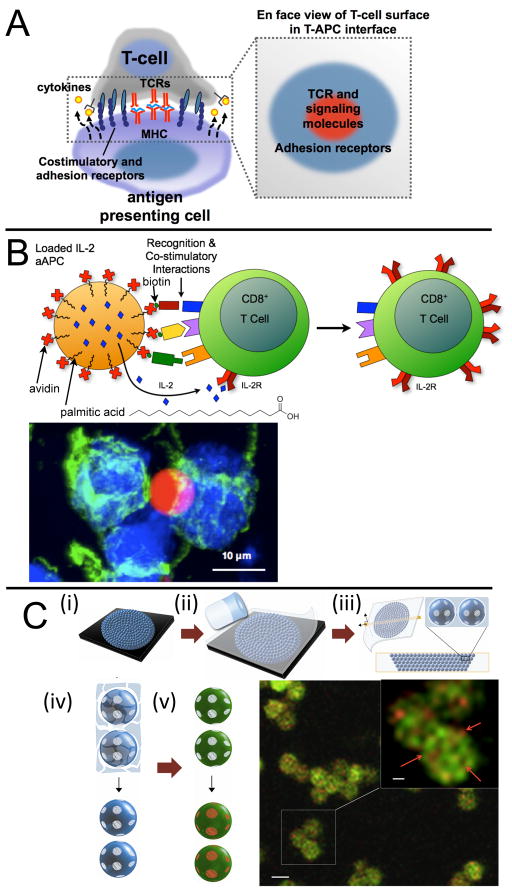
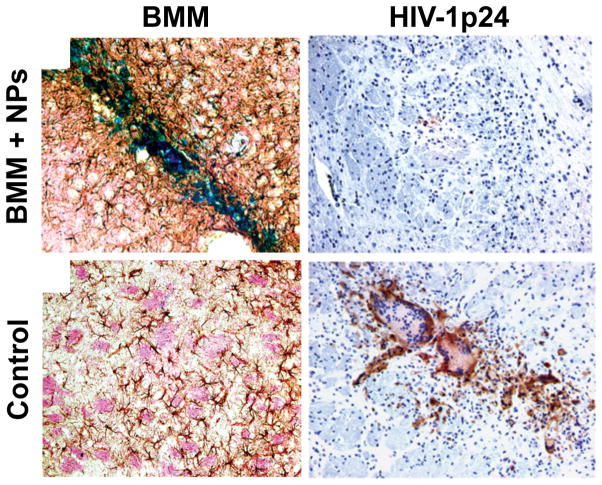
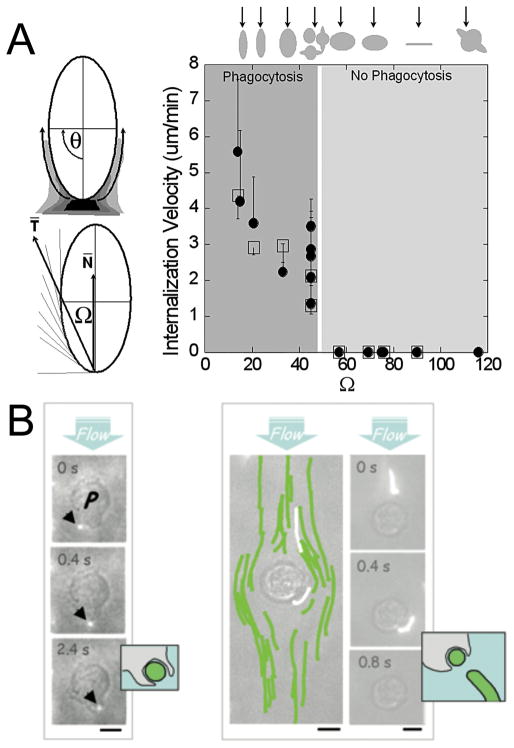
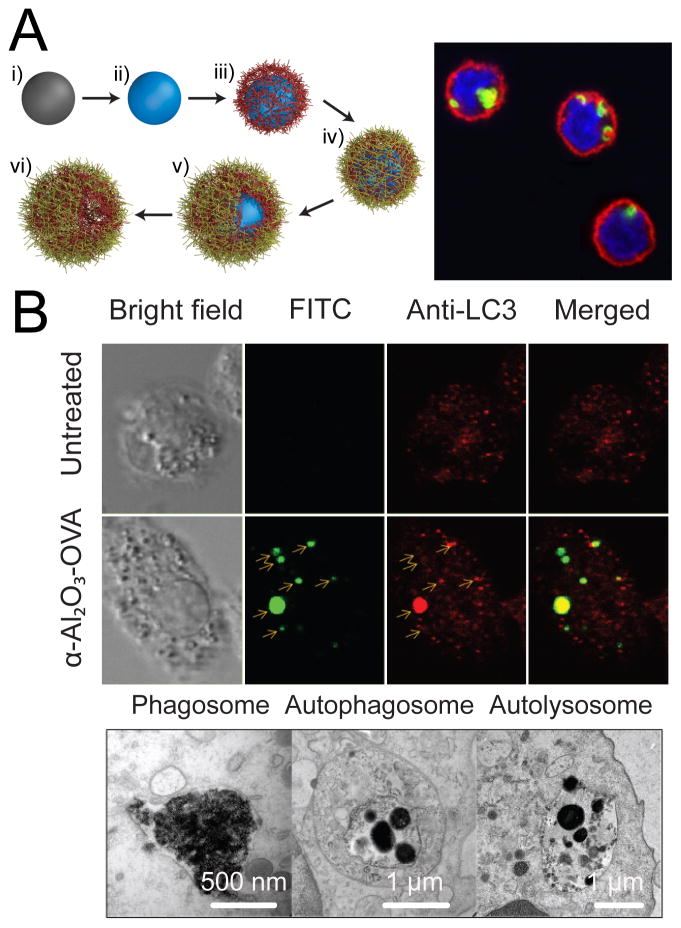
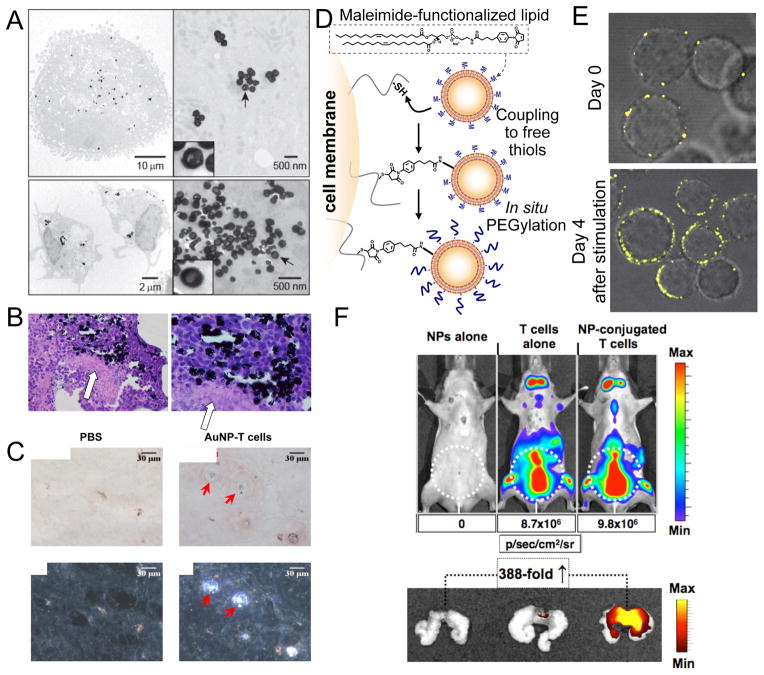
The immune system can be a cure or cause of disease, fulfilling a protective role in attacking cancer or pathogenic microbes but also causing tissue destruction in autoimmune disorders. Thus, therapies aimed to amplify or suppress immune reactions are of great interest. However, the complex regulation of the immune system, coupled with the potential systemic side effects associated with traditional systemic drug therapies, has presented a major hurdle for the development of successful immunotherapies. Recent progress in the design of synthetic micro- and nano-particles that can target drugs, deliver imaging agents, or stimulate immune cells directly through their physical and chemical properties is leading to new approaches to deliver vaccines, promote immune responses against tumors, and suppress autoimmunity. In addition, novel strategies, such as the use of particle-laden immune cells as living targeting agents for drugs, are providing exciting new approaches for immunotherapy. This progress report describes recent advances in the design of micro- and nano-particles for immunotherapies and diagnostics.
免疫系统可以是疾病的治疗者或病因,在攻击癌症或病原微生物方面发挥保护作用,但也会在自身免疫性疾病中导致组织破坏。因此,旨在放大或抑制免疫反应的疗法引起了极大的兴趣。然而,免疫系统的复杂调节,加上与传统全身药物治疗相关的潜在全身副作用,给成功的免疫疗法的发展带来了重大障碍。最近在设计可以通过物理和化学性质直接靶向药物、输送成像剂或刺激免疫细胞的合成微纳米粒子方面取得的进展,为疫苗的输送、促进针对肿瘤的免疫反应和抑制自身免疫提供了新的方法。此外,使用载药免疫细胞作为药物的靶向载体等新策略为免疫疗法提供了令人兴奋的新方法。本进展报告描述了用于免疫治疗和诊断的微纳米粒子设计的最新进展。