The Jefferson Stem Cell Biology and Regenerative Medicine Center, Kimmel Cancer Center, Thomas Jefferson University, Philadelphia, PA, USA.
Cell Cycle. 2012 Jun 15;11(12):2272-84. doi: 10.4161/cc.20717.
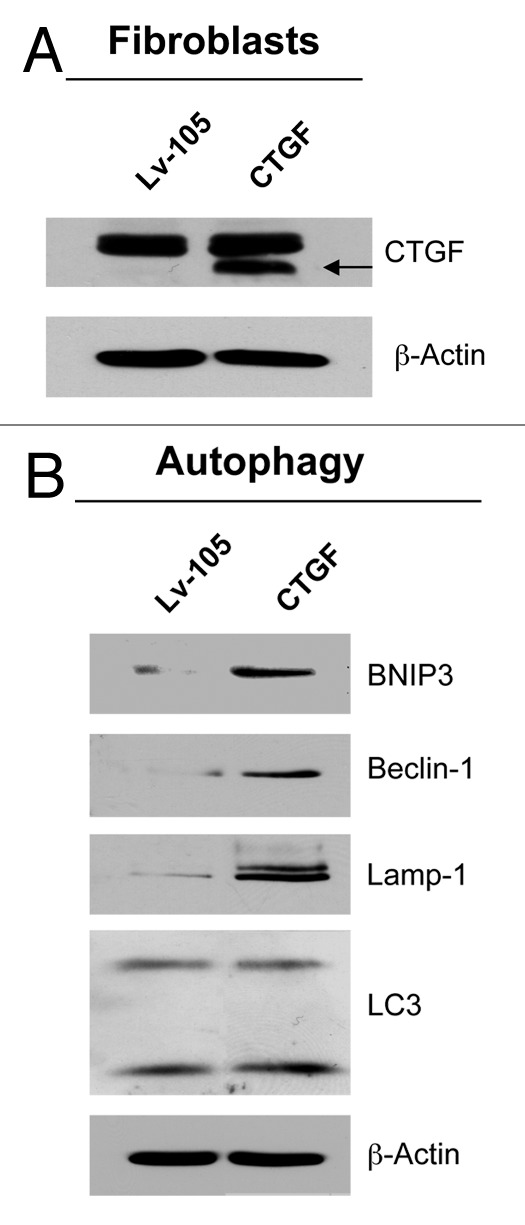
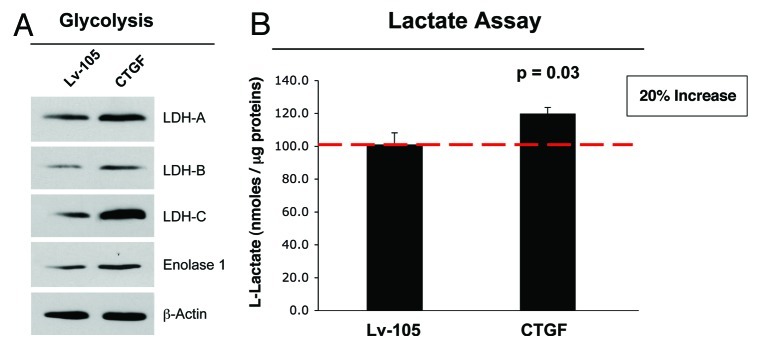
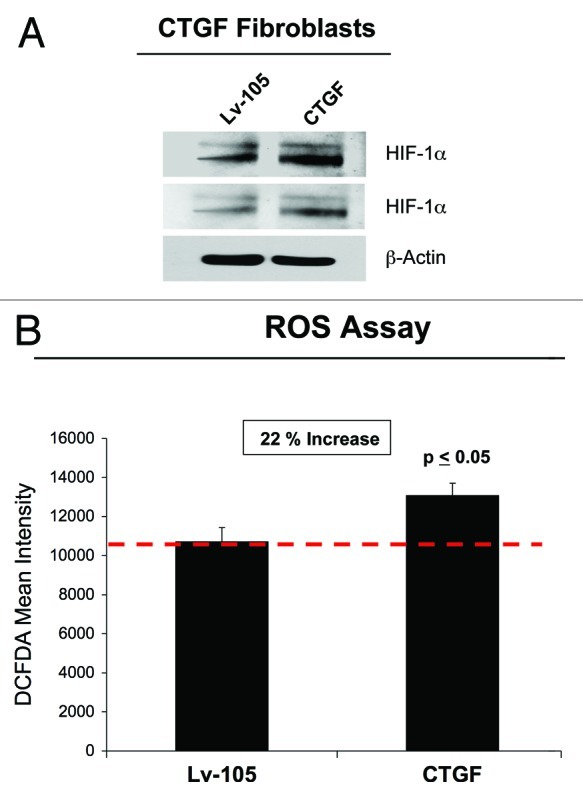
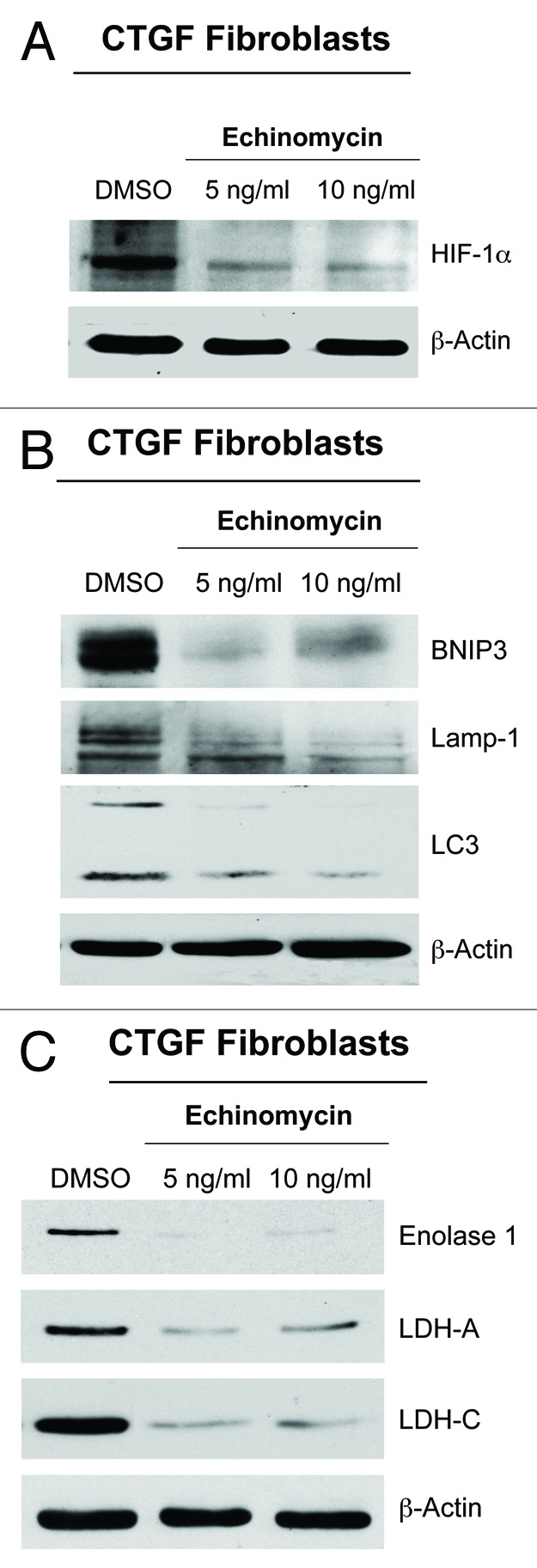
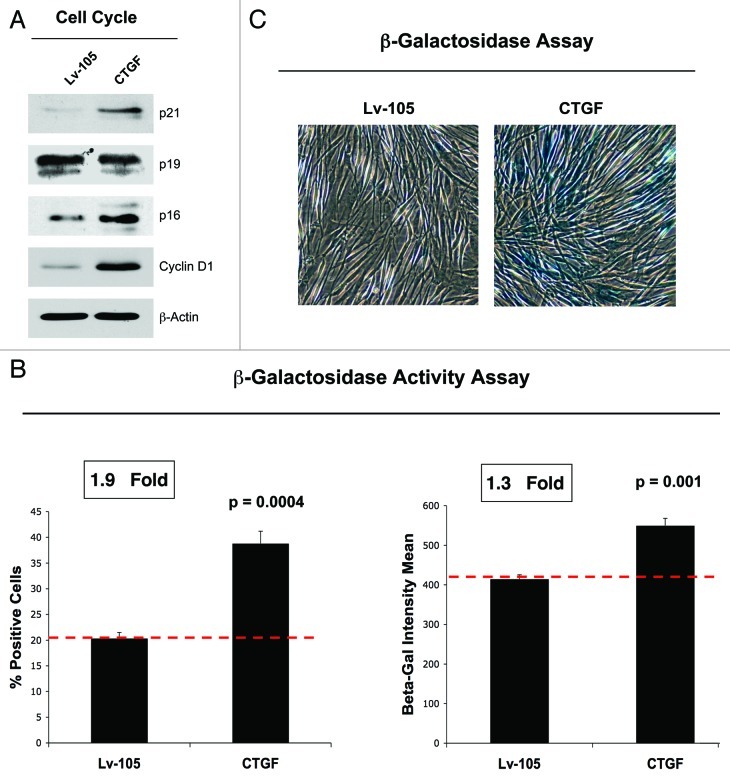
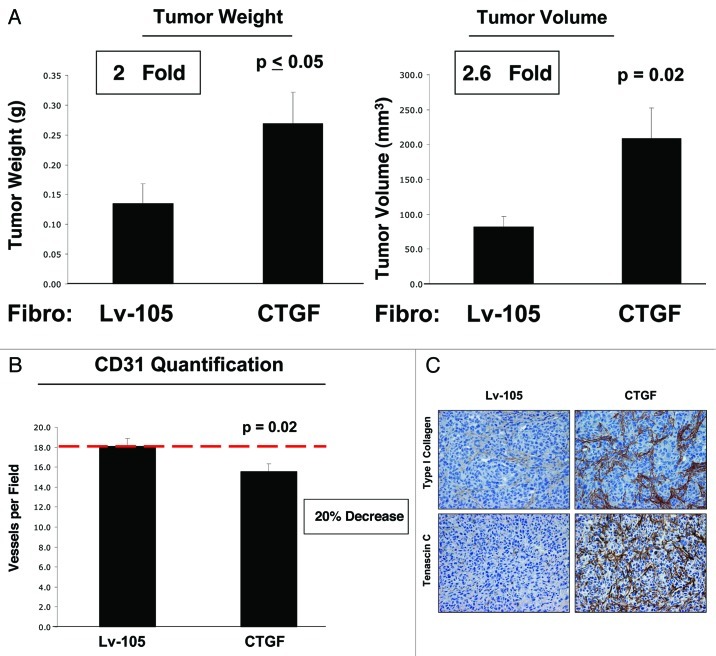
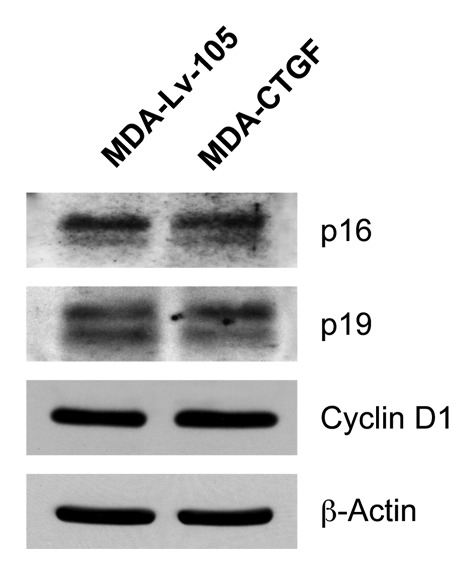
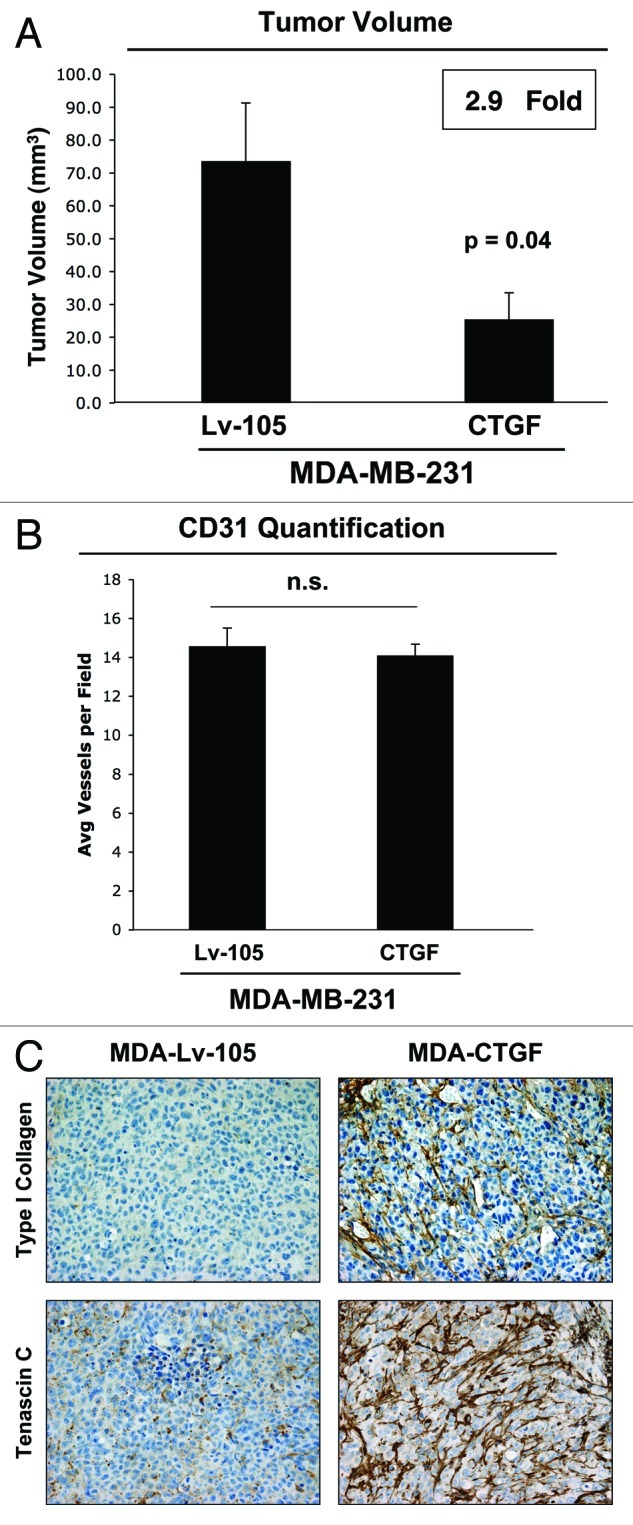
Previous studies have demonstrated that loss of caveolin-1 (Cav-1) in stromal cells drives the activation of the TGF-β signaling, with increased transcription of TGF-β target genes, such as connective tissue growth factor (CTGF). In addition, loss of stromal Cav-1 results in the metabolic reprogramming of cancer-associated fibroblasts, with the induction of autophagy and glycolysis. However, it remains unknown if activation of the TGF-β / CTGF pathway regulates the metabolism of cancer-associated fibroblasts. Therefore, we investigated whether CTGF modulates metabolism in the tumor microenvironment. For this purpose, CTGF was overexpressed in normal human fibroblasts or MDA-MB-231 breast cancer cells. Overexpression of CTGF induces HIF-1α-dependent metabolic alterations, with the induction of autophagy/mitophagy, senescence, and glycolysis. Here, we show that CTGF exerts compartment-specific effects on tumorigenesis, depending on the cell-type. In a xenograft model, CTGF overexpressing fibroblasts promote the growth of co-injected MDA-MB-231 cells, without any increases in angiogenesis. Conversely, CTGF overexpression in MDA-MB-231 cells dramatically inhibits tumor growth in mice. Intriguingly, increased extracellular matrix deposition was seen in tumors with either fibroblast or MDA-MB-231 overexpression of CTGF. Thus, the effects of CTGF expression on tumor formation are independent of its extracellular matrix function, but rather depend on its ability to activate catabolic metabolism. As such, CTGF-mediated induction of autophagy in fibroblasts supports tumor growth via the generation of recycled nutrients, whereas CTGF-mediated autophagy in breast cancer cells suppresses tumor growth, via tumor cell self-digestion. Our studies shed new light on the compartment-specific role of CTGF in mammary tumorigenesis, and provide novel insights into the mechanism(s) generating a lethal tumor microenvironment in patients lacking stromal Cav-1. As loss of Cav-1 is a stromal marker of poor clinical outcome in women with primary breast cancer, dissecting the downstream signaling effects of Cav-1 are important for understanding disease pathogenesis, and identifying novel therapeutic targets.
先前的研究表明,基质细胞中 caveolin-1(Cav-1)的缺失会驱动 TGF-β 信号的激活,从而增加 TGF-β 靶基因如结缔组织生长因子(CTGF)的转录。此外,基质 Cav-1 的缺失会导致癌相关成纤维细胞的代谢重编程,诱导自噬和糖酵解。然而,目前尚不清楚 TGF-β/CTGF 通路的激活是否调节癌相关成纤维细胞的代谢。因此,我们研究了 CTGF 是否调节肿瘤微环境中的代谢。为此,我们在正常人类成纤维细胞或 MDA-MB-231 乳腺癌细胞中过表达 CTGF。CTGF 的过表达诱导 HIF-1α 依赖性代谢改变,诱导自噬/线粒体自噬、衰老和糖酵解。在这里,我们表明 CTGF 根据细胞类型对肿瘤发生具有特定部位的作用。在异种移植模型中,过表达 CTGF 的成纤维细胞促进共注射的 MDA-MB-231 细胞的生长,而没有任何血管生成的增加。相反,MDA-MB-231 细胞中 CTGF 的过表达显著抑制小鼠肿瘤的生长。有趣的是,在过表达 CTGF 的成纤维细胞或 MDA-MB-231 细胞的肿瘤中观察到细胞外基质沉积增加。因此,CTGF 表达对肿瘤形成的影响与其细胞外基质功能无关,而是取决于其激活分解代谢的能力。因此,CTGF 在成纤维细胞中诱导的自噬通过产生再循环营养物质来支持肿瘤生长,而 CTGF 在乳腺癌细胞中诱导的自噬通过肿瘤细胞自噬来抑制肿瘤生长。我们的研究为 CTGF 在乳腺肿瘤发生中的特定部位作用提供了新的认识,并为缺乏基质 Cav-1 的患者中产生致命肿瘤微环境的机制提供了新的见解。由于 Cav-1 的缺失是原发性乳腺癌女性临床预后不良的基质标志物,因此剖析 Cav-1 的下游信号作用对于理解疾病发病机制和确定新的治疗靶点非常重要。