Marmor M F
Department of Ophthalmology, Stanford University School of Medicine, CA 94305.
Br J Ophthalmol. 1990 Dec;74(12):739-42. doi: 10.1136/bjo.74.12.739.
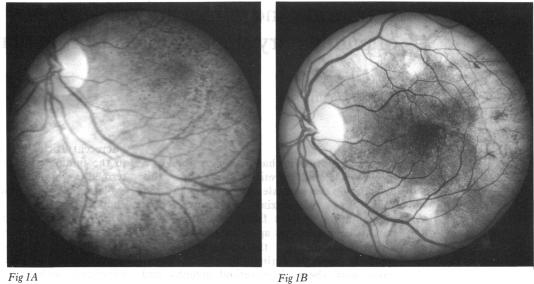
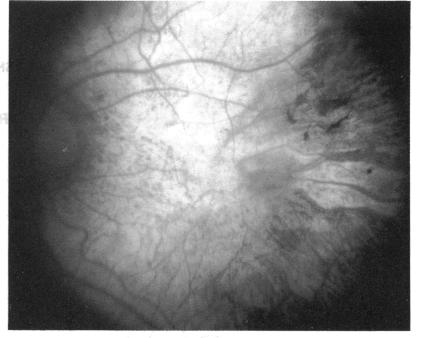
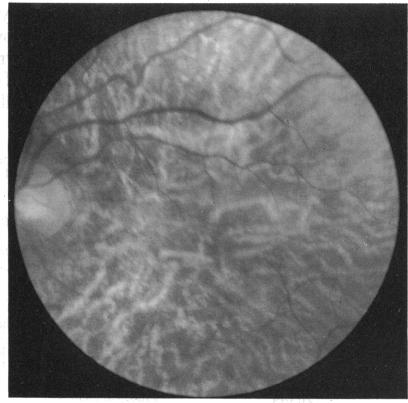
Thioridazine toxicity has been described as a 'progressive chorioretinopathy', but this designation can be misleading. During the first year after thioridazine exposure retinal pigmentation evolves from a granular to a patchy or nummular appearance. However, visual function and the electroretinogram typically improve during this period. Some cases may show chorioretinal atrophy and functional loss many years later, but there is little evidence for ongoing drug-related progression. Late atrophy may represent degeneration of cells that were injured subclinically at the time of initial drug exposure. Although thioridazine toxicity produces an evolving pigmentary disturbance, functional changes must be monitored independently of fundus appearance.
硫利达嗪毒性被描述为一种“进行性脉络膜视网膜病变”,但这一名称可能会产生误导。在接触硫利达嗪后的第一年,视网膜色素沉着从颗粒状发展为斑片状或钱币状外观。然而,在此期间视觉功能和视网膜电图通常会改善。一些病例可能在多年后出现脉络膜视网膜萎缩和功能丧失,但几乎没有证据表明存在与药物相关的持续进展。晚期萎缩可能代表在最初接触药物时受到亚临床损伤的细胞发生退变。尽管硫利达嗪毒性会导致不断演变的色素沉着紊乱,但功能变化必须独立于眼底外观进行监测。