Department of Engineering and Design, School of Engineering and Informatics, University of Sussex, Brighton BN1 9QT, UK.
Sensors (Basel). 2012;12(5):5650-69. doi: 10.3390/s120505650. Epub 2012 May 2.
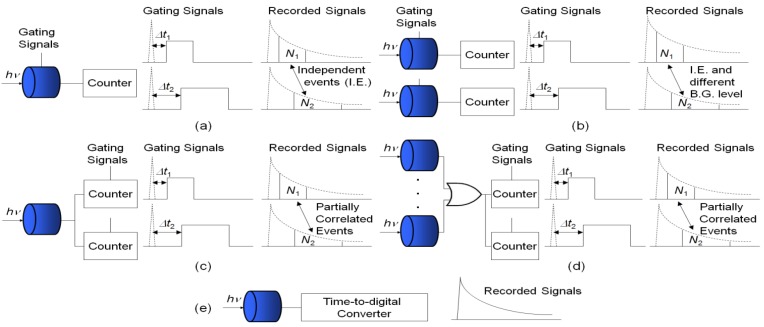
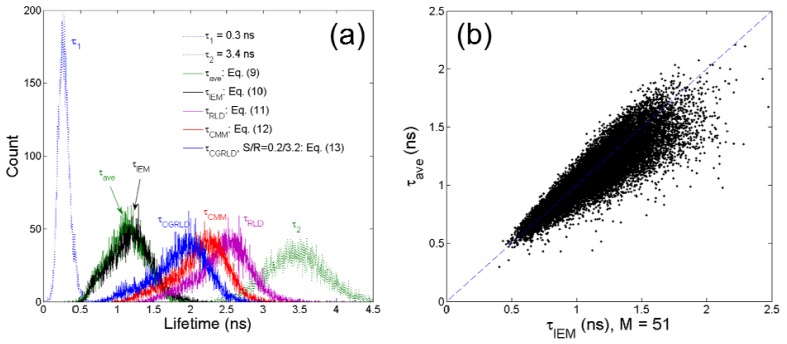
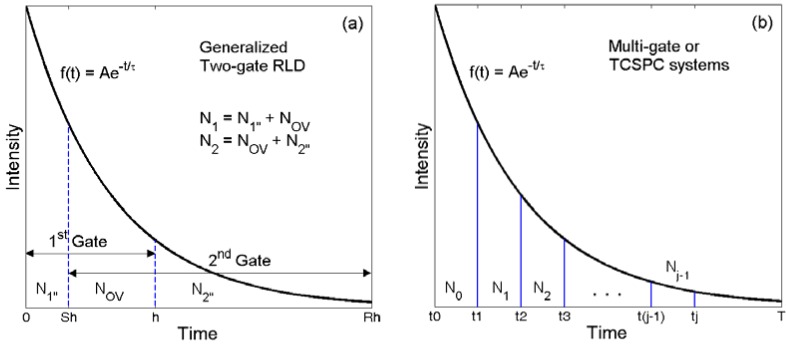
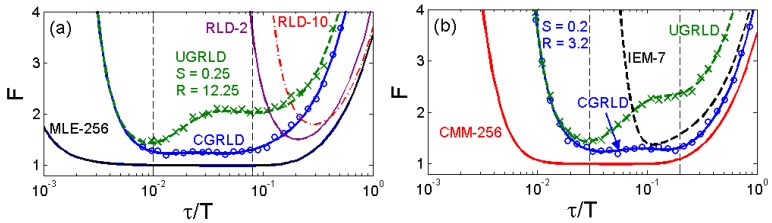
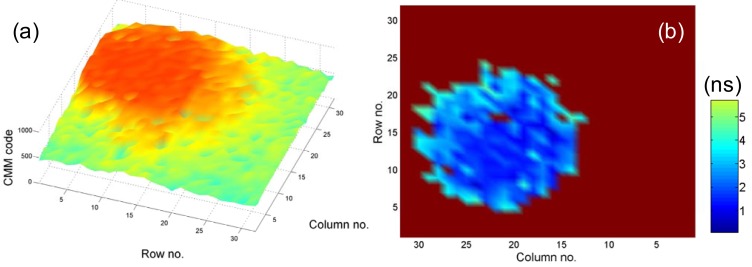
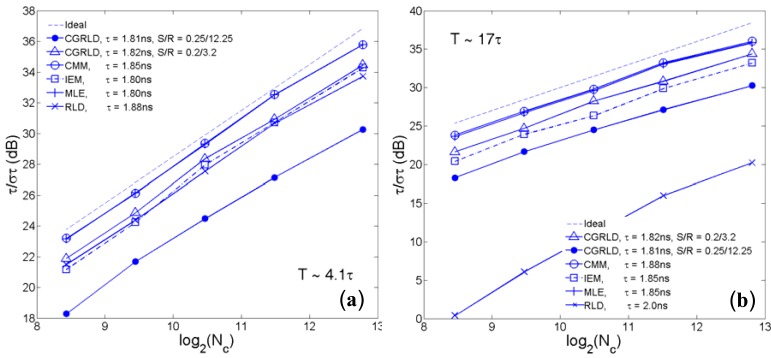
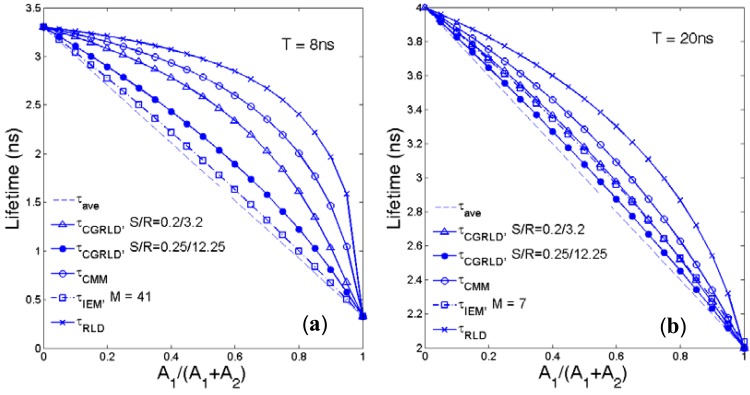
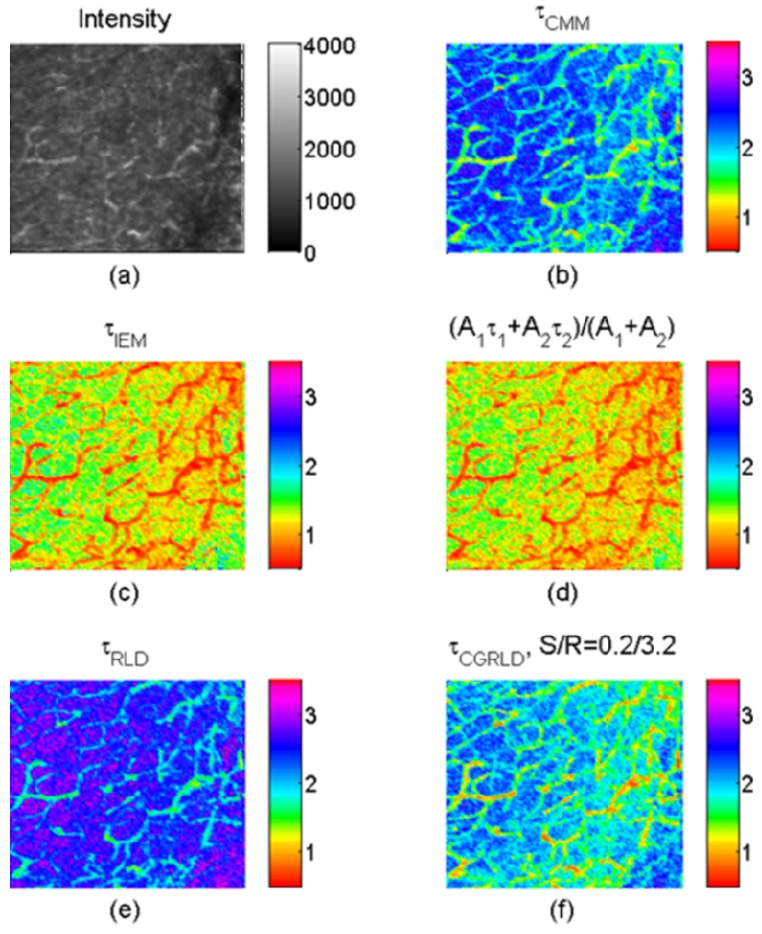
We have successfully demonstrated video-rate CMOS single-photon avalanche diode (SPAD)-based cameras for fluorescence lifetime imaging microscopy (FLIM) by applying innovative FLIM algorithms. We also review and compare several time-domain techniques and solid-state FLIM systems, and adapt the proposed algorithms for massive CMOS SPAD-based arrays and hardware implementations. The theoretical error equations are derived and their performances are demonstrated on the data obtained from 0.13 μm CMOS SPAD arrays and the multiple-decay data obtained from scanning PMT systems. In vivo two photon fluorescence lifetime imaging data of FITC-albumin labeled vasculature of a P22 rat carcinosarcoma (BD9 rat window chamber) are used to test how different algorithms perform on bi-decay data. The proposed techniques are capable of producing lifetime images with enough contrast.
我们成功地展示了应用创新的荧光寿命成像显微镜 (FLIM) 算法的视频速率 CMOS 单光子雪崩二极管 (SPAD) 相机。我们还回顾和比较了几种时域技术和固态 FLIM 系统,并将提出的算法应用于大规模 CMOS SPAD 阵列和硬件实现。推导了理论误差方程,并在从 0.13μm CMOS SPAD 阵列获得的数据和从扫描 PMT 系统获得的多衰减数据上验证了它们的性能。使用 P22 大鼠癌肉瘤 (BD9 大鼠窗室) 的 FITC-白蛋白标记脉管系统的体内双光子荧光寿命成像数据来测试不同算法在双衰减数据上的性能。所提出的技术能够产生具有足够对比度的寿命图像。