Department of Immunology, Interfaculty Institute for Cell Biology, University of Tuebingen, Tuebingen, Germany.
BMC Vet Res. 2012 Jul 18;8:114. doi: 10.1186/1746-6148-8-114.
The Orf virus (ORFV), a zoonotic Parapoxvirus, causes pustular skin lesions in small ruminants (goat and sheep). Intriguingly, ORFV can repeatedly infect its host, despite the induction of a specific immunity. These immune modulating and immune evading properties are still unexplained.
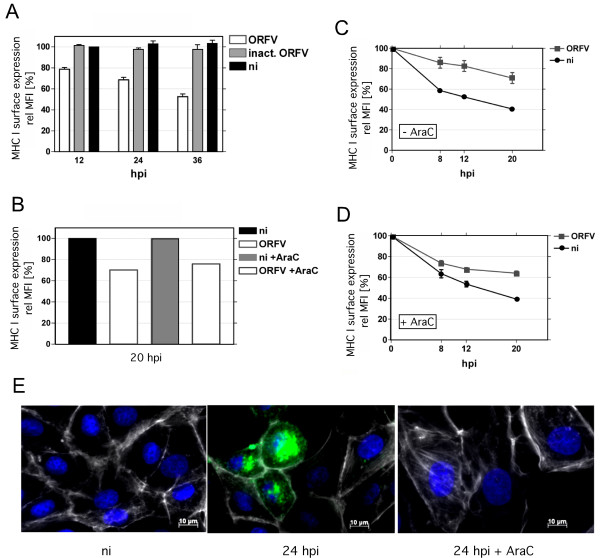
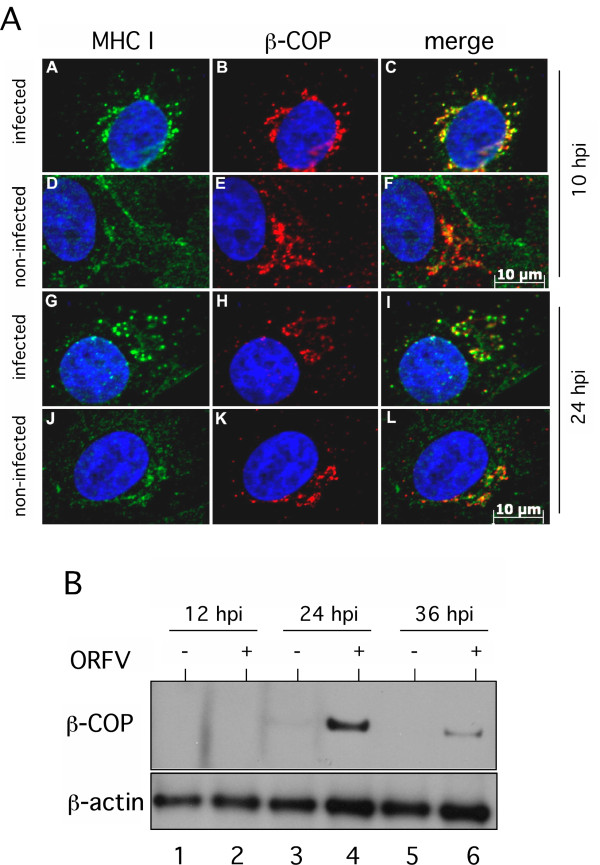
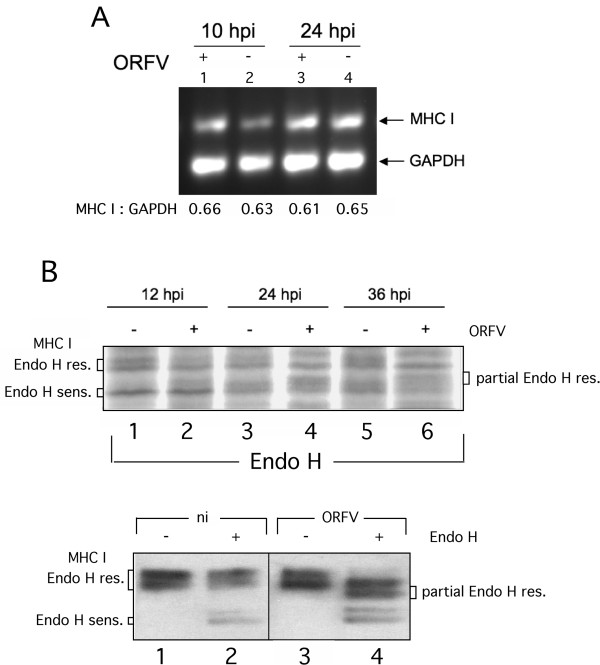
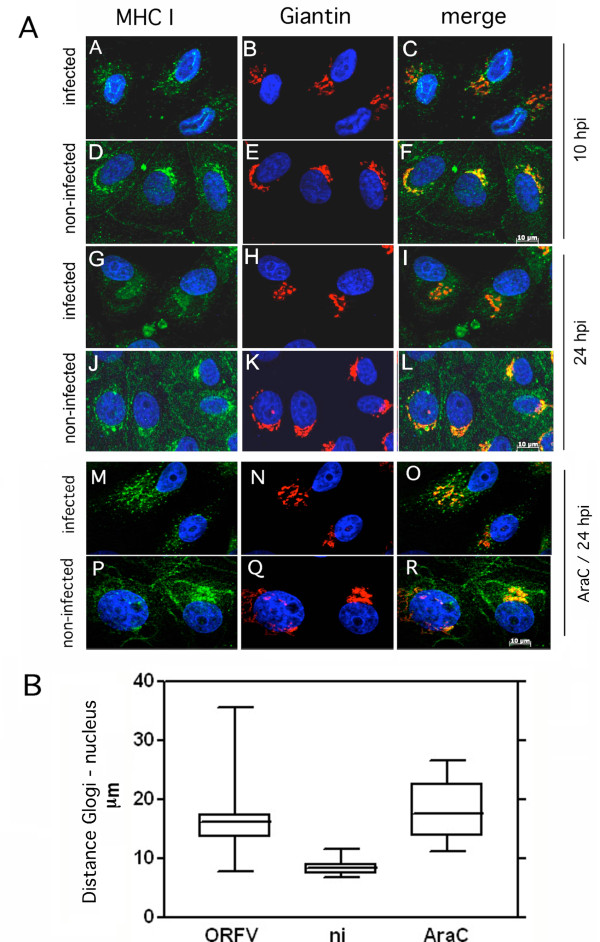
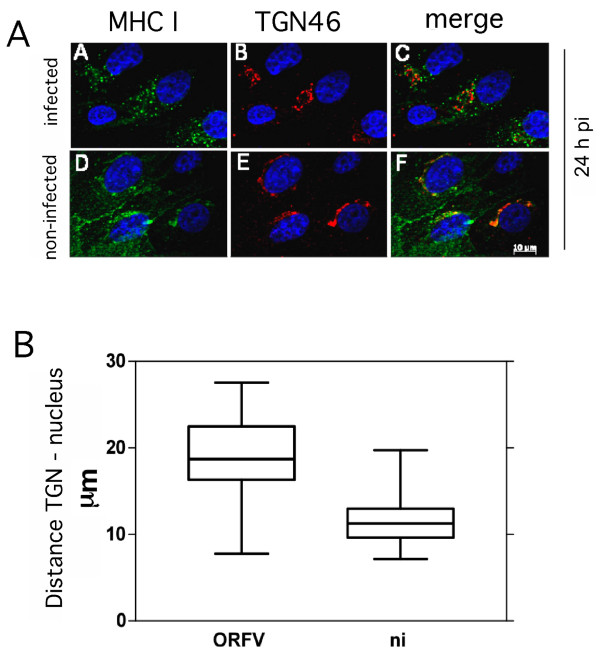
Here, we describe that ORFV infection of permissive cells impairs the intracellular transport of MHC class I molecules (MHC I) as a result of structural disruption and fragmentation of the Golgi apparatus. Depending on the duration of infection, we observed a pronounced co-localization of MHC I and COP-I vesicular structures as well as a reduction of MHC I surface expression of up to 50%. These subversion processes are associated with early ORFV gene expression and are accompanied by disturbed carbohydrate trimming of post-ER MHC I. The MHC I population remaining on the cell surface shows an extended half-life, an effect that might be partially controlled also by late ORFV genes.
The presented data demonstrate that ORFV down-regulates MHC I surface expression in infected cells by targeting the late vesicular export machinery and the structure and function of the Golgi apparatus, which might aid to escape cellular immune recognition.
口疮病毒(ORFV),一种人畜共患的副痘病毒,会导致小反刍动物(山羊和绵羊)出现脓疱性皮肤损伤。有趣的是,ORFV 能够反复感染宿主,尽管会诱导产生特异性免疫。这些免疫调节和免疫逃避特性仍未得到解释。
在这里,我们描述了 ORFV 感染允许的细胞会破坏高尔基体的结构,导致 MHC I 分子(MHC I)的细胞内运输受损。根据感染时间的长短,我们观察到 MHC I 和 COP-I 囊泡结构的明显共定位,以及 MHC I 表面表达减少多达 50%。这些颠覆过程与早期 ORFV 基因表达相关,并伴随着 ER 后 MHC I 的糖基化修饰紊乱。细胞表面上剩余的 MHC I 群体具有延长的半衰期,这种效应可能部分也受到晚期 ORFV 基因的控制。
本研究数据表明,ORFV 通过靶向晚期囊泡输出机制以及高尔基体的结构和功能,下调感染细胞表面的 MHC I 表达,这可能有助于逃避细胞免疫识别。