Division of Infectious Diseases and Immunology, Department of Medicine, University of Massachusetts Medical School, Worcester, MA 01605, USA.
Cell. 2012 Aug 3;150(3):606-19. doi: 10.1016/j.cell.2012.07.007. Epub 2012 Jul 19.
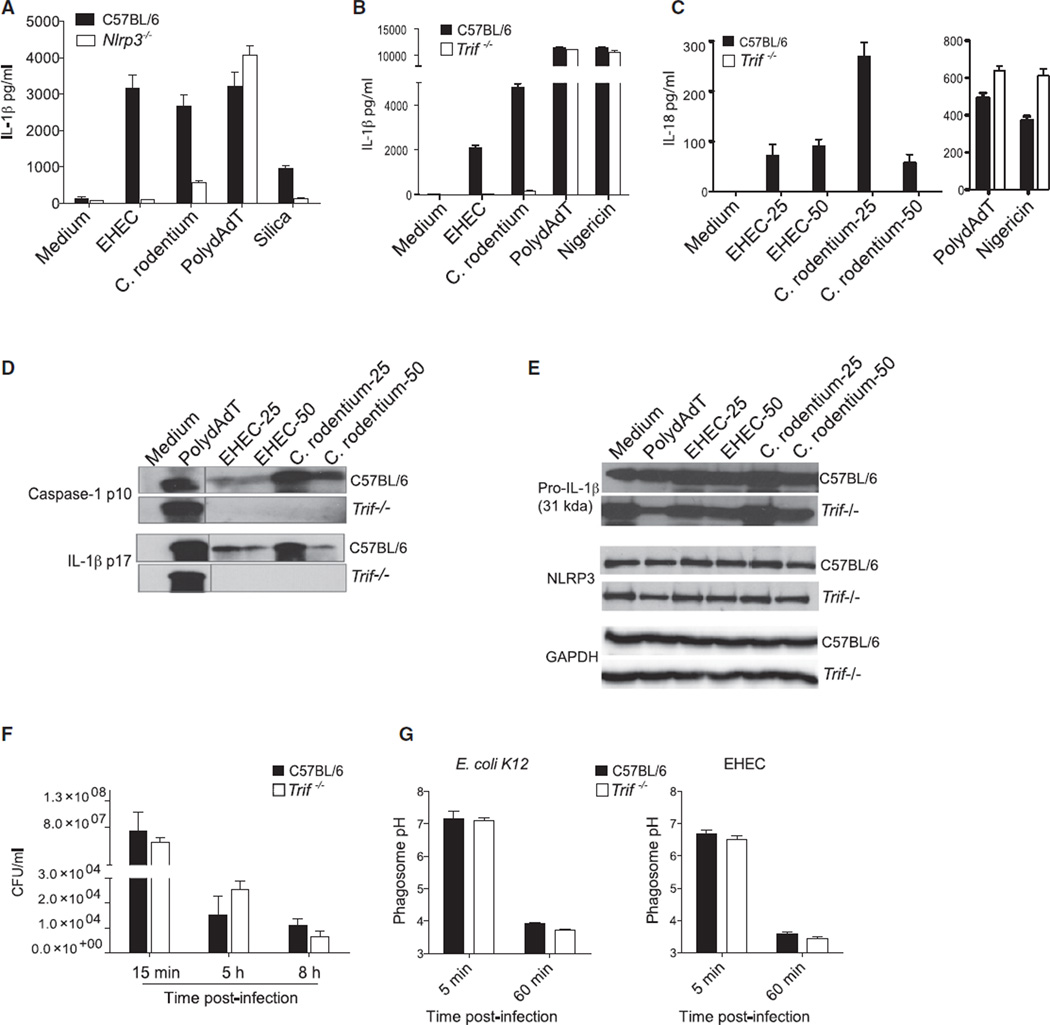
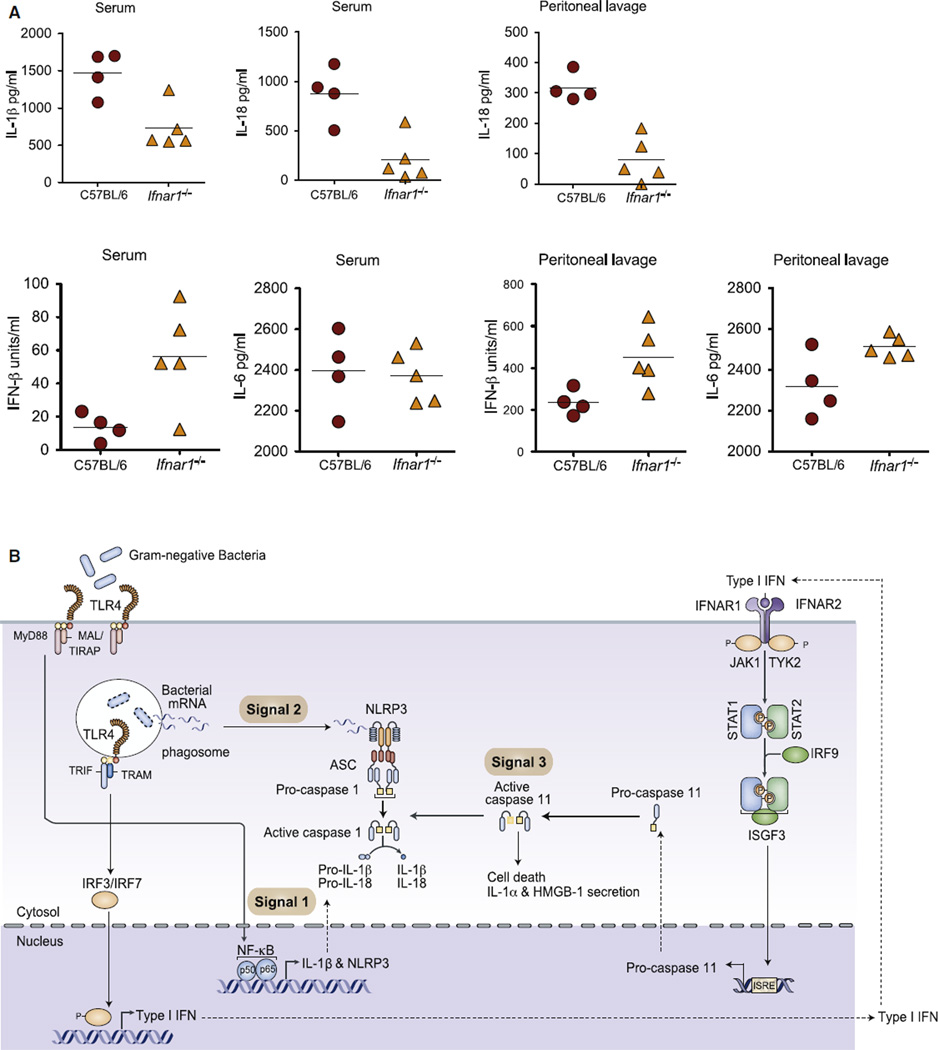
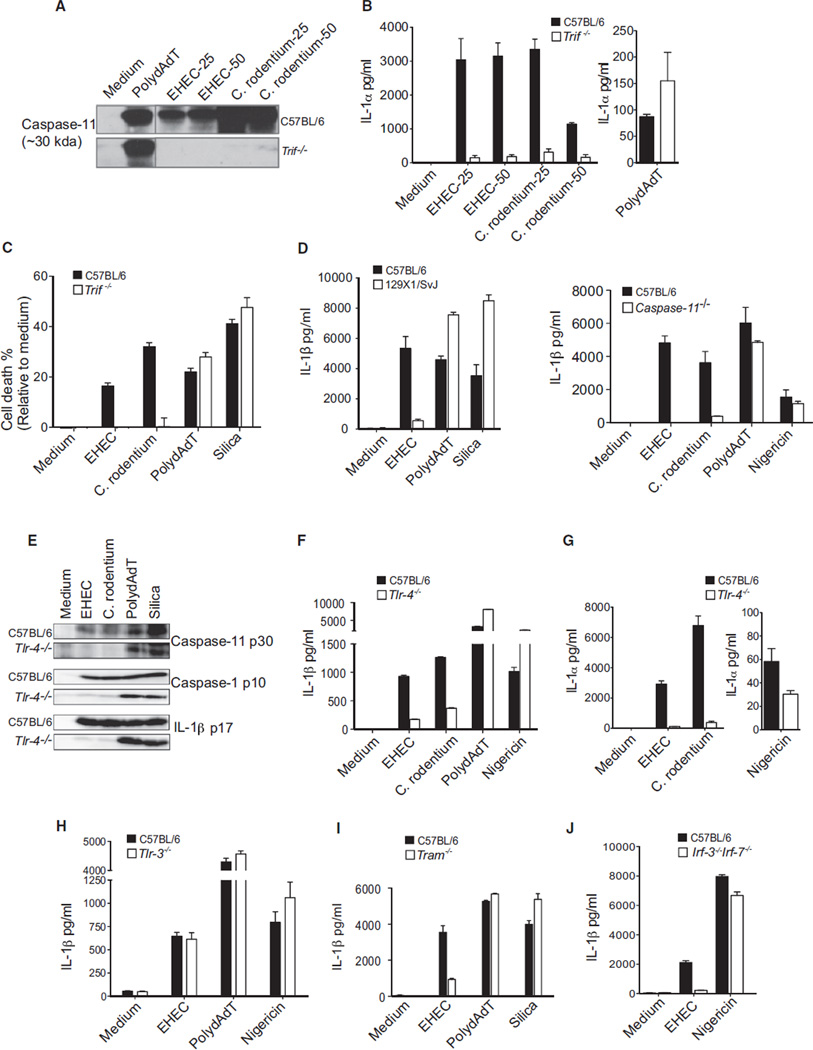
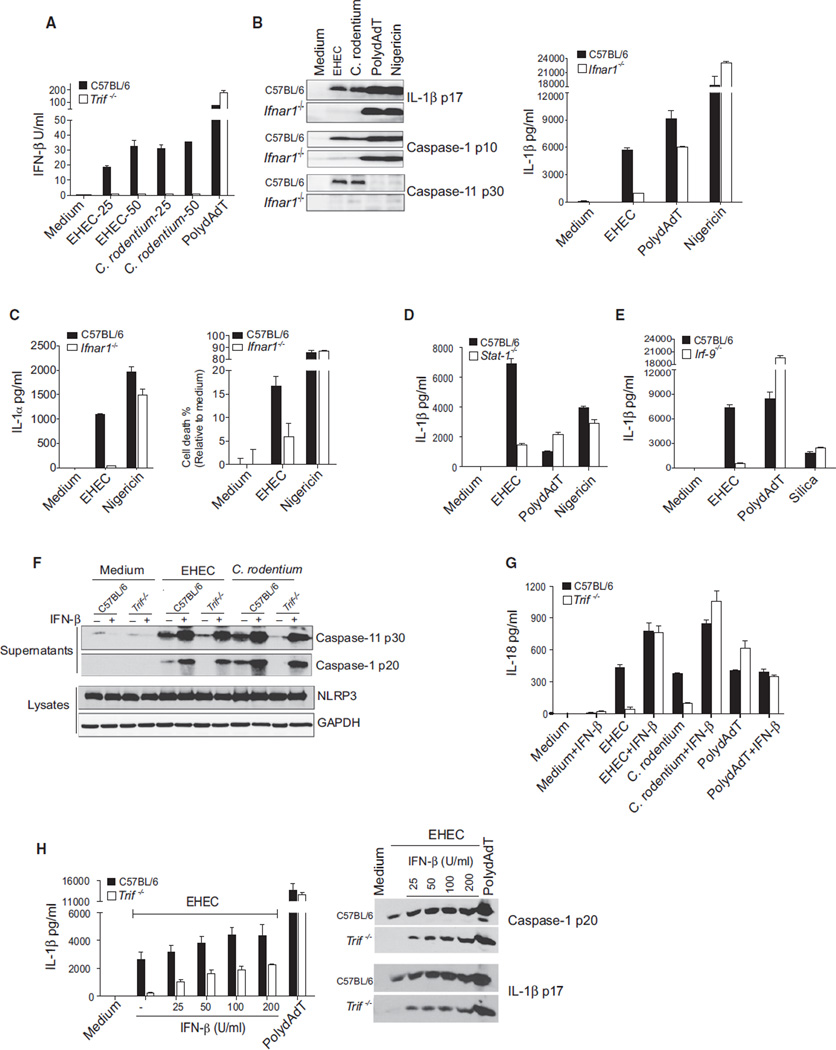
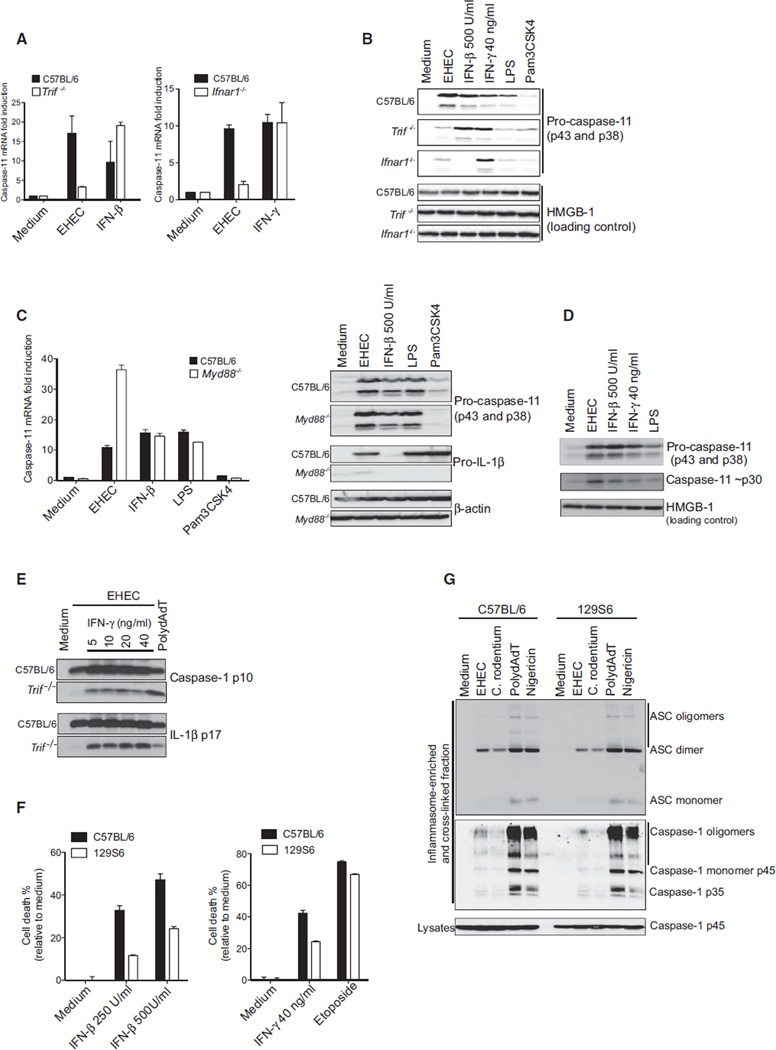
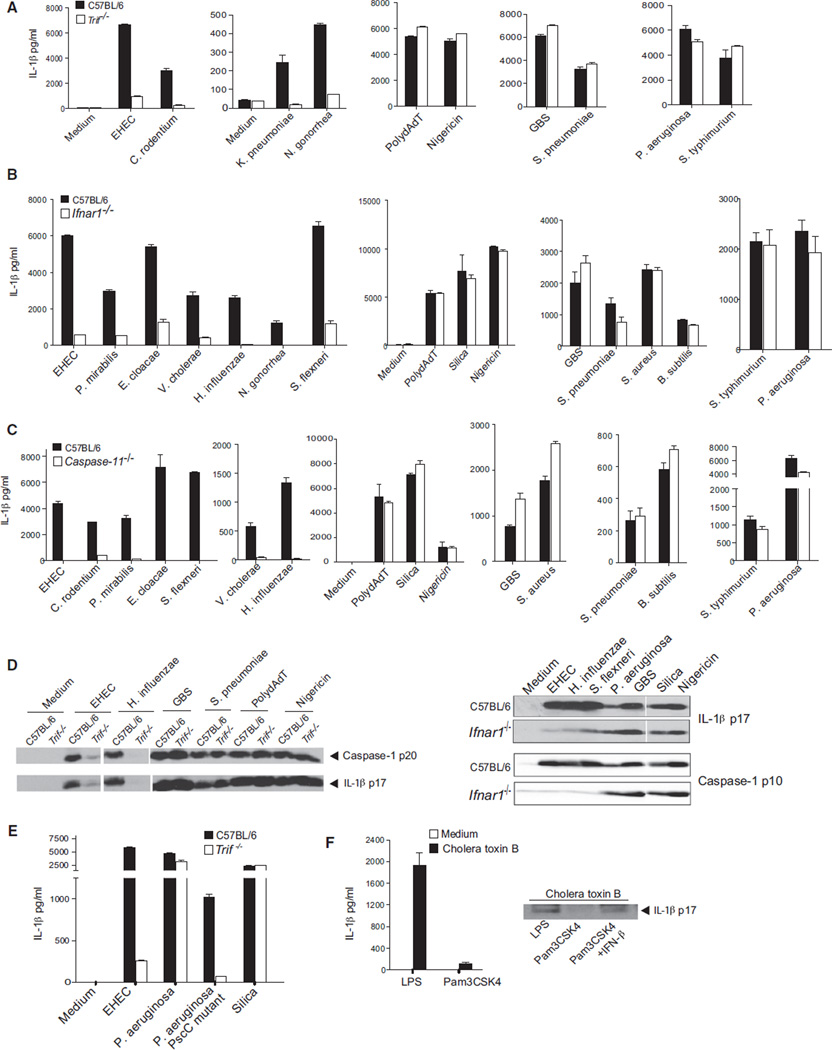
Systemic infections with Gram-negative bacteria are characterized by high mortality rates due to the "sepsis syndrome," a widespread and uncontrolled inflammatory response. Though it is well recognized that the immune response during Gram-negative bacterial infection is initiated after the recognition of endotoxin by Toll-like receptor 4, the molecular mechanisms underlying the detrimental inflammatory response during Gram-negative bacteremia remain poorly defined. Here, we identify a TRIF pathway that licenses NLRP3 inflammasome activation by all Gram-negative bacteria. By engaging TRIF, Gram-negative bacteria activate caspase-11. TRIF activates caspase-11 via type I IFN signaling, an event that is both necessary and sufficient for caspase-11 induction and autoactivation. Caspase-11 subsequently synergizes with the assembled NLRP3 inflammasome to regulate caspase-1 activation and leads to caspase-1-independent cell death. These events occur specifically during infection with Gram-negative, but not Gram-positive, bacteria. The identification of TRIF as a regulator of caspase-11 underscores the importance of TLRs as master regulators of inflammasomes during Gram-negative bacterial infection.
革兰氏阴性菌引起的全身感染的特点是死亡率高,这是由于“败血症综合征”,即广泛和失控的炎症反应。虽然人们已经认识到,革兰氏阴性菌感染期间的免疫反应是在 Toll 样受体 4 识别内毒素后开始的,但革兰氏阴性菌血症期间有害炎症反应的分子机制仍未得到明确定义。在这里,我们确定了一种 TRIF 途径,该途径允许所有革兰氏阴性菌激活 NLRP3 炎性体。通过与 TRIF 结合,革兰氏阴性菌激活半胱天冬酶-11。TRIF 通过 I 型 IFN 信号转导激活半胱天冬酶-11,这是 caspase-11 诱导和自动激活所必需和充分的事件。随后,半胱天冬酶-11 与组装好的 NLRP3 炎性体协同作用,调节半胱天冬酶-1 的激活,并导致半胱天冬酶-1 非依赖性细胞死亡。这些事件仅在感染革兰氏阴性菌,而不是革兰氏阳性菌时发生。TRIF 作为半胱天冬酶-11 的调节剂的鉴定强调了 TLR 在革兰氏阴性菌感染期间作为炎性体的主调节剂的重要性。