University of Reading, School of Pharmacy, Reading, Berkshire, RG6 6UB, UK.
Drug Discov Today. 2013 Jan;18(1-2):79-86. doi: 10.1016/j.drudis.2012.07.012. Epub 2012 Jul 27.
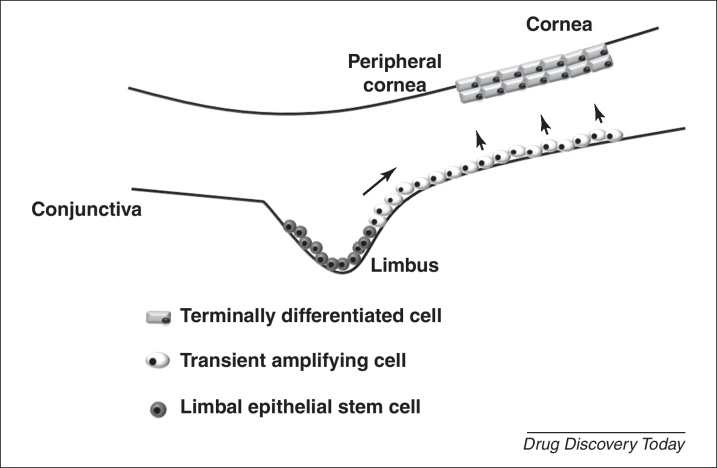
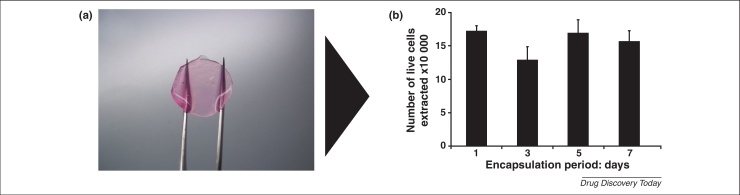
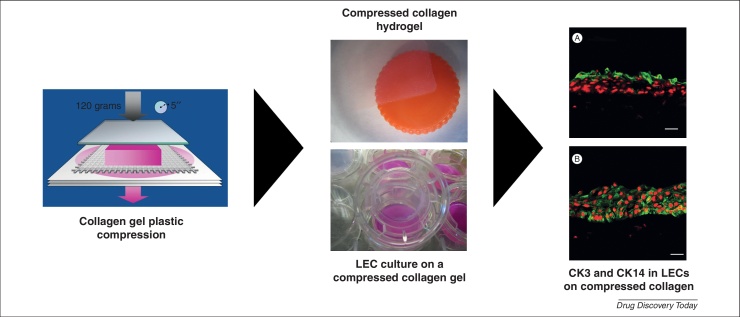
Corneal blindness caused by limbal stem cell deficiency (LSCD) is a prevailing disorder worldwide. Clinical outcomes for LSCD therapy using amniotic membrane (AM) are unpredictable. Hydrogels can eliminate limitations of standard therapy for LSCD, because they present all the advantages of AM (i.e. biocompatibility, inertness and a biodegradable structure) but unlike AM, they are structurally uniform and can be easily manipulated to alter mechanical and physical properties. Hydrogels can be delivered with minimum trauma to the ocular surface and do not require extensive serological screening before clinical application. The hydrogel structure is also amenable to modifications which direct stem cell fate. In this focussed review we highlight hydrogels as biomaterial substrates which may replace and/or complement AM in the treatment of LSCD.
由角膜缘干细胞缺乏症 (LSCD) 引起的角膜盲是一种全球性的流行疾病。使用羊膜 (AM) 的 LSCD 治疗的临床结果是不可预测的。水凝胶可以消除 LSCD 标准治疗的局限性,因为它们具有 AM 的所有优点(即生物相容性、惰性和可生物降解的结构),但与 AM 不同的是,它们结构均匀,可以轻松操作以改变机械和物理性能。水凝胶可以以最小的创伤递送到眼表面,并且在临床应用前不需要广泛的血清学筛选。水凝胶结构也适合于指导干细胞命运的修饰。在本次重点综述中,我们强调了水凝胶作为生物材料基质,它可以替代和/或补充 AM 在 LSCD 治疗中的作用。