Dorris Neuroscience Center and Department of Cell Biology, The Scripps Research Institute, 10550 North Torrey Pines Road, La Jolla, CA 92037, USA.
Science. 2012 Aug 10;337(6095):746-9. doi: 10.1126/science.1223616.
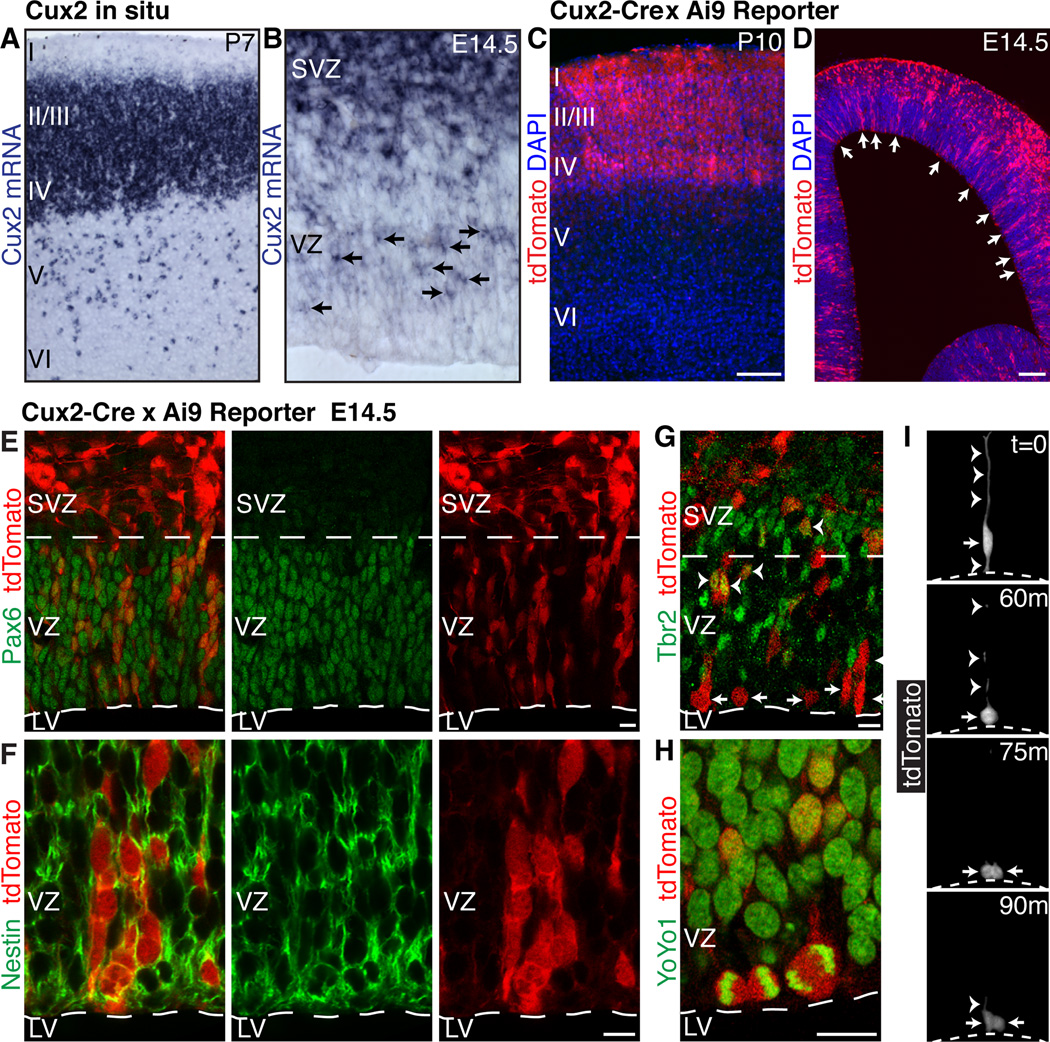
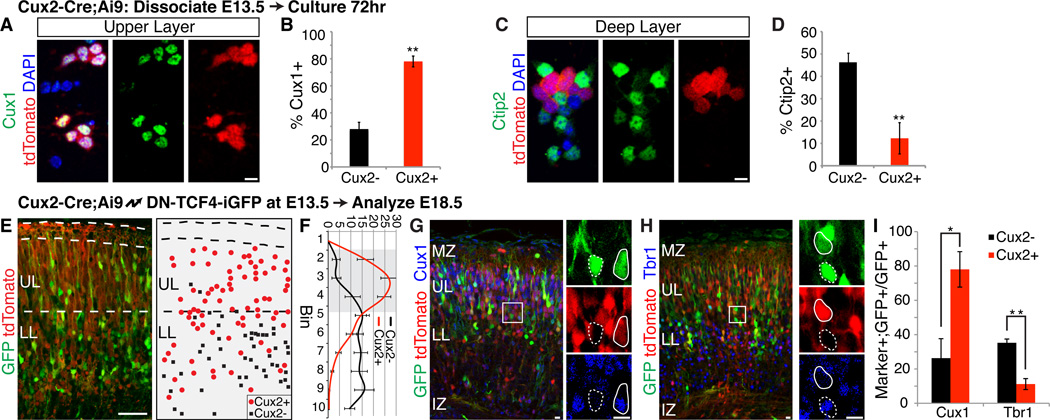
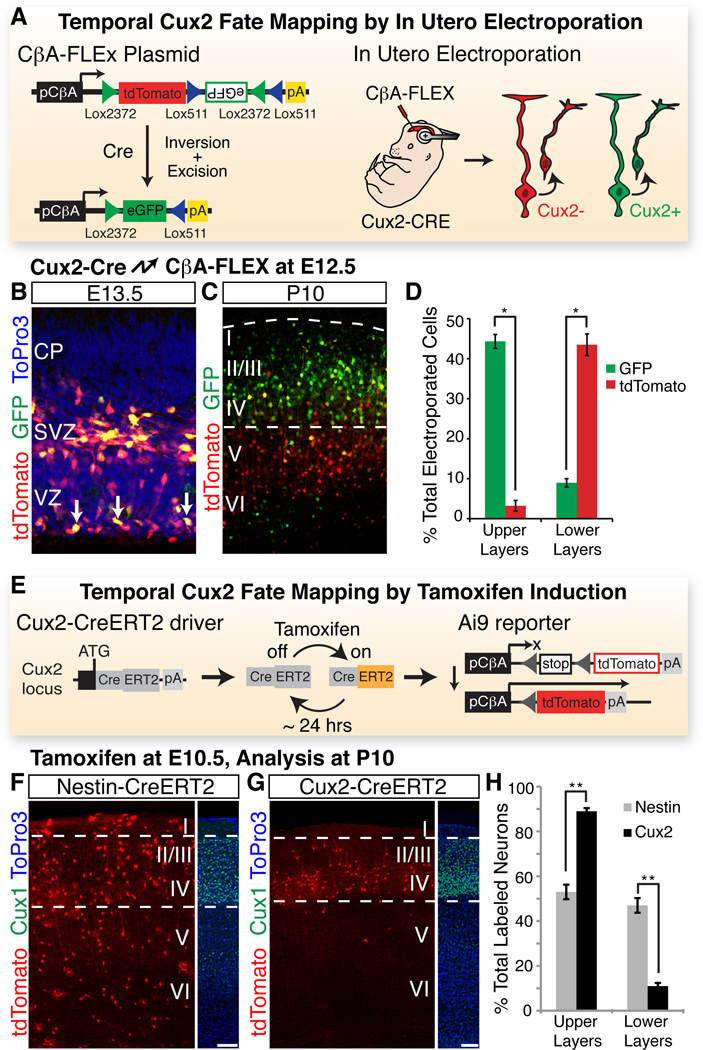
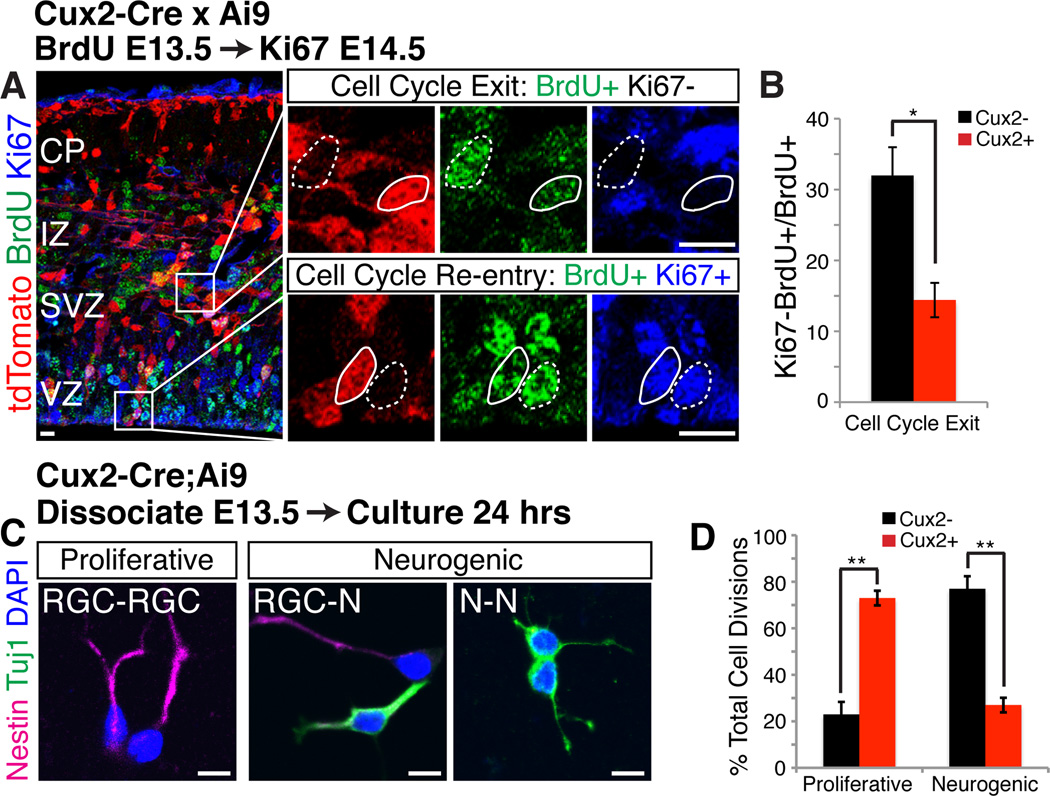
During development of the mammalian cerebral cortex, radial glial cells (RGCs) generate layer-specific subtypes of excitatory neurons in a defined temporal sequence, in which lower-layer neurons are formed before upper-layer neurons. It has been proposed that neuronal subtype fate is determined by birthdate through progressive restriction of the neurogenic potential of a common RGC progenitor. Here, we demonstrate that the murine cerebral cortex contains RGC sublineages with distinct fate potentials. Using in vivo genetic fate mapping and in vitro clonal analysis, we identified an RGC lineage that is intrinsically specified to generate only upper-layer neurons, independently of niche and birthdate. Because upper cortical layers were expanded during primate evolution, amplification of this RGC pool may have facilitated human brain evolution.
在哺乳动物大脑皮层的发育过程中,放射状胶质细胞(RGCs)按照特定的时间顺序产生具有层特异性的兴奋性神经元亚型,其中较低层的神经元先于较高层的神经元形成。有人提出,神经元亚型命运是通过共同的 RGC 前体细胞的神经发生潜力的逐渐限制来由出生日期决定的。在这里,我们证明了小鼠大脑皮层中存在具有不同命运潜力的 RGC 亚系。通过体内遗传命运图谱和体外克隆分析,我们鉴定出一个 RGC 谱系,它本质上被指定为仅产生上层神经元,而与小生境和出生日期无关。由于灵长类动物进化过程中上层大脑皮层扩张,这种 RGC 池的扩增可能促进了人类大脑的进化。