Nanotesla Institute, Ljubljana, Slovenia.
Radiol Oncol. 2011 Mar;45(1):1-16. doi: 10.2478/v10019-011-0001-z. Epub 2011 Jan 19.
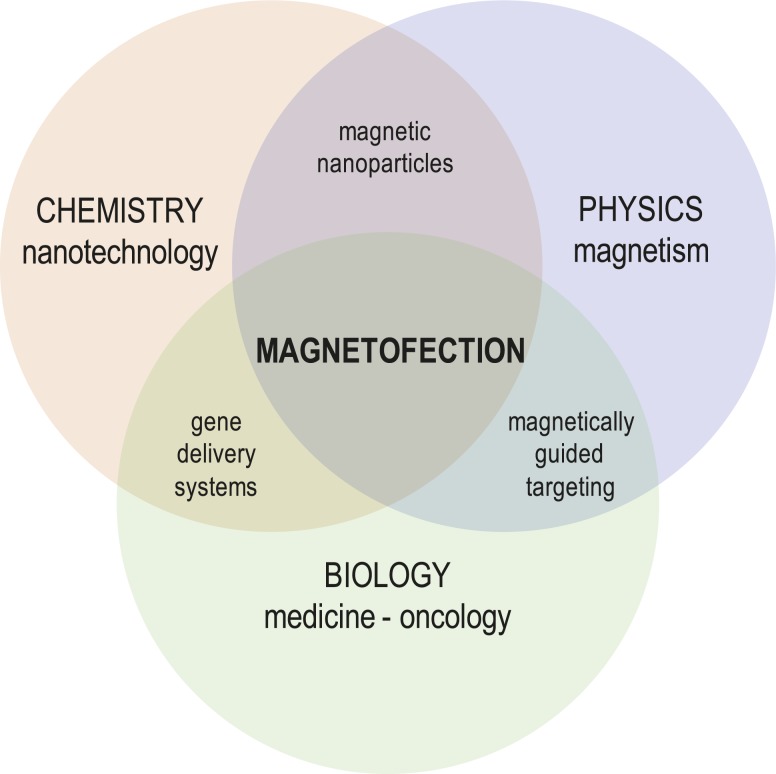
Many different types of nanoparticles, magnetic nanoparticles being just a category among them, offer exciting opportunities for technologies at the interfaces between chemistry, physics and biology. Some magnetic nanoparticles have already been utilized in clinical practice as contrast enhancing agents for magnetic resonance imaging (MRI). However, their physicochemical properties are constantly being improved upon also for other biological applications, such as magnetically-guided delivery systems for different therapeutics. By exposure of magnetic nanoparticles with attached therapeutics to an external magnetic field with appropriate characteristics, they are concentrated and retained at the preferred site which enables the targeted delivery of therapeutics to the desired spot.
The idea of binding chemotherapeutics to magnetic nanoparticles has been around for 30 years, however, no magnetic nanoparticles as delivery systems have yet been approved for clinical practice. Recently, binding of nucleic acids to magnetic nanoparticles has been demonstrated as a successful non-viral transfection method of different cell lines in vitro. With the optimization of this method called magnetofection, it will hopefully become another form of gene delivery for the treatment of cancer.
许多不同类型的纳米粒子,磁性纳米粒子只是其中的一类,为化学、物理和生物学之间的界面技术提供了令人兴奋的机会。一些磁性纳米粒子已经在临床实践中用作磁共振成像(MRI)的对比增强剂。然而,它们的物理化学性质也在不断改进,以用于其他生物学应用,如用于不同治疗方法的磁性引导输送系统。通过将附有治疗剂的磁性纳米粒子暴露于具有适当特性的外部磁场中,可以将它们集中并保留在首选部位,从而实现治疗剂的靶向输送。
将化疗药物与磁性纳米粒子结合的想法已经存在了 30 年,然而,还没有任何作为输送系统的磁性纳米粒子被批准用于临床实践。最近,已经证明将核酸与磁性纳米粒子结合是体外不同细胞系的成功的非病毒转染方法。通过对这种称为磁转染的方法进行优化,它有望成为治疗癌症的另一种基因输送形式。