AA Martinos Center, Harvard Medical School, Massachusetts General Hospital, Charlestown, Massachusetts, United States of America.
PLoS One. 2012;7(9):e41187. doi: 10.1371/journal.pone.0041187. Epub 2012 Sep 12.
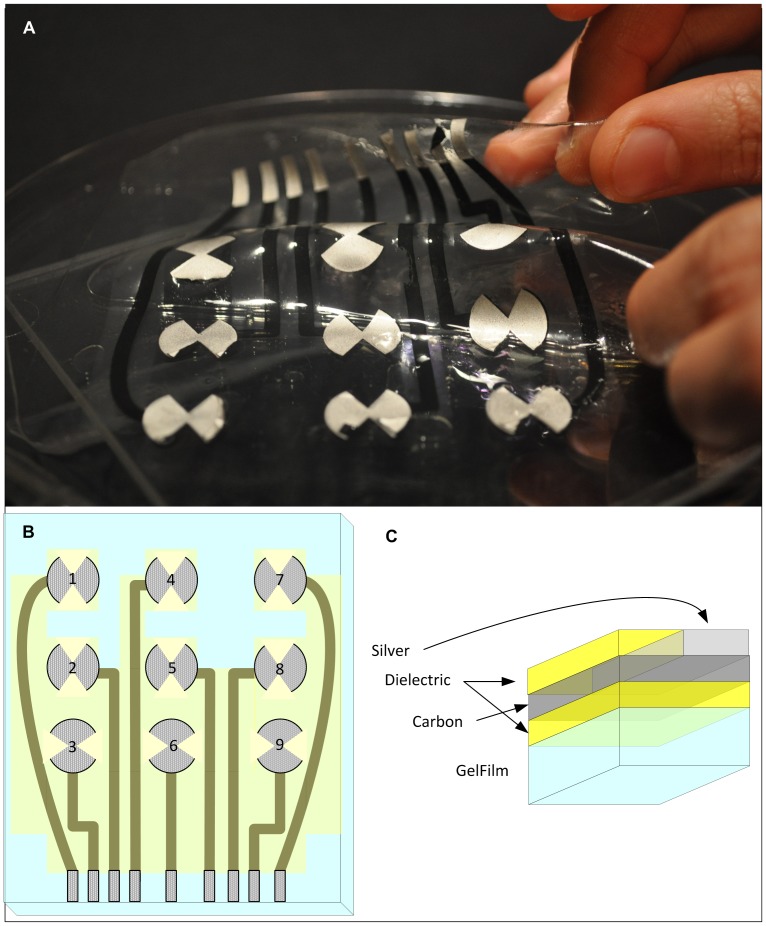
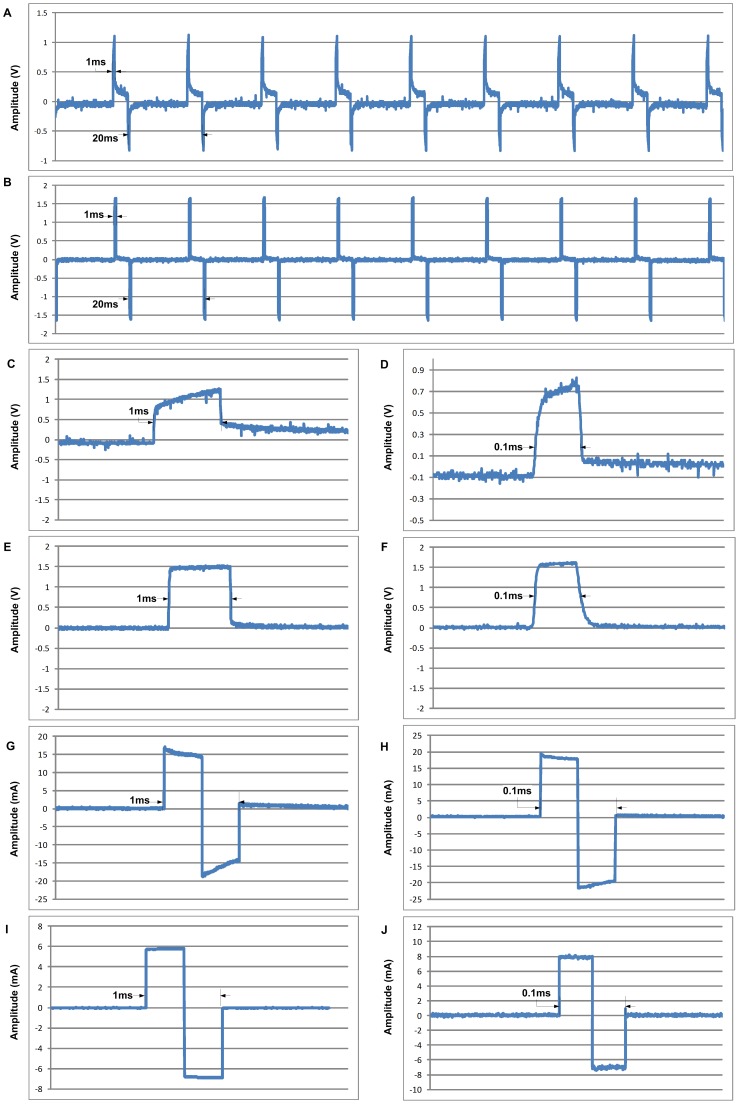
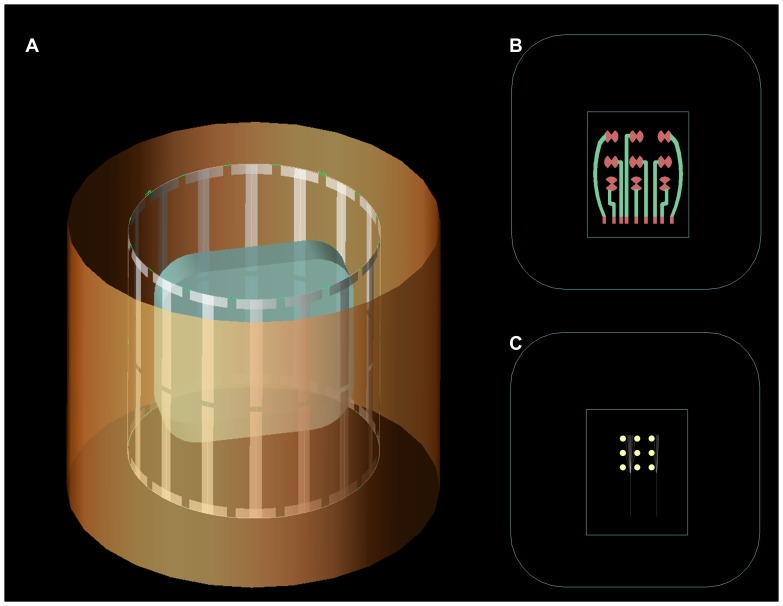
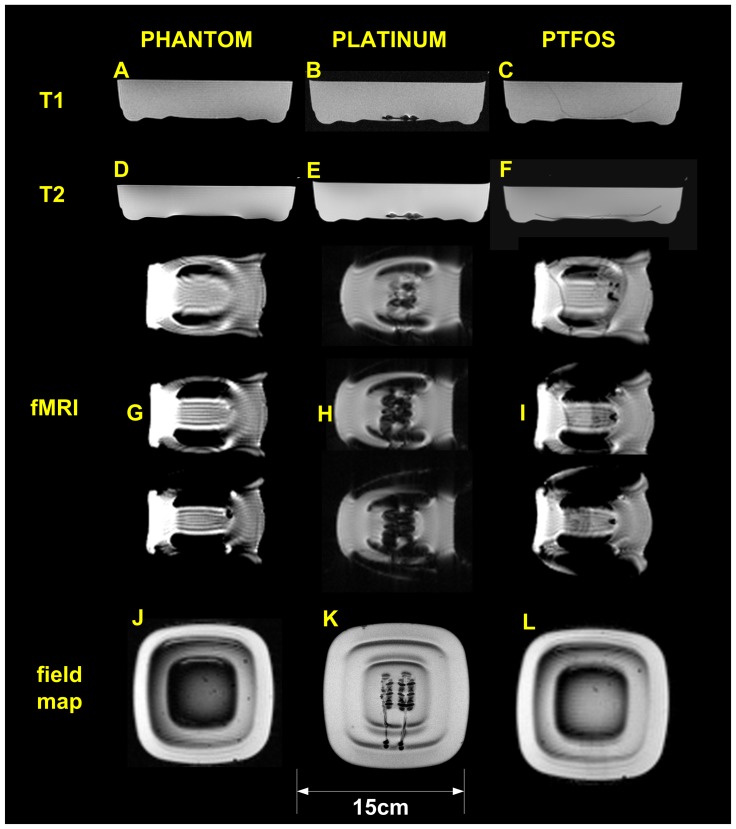
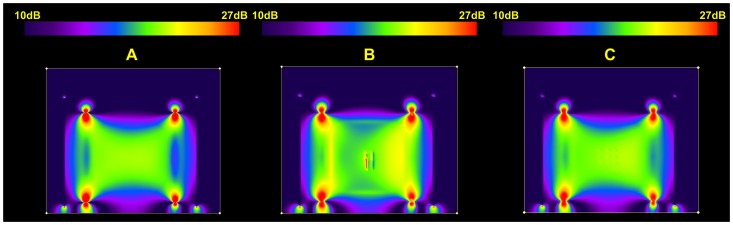
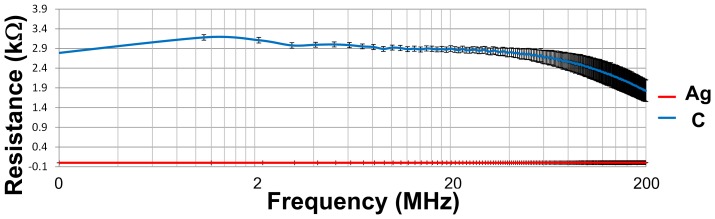
Intracranial electrocortical recording and stimulation can provide unique knowledge about functional brain anatomy in patients undergoing brain surgery. This approach is commonly used in the treatment of medically refractory epilepsy. However, it can be very difficult to integrate the results of cortical recordings with other brain mapping modalities, particularly functional magnetic resonance imaging (fMRI). The ability to integrate imaging and electrophysiological information with simultaneous subdural electrocortical recording/stimulation and fMRI could offer significant insight for cognitive and systems neuroscience as well as for clinical neurology, particularly for patients with epilepsy or functional disorders. However, standard subdural electrodes cause significant artifact in MRI images, and concerns about risks such as cortical heating have generally precluded obtaining MRI in patients with implanted electrodes. We propose an electrode set based on polymer thick film organic substrate (PTFOS), an organic absorbable, flexible and stretchable electrode grid for intracranial use. These new types of MRI transparent intracranial electrodes are based on nano-particle ink technology that builds on our earlier development of an EEG/fMRI electrode set for scalp recording. The development of MRI-compatible recording/stimulation electrodes with a very thin profile could allow functional mapping at the individual subject level of the underlying feedback and feed forward networks. The thin flexible substrate would allow the electrodes to optimally contact the convoluted brain surface. Performance properties of the PTFOS were assessed by MRI measurements, finite difference time domain (FDTD) simulations, micro-volt recording, and injecting currents using standard electrocortical stimulation in phantoms. In contrast to the large artifacts exhibited with standard electrode sets, the PTFOS exhibited no artifact due to the reduced amount of metal and conductivity of the electrode/trace ink and had similar electrical properties to a standard subdural electrode set. The enhanced image quality could enable routine MRI exams of patients with intracranial electrode implantation and could also lead to chronic implantation solutions.
颅内电皮质记录和刺激可以为接受脑部手术的患者提供有关功能大脑解剖结构的独特知识。这种方法常用于治疗药物难治性癫痫。然而,将皮质记录的结果与其他脑图谱模式(尤其是功能磁共振成像(fMRI))整合起来非常困难。能够将成像和电生理信息与同步的硬膜下电皮质记录/刺激和 fMRI 整合在一起,可以为认知和系统神经科学以及临床神经学提供重要的见解,特别是对于患有癫痫或功能障碍的患者。然而,标准的硬膜下电极会在 MRI 图像中产生显著的伪影,并且对诸如皮质加热等风险的担忧通常会排除对植入电极的患者进行 MRI 检查。我们提出了一种基于聚合物厚膜有机基底(PTFOS)的电极套件,这是一种用于颅内使用的可吸收、柔性和可拉伸的电极网格。这些新型的 MRI 透明颅内电极基于纳米粒子油墨技术,该技术建立在我们之前开发的头皮记录的 EEG/fMRI 电极套件的基础上。具有非常薄的外形的 MRI 兼容记录/刺激电极的开发,可以在个体主体水平下实现底层反馈和前馈网络的功能映射。薄而灵活的基底将使电极能够最佳地接触大脑的卷曲表面。通过 MRI 测量、有限差分时域(FDTD)模拟、微伏记录和在幻象中使用标准电皮质刺激注入电流来评估 PTFOS 的性能特性。与标准电极套件显示的大伪影相比,PTFOS 由于电极/迹线油墨的金属量和电导率减少而没有伪影,并且具有与标准硬膜下电极套件相似的电性能。增强的图像质量可以使颅内电极植入患者进行常规 MRI 检查,也可以为慢性植入解决方案提供可能。