Wadsworth Center, New York State Department of Health, Albany, New York, United States of America.
PLoS One. 2012;7(9):e44841. doi: 10.1371/journal.pone.0044841. Epub 2012 Sep 27.
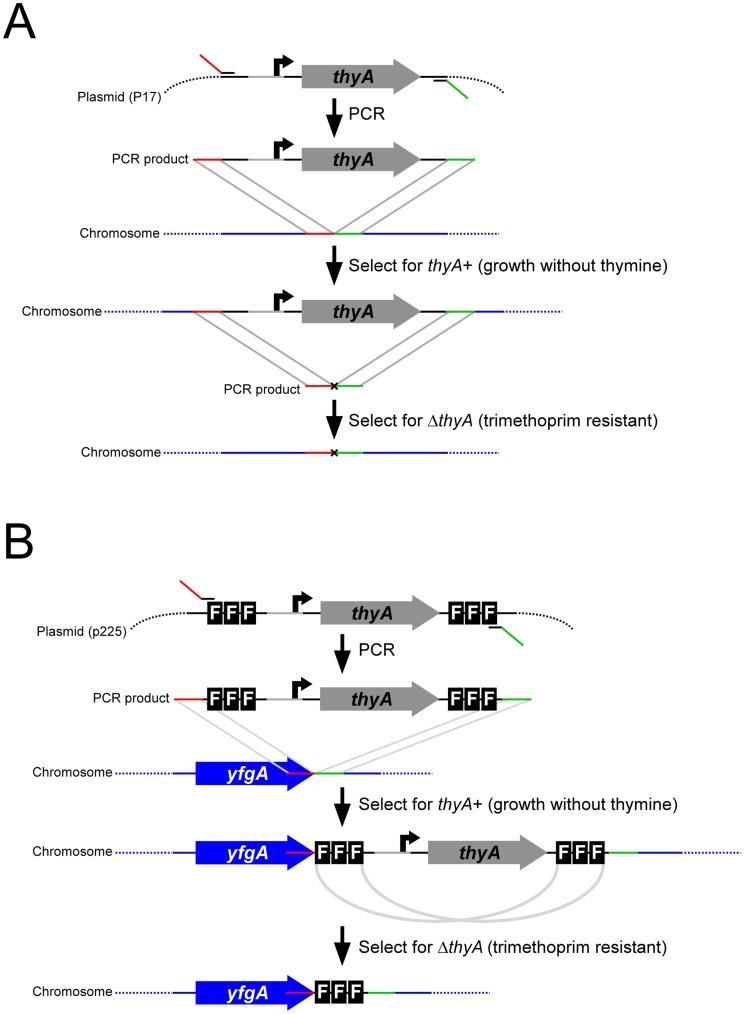
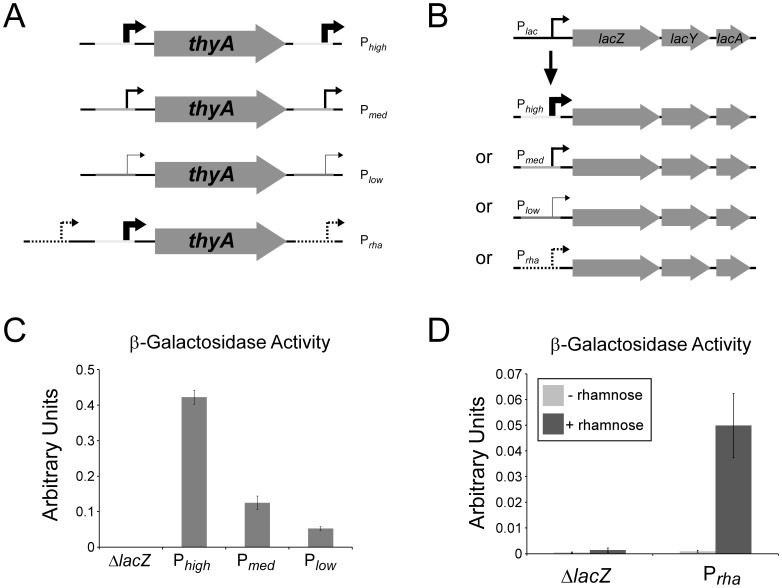
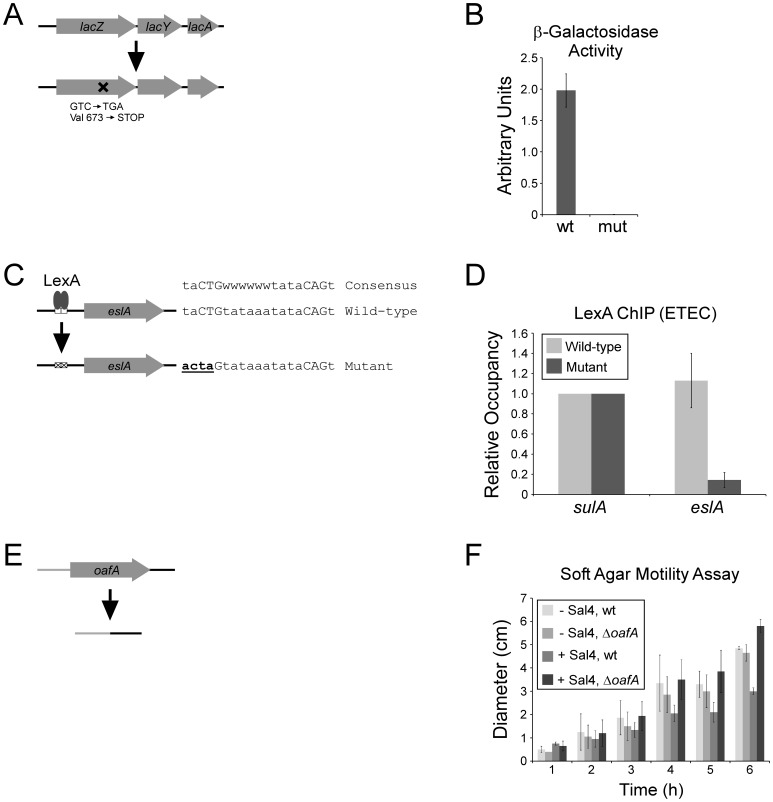
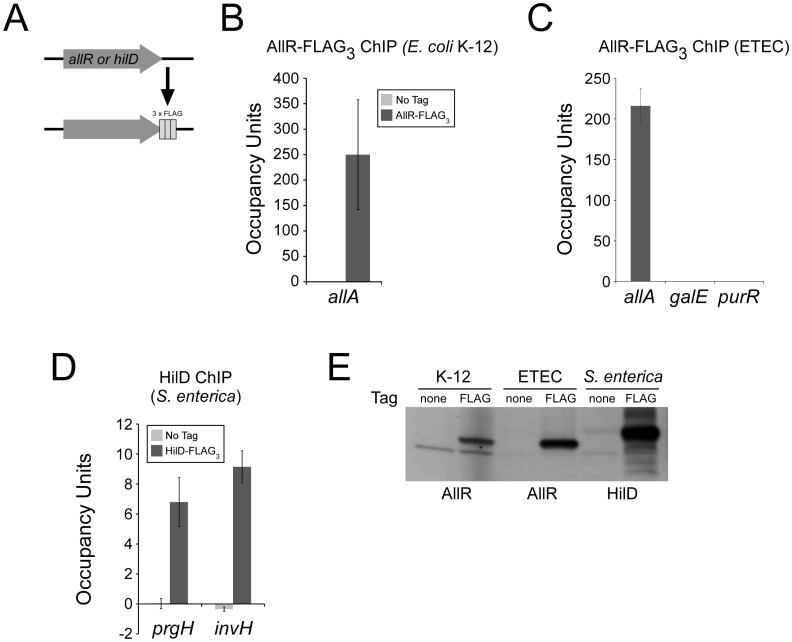
Recombineering is a widely-used approach to delete genes, introduce insertions and point mutations, and introduce epitope tags into bacterial chromosomes. Many recombineering methods have been described, for a wide range of bacterial species. These methods are often limited by (i) low efficiency, and/or (ii) introduction of "scar" DNA into the chromosome. Here, we describe a rapid, efficient, PCR-based recombineering method, FRUIT, that can be used to introduce scar-free point mutations, deletions, epitope tags, and promoters into the genomes of enteric bacteria. The efficiency of FRUIT is far higher than that of the most widely-used recombineering method for Escherichia coli. We have used FRUIT to introduce point mutations and epitope tags into the chromosomes of E. coli K-12, Enterotoxigenic E. coli, and Salmonella enterica. We have also used FRUIT to introduce constitutive and inducible promoters into the chromosome of E. coli K-12. Thus, FRUIT is a versatile, efficient recombineering approach that can be applied in multiple species of enteric bacteria.
基因重组是一种广泛应用于删除基因、引入插入和点突变以及在细菌染色体上引入表位标签的方法。已经描述了许多基因重组方法,适用于多种细菌物种。这些方法通常受到以下因素的限制:(i)效率低,和/或 (ii) 在染色体中引入“疤痕”DNA。在这里,我们描述了一种快速、高效、基于 PCR 的基因重组方法 FRUIT,可用于在肠道细菌的基因组中引入无疤痕点突变、缺失、表位标签和启动子。FRUIT 的效率远高于最广泛用于大肠杆菌的基因重组方法。我们已经使用 FRUIT 将点突变和表位标签引入大肠杆菌 K-12、肠致病性大肠杆菌和沙门氏菌的染色体中。我们还使用 FRUIT 将组成型和诱导型启动子引入大肠杆菌 K-12 的染色体中。因此,FRUIT 是一种通用、高效的基因重组方法,可应用于多种肠道细菌。