Department of Biomedical Engineering, Boston University, Boston, Massachusetts, USA.
PLoS One. 2012;7(9):e45191. doi: 10.1371/journal.pone.0045191. Epub 2012 Sep 18.
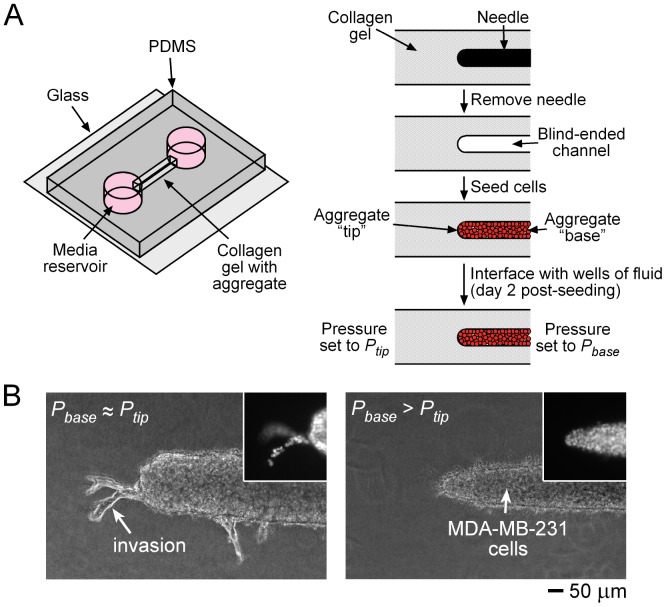
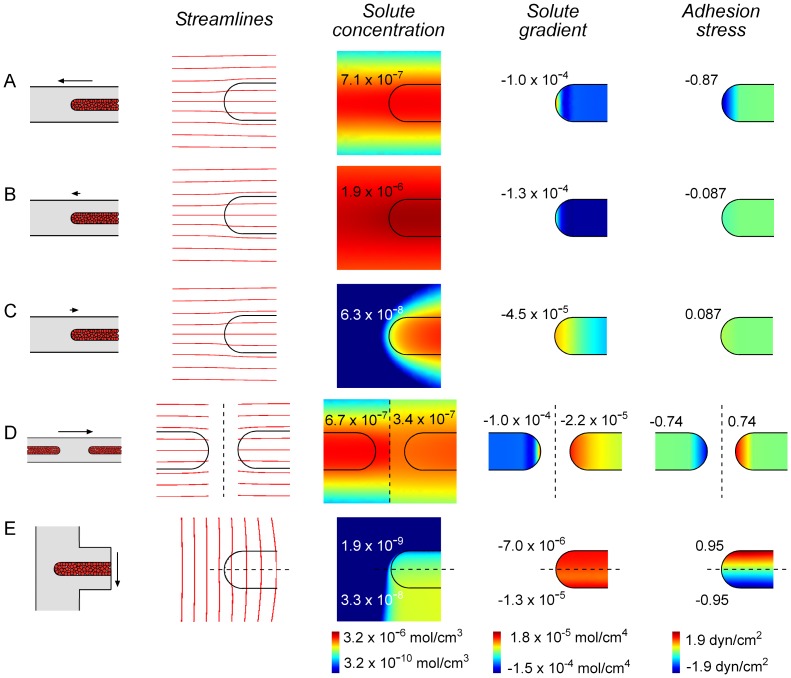
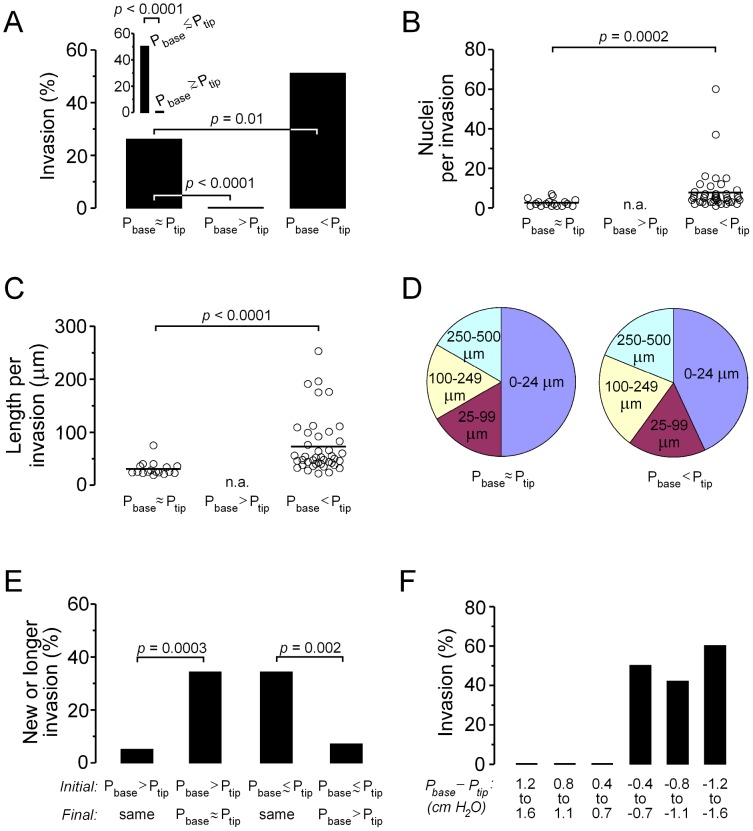
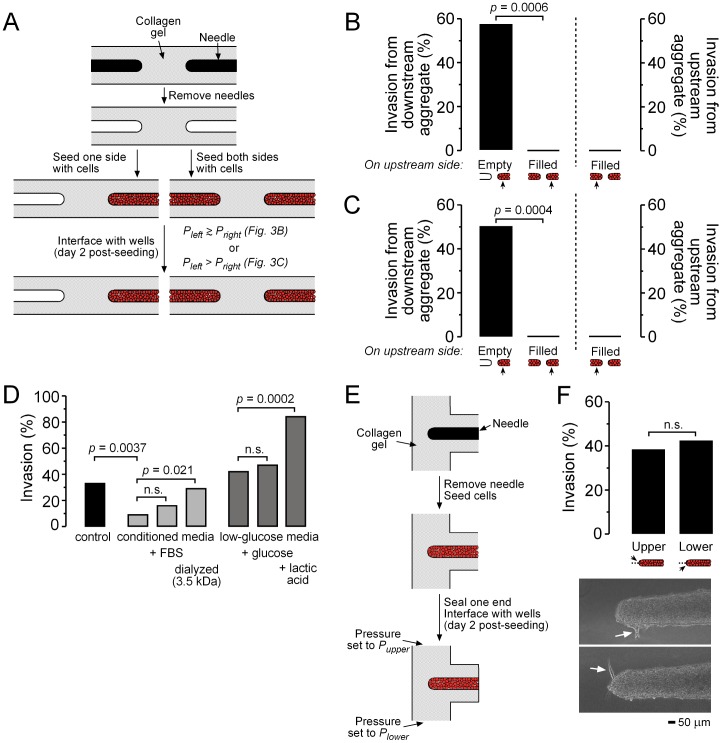
This paper reports the effect of elevated pressure on the invasive phenotype of patterned three-dimensional (3D) aggregates of MDA-MB-231 human breast cancer cells. We found that the directionality of the interstitial pressure profile altered the frequency of invasion by cells located at the surface of an aggregate. In particular, application of pressure at one end of an aggregate suppressed invasion at the opposite end. Experimental alteration of the configuration of cell aggregates and computational modeling of the resulting flow and solute concentration profiles revealed that elevated pressure inhibited invasion by altering the chemical composition of the interstitial fluid near the surface of the aggregate. Our data reveal a link between hydrostatic pressure, interstitial convection, and invasion.
本文报道了高压对 MDA-MB-231 人乳腺癌细胞三维(3D)图案化聚集物侵袭表型的影响。我们发现,间质压力分布的方向性改变了位于聚集物表面的细胞侵袭的频率。特别是,在聚集物的一端施加压力会抑制另一端的侵袭。细胞聚集物形态的实验改变和由此产生的流动和溶质浓度分布的计算模型表明,高压通过改变聚集物表面附近间质液的化学成分来抑制侵袭。我们的数据揭示了静水压力、间质对流和侵袭之间的联系。