Institute of Biomedical Engineering, Karlsruhe Institute of Technology Karlsruhe, Germany.
Front Physiol. 2013 Jan 4;3:487. doi: 10.3389/fphys.2012.00487. eCollection 2012.
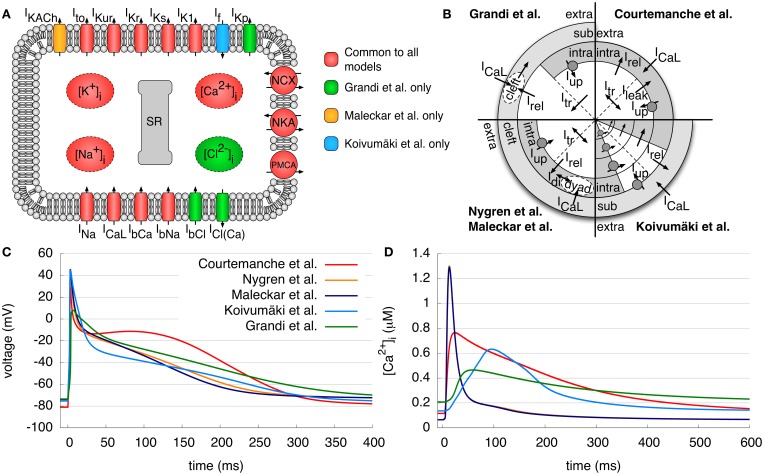
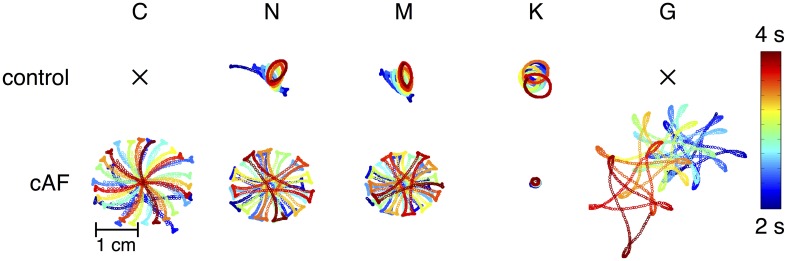
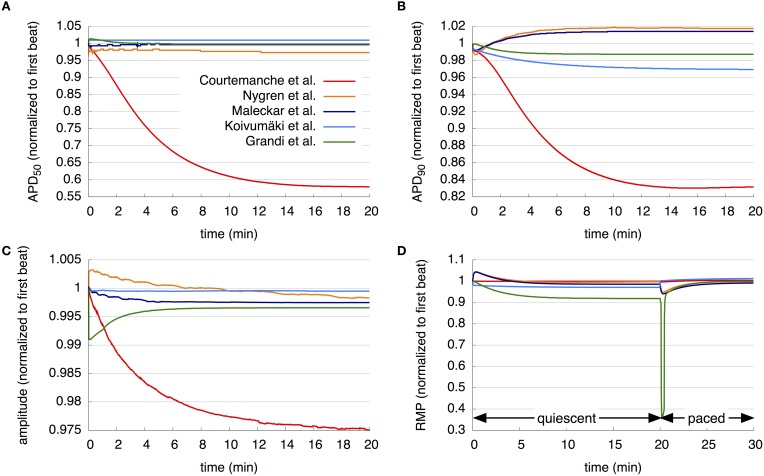
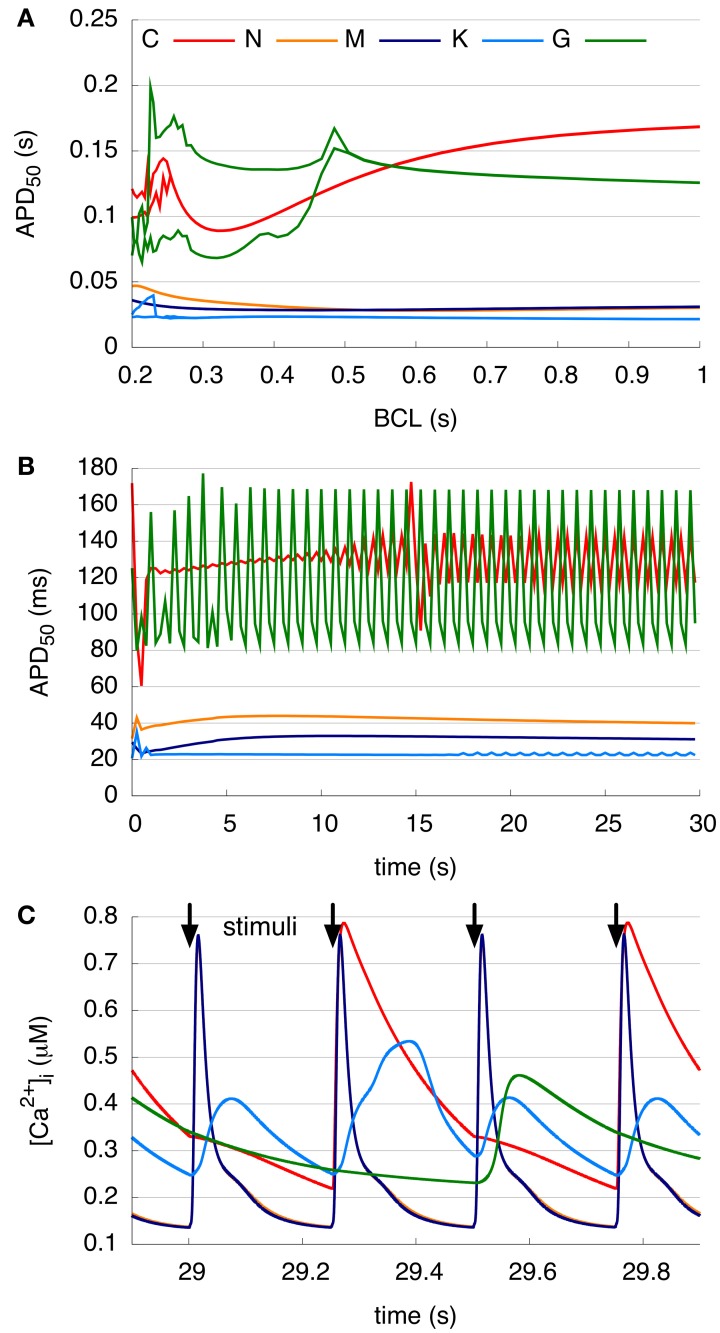
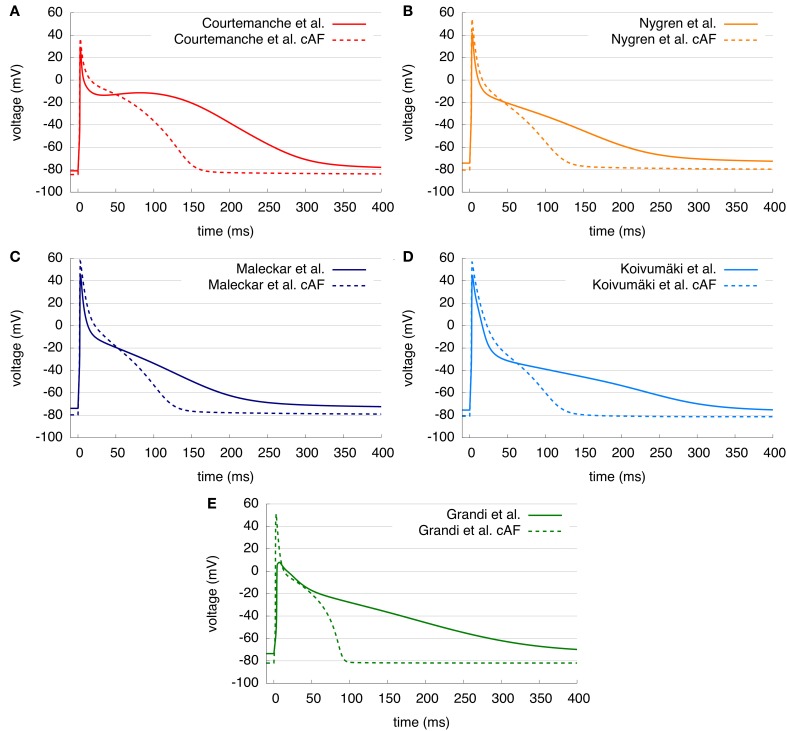
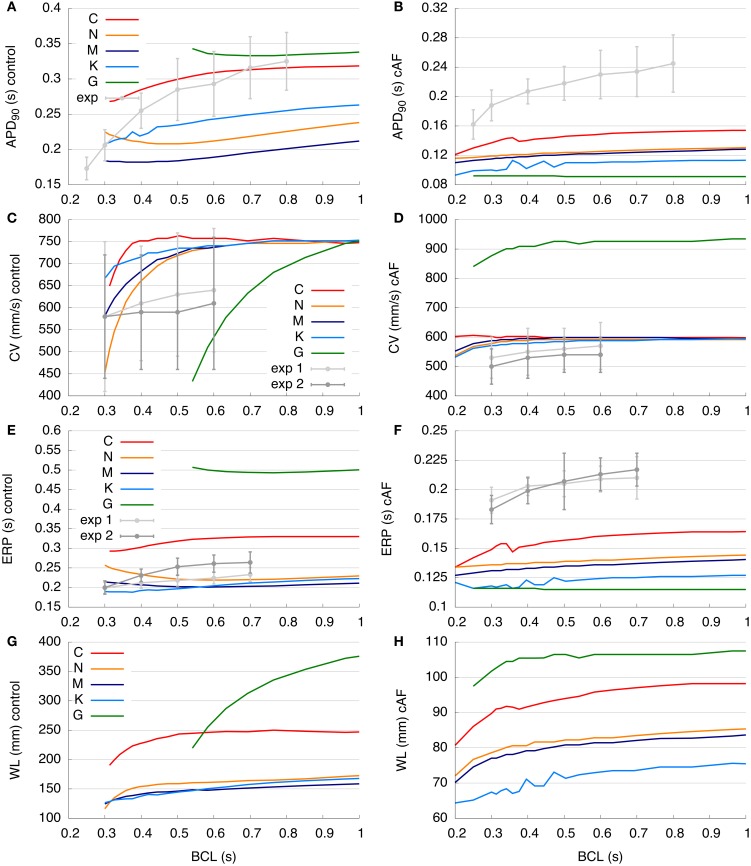
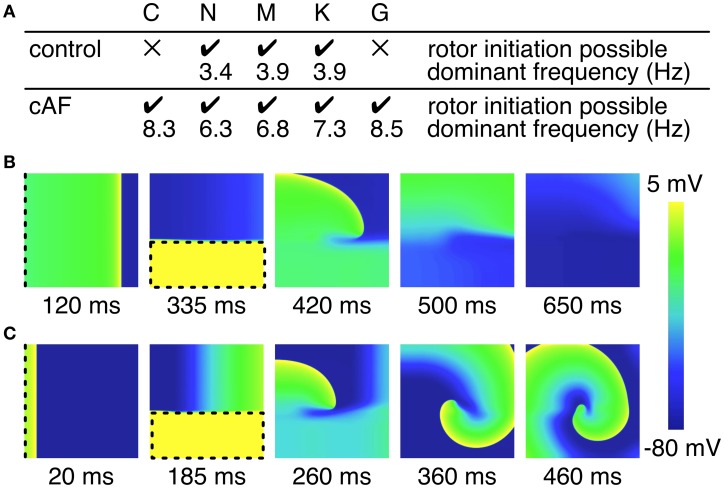
Mathematical modeling of cardiac electrophysiology is an insightful method to investigate the underlying mechanisms responsible for arrhythmias such as atrial fibrillation (AF). In past years, five models of human atrial electrophysiology with different formulations of ionic currents, and consequently diverging properties, have been published. The aim of this work is to give an overview of strengths and weaknesses of these models depending on the purpose and the general requirements of simulations. Therefore, these models were systematically benchmarked with respect to general mathematical properties and their ability to reproduce certain electrophysiological phenomena, such as action potential (AP) alternans. To assess the models' ability to replicate modified properties of human myocytes and tissue in cardiac disease, electrical remodeling in chronic atrial fibrillation (cAF) was chosen as test case. The healthy and remodeled model variants were compared with experimental results in single-cell, 1D and 2D tissue simulations to investigate AP and restitution properties, as well as the initiation of reentrant circuits.
心脏电生理学的数学建模是一种深入研究心律失常(如心房颤动(AF))的潜在机制的方法。在过去的几年中,已经发表了五种具有不同离子电流公式的人类心房电生理学模型,因此具有不同的特性。本工作的目的是根据模拟的目的和一般要求,概述这些模型的优缺点。因此,这些模型在一般数学性质及其再现某些电生理现象(如动作电位(AP)交替)的能力方面进行了系统的基准测试。为了评估模型复制心脏病患者人类心肌细胞和组织的改性特性的能力,选择慢性心房颤动(cAF)中的电重构作为测试案例。将健康和重构模型变体与单细胞、1D 和 2D 组织模拟中的实验结果进行比较,以研究 AP 和恢复性特性,以及折返电路的启动。