Laboratoire Charles Fabry, UMR 8501, Institut d'Optique, CNRS, Université Paris-Sud 11, 2, Avenue Augustin Fresnel, 91127 Palaiseau Cedex, France.
Sci Rep. 2013;3:1383. doi: 10.1038/srep01383.
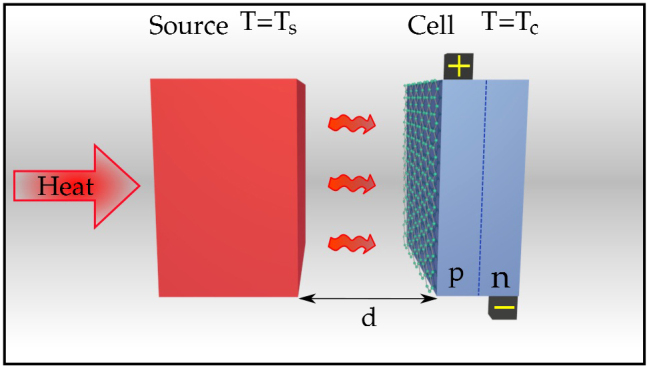
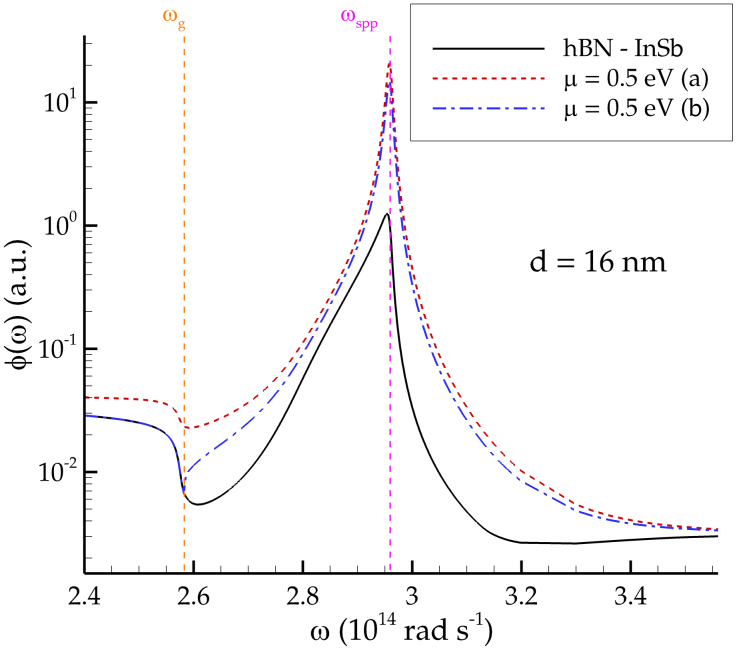
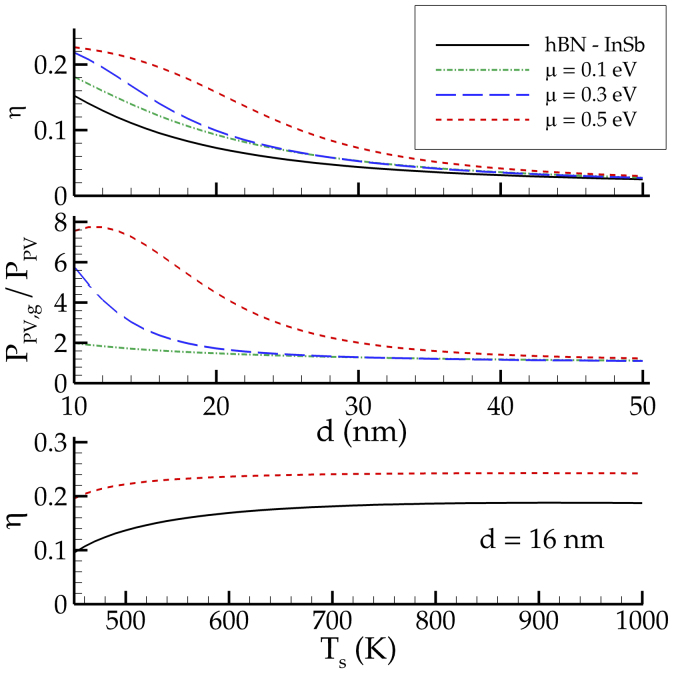
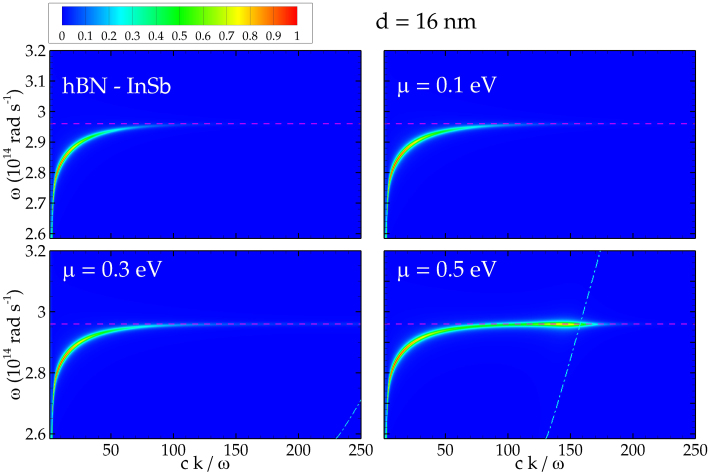
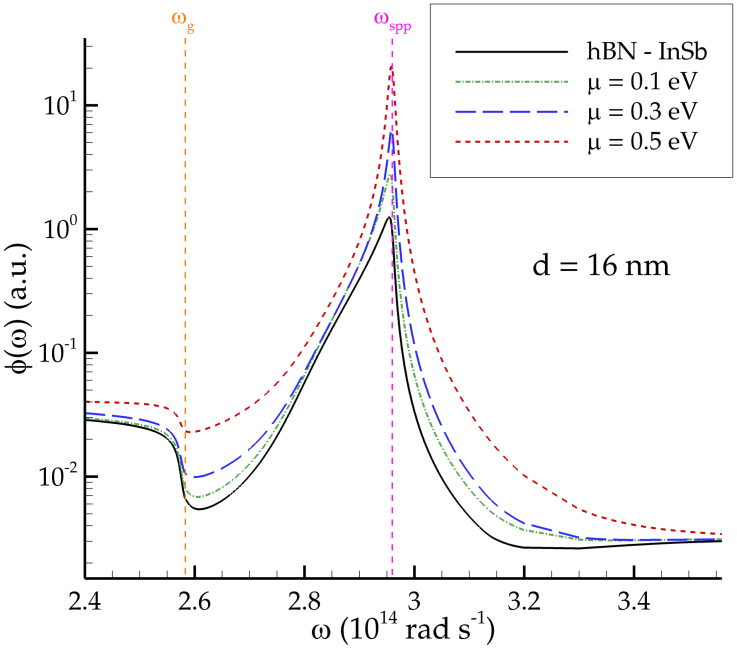
Thermophotovoltaic devices are energy-conversion systems generating an electric current from the thermal photons radiated by a hot body. While their efficiency is limited in far field by the Schockley-Queisser limit, in near field the heat flux transferred to a photovoltaic cell can be largely enhanced because of the contribution of evanescent photons, in particular for a source supporting a surface mode. Unfortunately, in the infrared where these systems operate, the mismatch between the surface-mode frequency and the semiconductor gap reduces drastically the potential of this technology. In this paper we propose a modified thermophotovoltaic device in which the cell is covered by a graphene sheet. By discussing the transmission coefficient and the spectral properties of the flux, we show that both the cell efficiency and the produced current can be enhanced, paving the way to promising developments for the production of electricity from waste heat.
热光伏器件是一种能量转换系统,它利用热体辐射的热光子产生电流。虽然它们的效率在远场受到肖克利-奎塞尔极限的限制,但在近场中,由于消逝光子的贡献,光伏电池所接收到的热通量可以大大增强,特别是对于支持表面模式的光源。不幸的是,在这些系统工作的红外波段,表面模式频率与半导体带隙之间的不匹配极大地降低了这项技术的潜力。在本文中,我们提出了一种改良的热光伏器件,其中电池被一层石墨烯片覆盖。通过讨论传输系数和通量的光谱特性,我们表明,电池的效率和产生的电流都可以得到提高,为利用余热发电铺平了道路。