Institute of Sport and Exercise Sciences, University of Muenster, Münster, Institute for Sport Science, University of Oldenburg, Oldenburg, Germany.
PLoS One. 2013 Apr 26;8(4):e60336. doi: 10.1371/journal.pone.0060336. Print 2013.
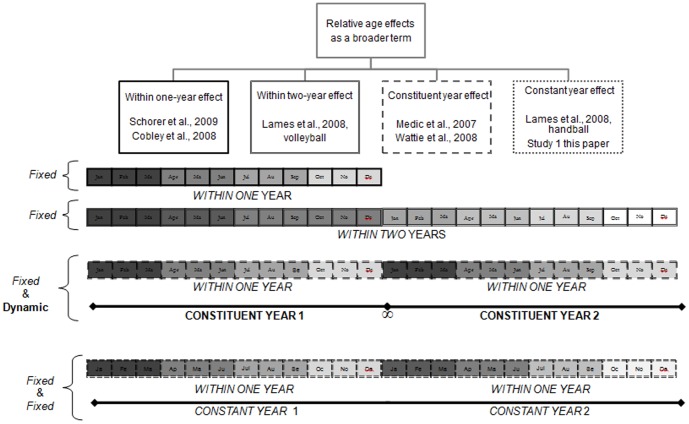
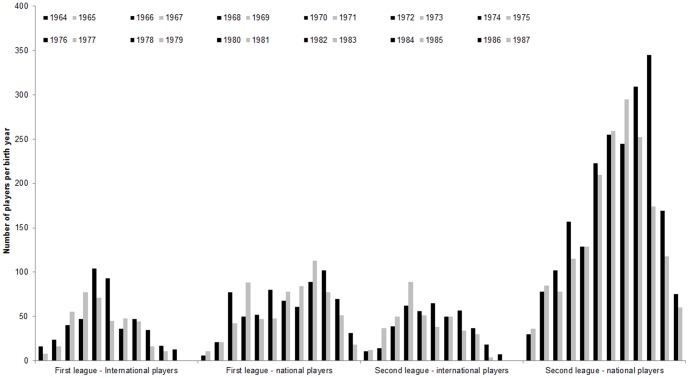
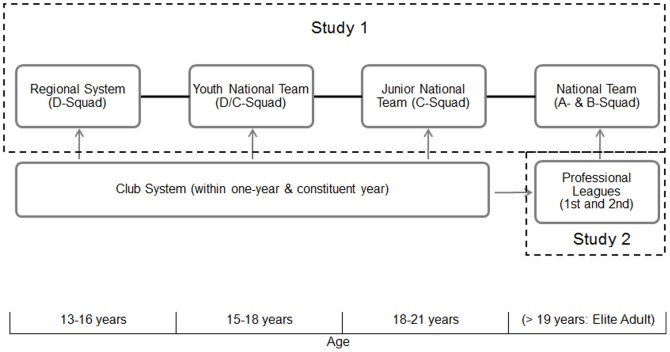
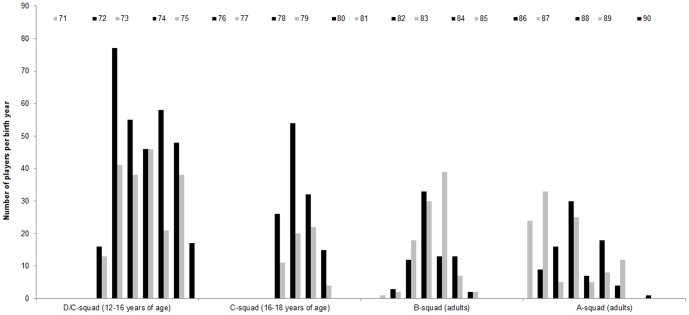
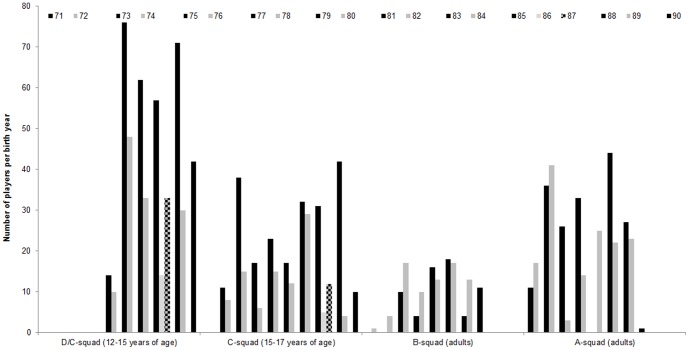
In this manuscript we argue for a broader use of the term 'relative age effect' due to the influence of varying development policies on the development of sport expertise. Two studies are presented on basis of data from Schorer, et al. [1]. The first showed clear 'constant year effects' in the German handball talent development system. A shift in year groupings for the female athletes resulted in a clear shift of birth year patterns. In the second study we investigated whether the constant year effect in the national talent development system carried over to professional handball. No patterns were observable. Together both studies show that a differentiation of varying effects that often happen simultaneously is necessary to understand the secondary mechanisms behind the development of sport expertise.
在本文中,我们主张更广泛地使用“相对年龄效应”一词,因为不同的发展政策会对体育专长的发展产生影响。本研究基于 Schorer 等人[1]的数据提出了两项研究。第一项研究表明,德国手球人才发展体系中存在明显的“恒定年份效应”。女性运动员的年龄分组变化导致了出生年份模式的明显变化。在第二项研究中,我们调查了国家人才发展体系中的恒定年份效应是否会延续到职业手球领域。研究结果没有观察到明显的模式。这两项研究都表明,为了理解体育专长发展背后的次要机制,有必要对同时发生的不同效应进行区分。