Department of Population Medicine and Diagnostic Sciences, College of Veterinary Medicine, Cornell University, Ithaca, New York, United States of America.
PLoS One. 2013 Apr 30;8(4):e63157. doi: 10.1371/journal.pone.0063157. Print 2013.
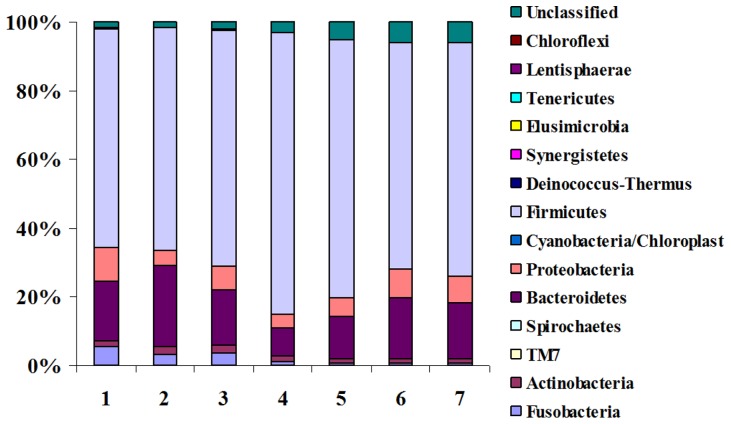
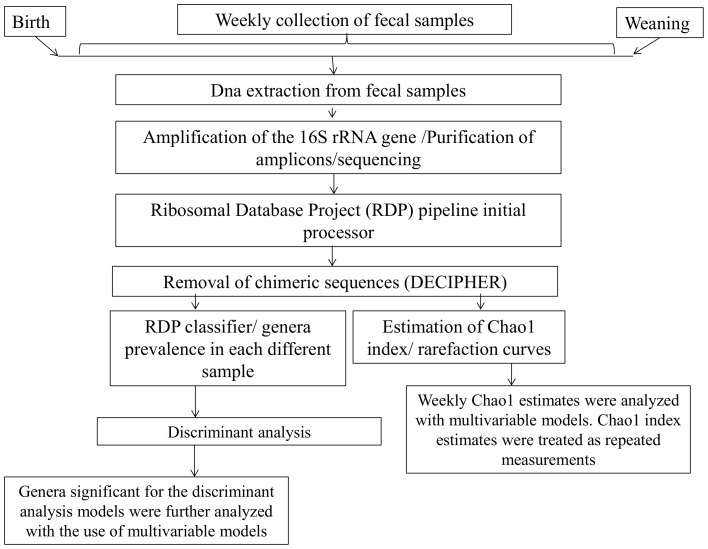
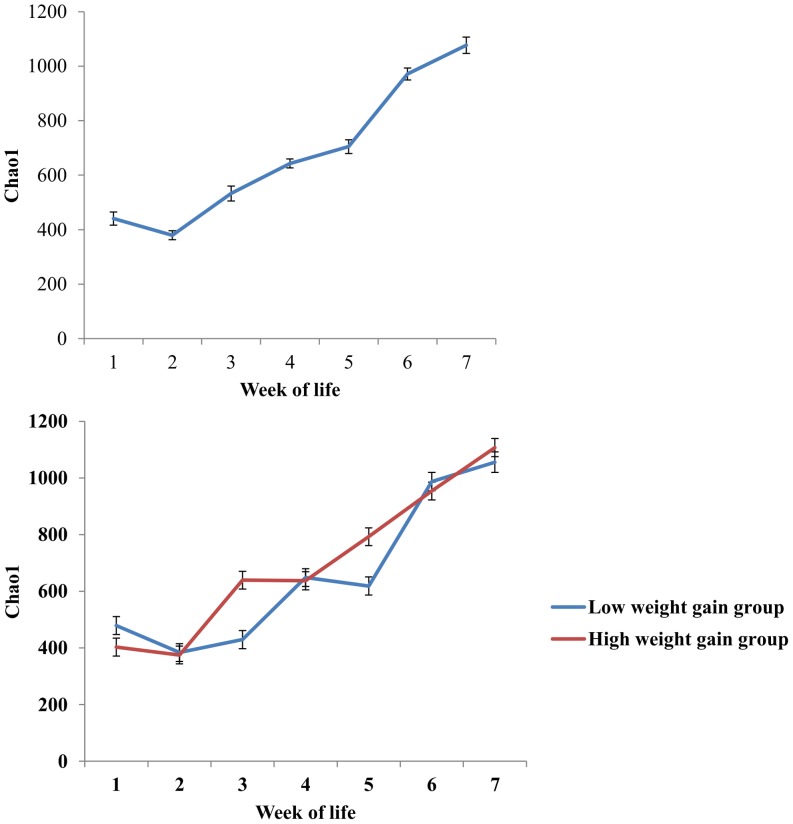
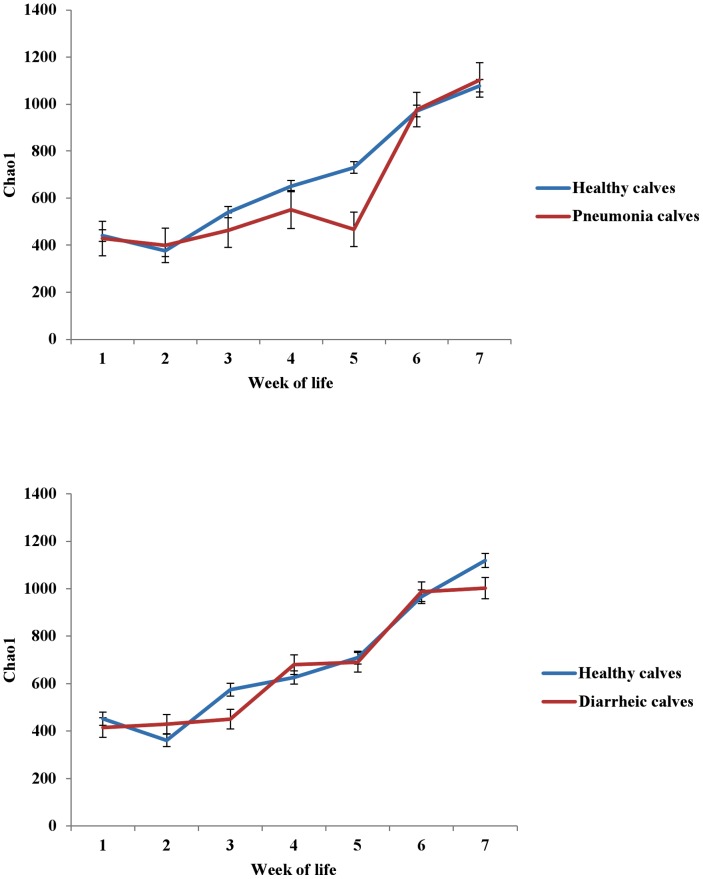
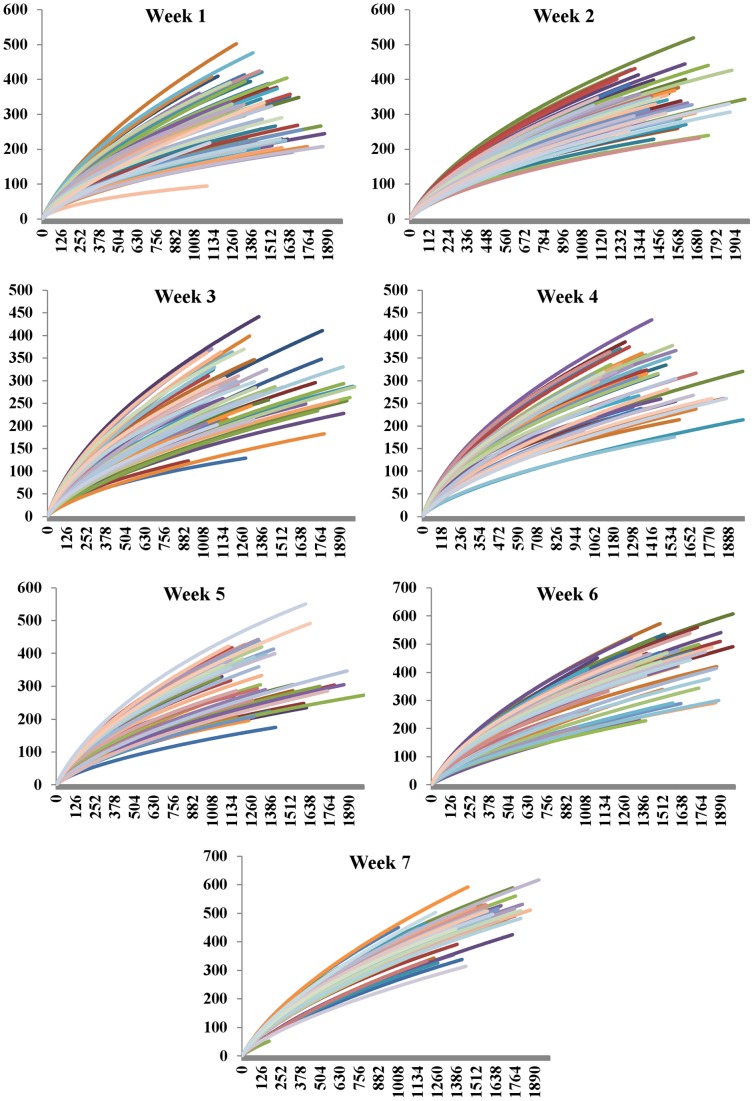
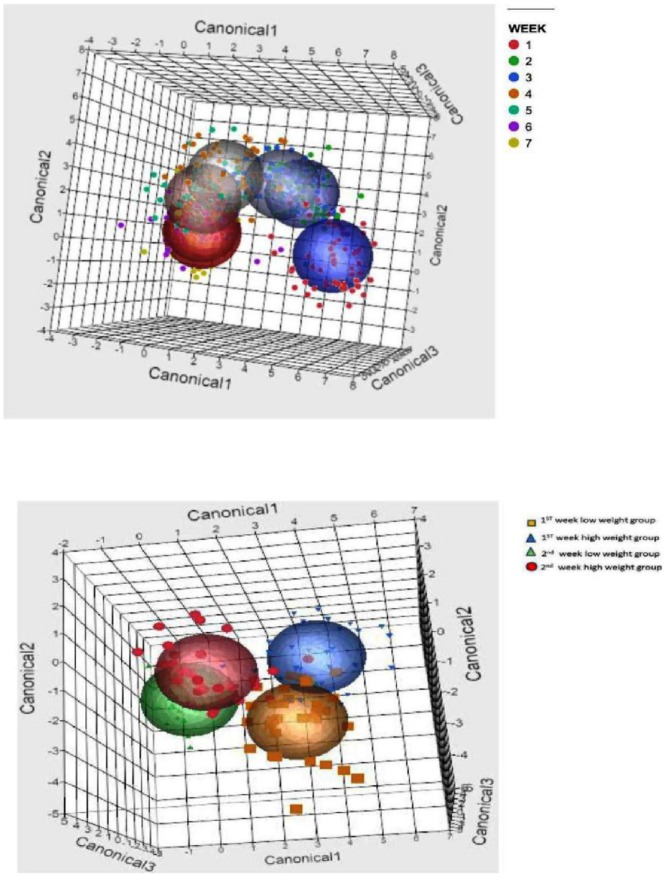
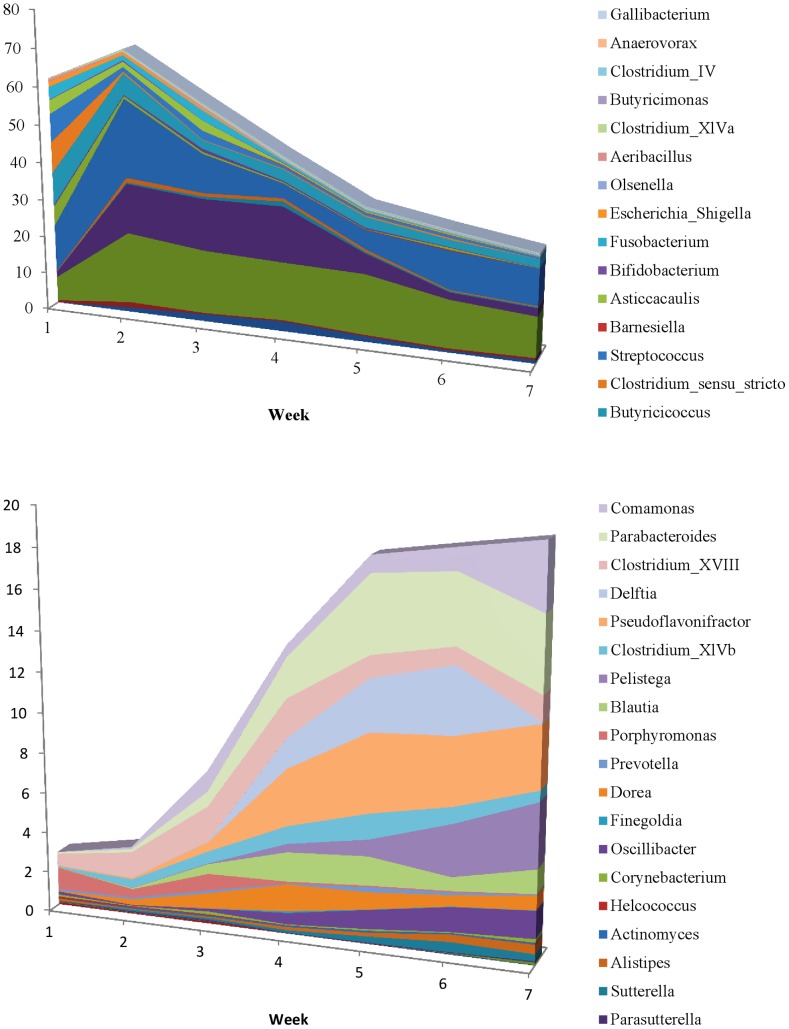
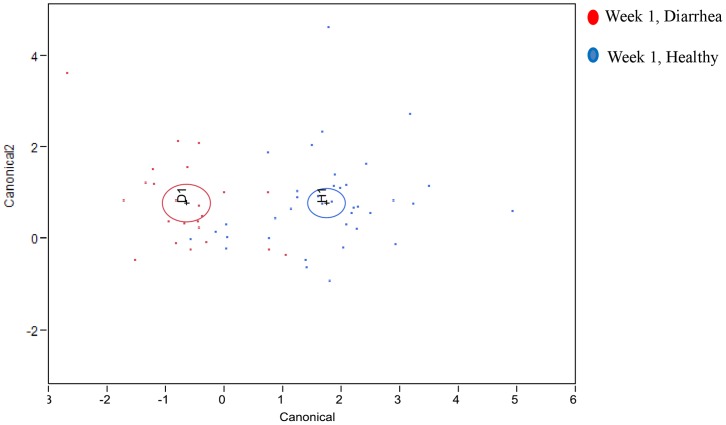
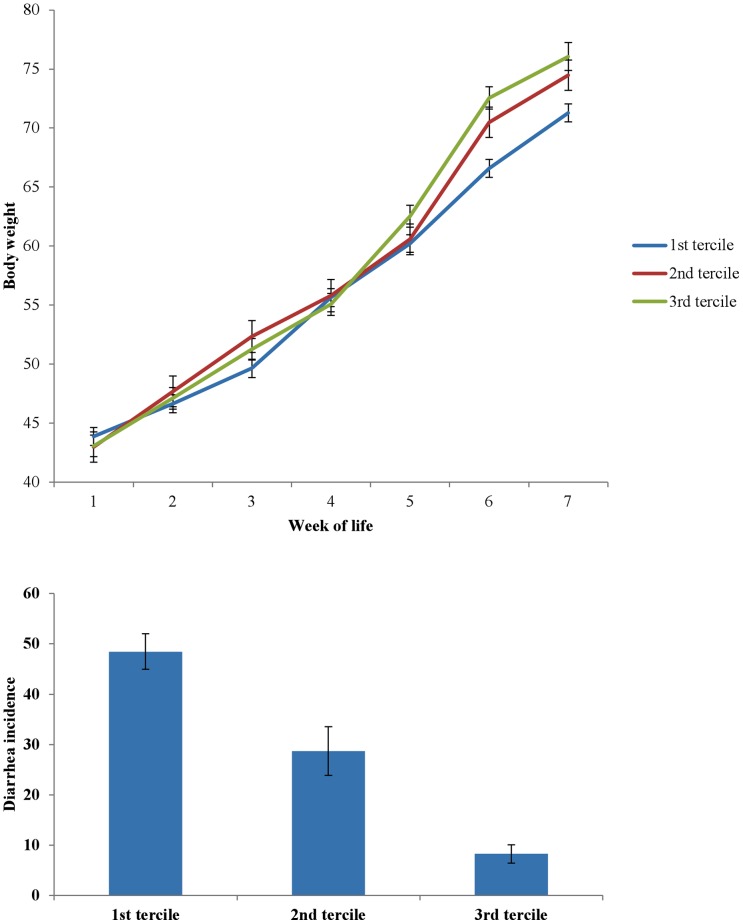
In this study, we use barcoded pyrosequencing of the 16S rRNA gene to characterize the fecal microbiota of neonatal calves and identify possible relationships of certain microbiota profiles with health and weight gain. Fecal samples were obtained weekly from 61 calves from birth until weaning (seventh week of the calves' life). Firmicutes was the most prevalent phylum, with a prevalence ranging from 63.84% to 81.90%, followed by Bacteroidetes (8.36% to 23.93%), Proteobacteria (3.72% to 9.75%), Fusobacteria (0.76% to 5.67%), and Actinobacteria (1.02% to 2.35%). Chao1 index gradually increased from the first to the seventh postnatal week. Chao1 index was lower during the third, fourth, and fifth week of life in calves that suffered from pneumonia and were treated with antibiotics. Diarrhea incidence during the first four weeks of the calves' life was also associated with a reduction of microbial diversity during the third week of life. Increased fecal microbial diversity after the second week of life was associated with higher weight gain. Using discriminant analysis we were able to show differences in the microbiota profiles between different weeks of life, between high and low weight gain groups of calves, and between calves affected and not affected with diarrhea during the first four weeks life. The prevalence of Faecalibacterium spp. in the first week of life was associated with weight gain and the incidence of diarrhea, with higher prevalence being associated with higher weight gain and less diarrhea. Representative sequences from Faecalibacterium spp. were closely affiliated to Faecalibacterium prausnitzii. Results presented here provide new information regarding the intestinal microbiota of neonatal calves and its association with health and growth. Fecal microbial diversity was associated with calf age, disease status and growth rates. Results suggesting a possible beneficial effect of Faecalibacterium spp. on health and growth are promising.
在这项研究中,我们使用 16S rRNA 基因的条形码焦磷酸测序来描述新生牛犊的粪便微生物群,并确定某些微生物群谱与健康和体重增加的可能关系。从出生到断奶(牛犊生命的第七周),每周从 61 头小牛中采集粪便样本。厚壁菌门是最常见的门,丰度范围为 63.84%至 81.90%,其次是拟杆菌门(8.36%至 23.93%)、变形菌门(3.72%至 9.75%)、梭杆菌门(0.76%至 5.67%)和放线菌门(1.02%至 2.35%)。Chao1 指数从出生后的第一周到第七周逐渐增加。在患有肺炎并接受抗生素治疗的小牛的生命的第三、第四和第五周,Chao1 指数较低。在小牛生命的前四周内发生腹泻的情况下,生命第三周的微生物多样性也会降低。生命的第二周后粪便微生物多样性的增加与体重增加有关。使用判别分析,我们能够显示不同生命周期间、高体重增加和低体重增加的小牛之间以及生命的前四周内受腹泻影响和不受腹泻影响的小牛之间的微生物组谱的差异。在生命的第一周 Faecalibacterium spp.的流行率与体重增加和腹泻有关,较高的流行率与较高的体重增加和较少的腹泻有关。来自 Faecalibacterium spp.的代表序列与 Faecalibacterium prausnitzii 密切相关。这里呈现的结果提供了有关新生牛犊肠道微生物群及其与健康和生长关系的新信息。粪便微生物多样性与小牛年龄、疾病状况和生长速度有关。提示 Faecalibacterium spp.对健康和生长可能有益的结果很有希望。