Program in Bioengineering, College of Engineering, Northeastern University, Boston, MA, USA.
Int J Nanomedicine. 2013;8:1177-84. doi: 10.2147/IJN.S42010. Epub 2013 Mar 21.
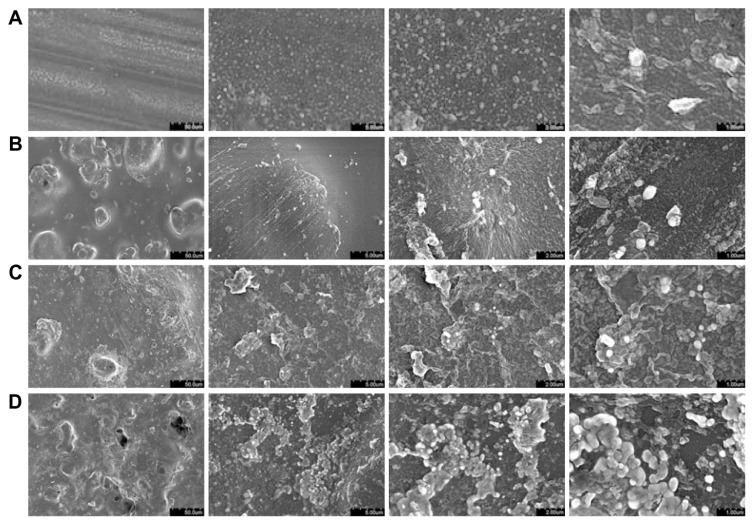
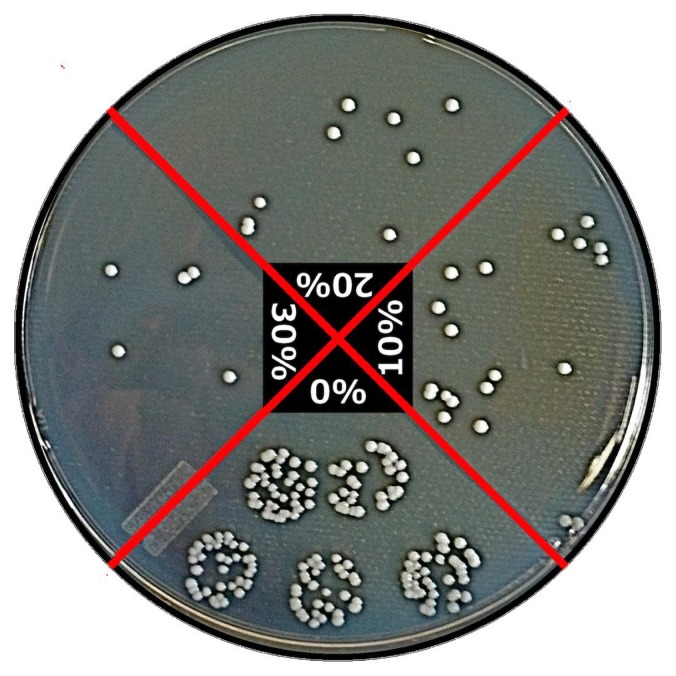
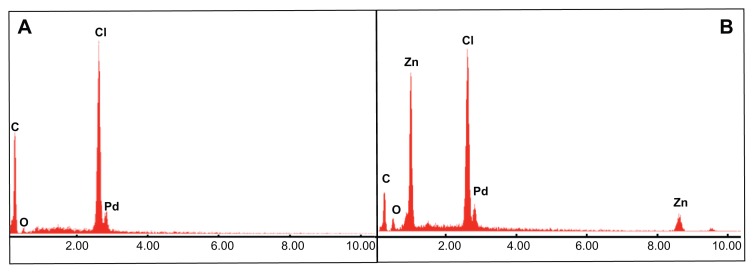
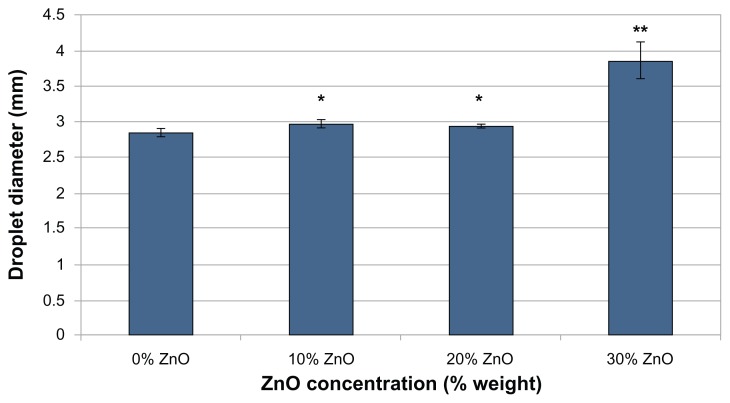
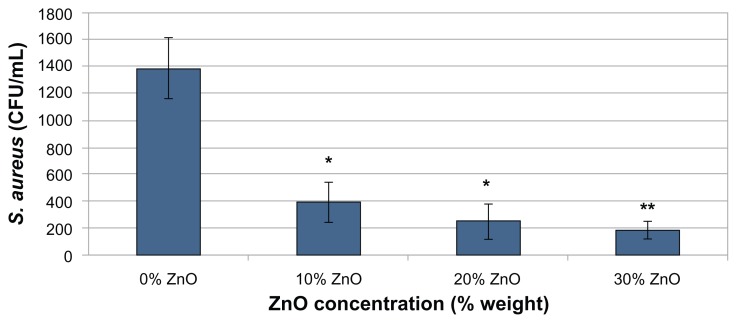
In hospitals and clinics worldwide, medical device surfaces have become a rapidly growing source of nosocomial infections. In particular, patients requiring mechanical ventilation (and, thus, intubation with an endotracheal tube) for extended lengths of time are faced with a high probability of contracting ventilator-associated pneumonia. Once inserted into the body, the endotracheal tube provides a surface to which bacteria can adhere and form a biofilm (a robust, sticky matrix that provides protection against the host immune system and antibiotic treatment). Adding to the severity of this problem is the spread of bacterial genetic tolerance to antibiotics, in part demonstrated by the recent and significant increase in the prevalence of methicillin-resistant Staphylococcus aureus. To combat these trends, different techniques in biomaterial design must be explored. Recent research has shown that nanomaterials (materials with at least one dimension less than 100 nm) may have the potential to prevent or disrupt bacterial processes that lead to infections. In this study, polyvinyl chloride (PVC) taken from a conventional endotracheal tube was embedded with varying concentrations of zinc oxide (ZnO) nanoparticles. S. aureus biofilms were then grown on these nanocomposite surfaces during a 24-hour culture. Following this, biofilms were removed from the surfaces and the number of colony forming units present was assessed. Bacterial proliferation on the samples embedded with the highest concentration of ZnO nanoparticles was 87% less when compared to the control, indicating that this technique is effective at reducing biofilm formation on PVC surfaces without the use of antibiotics.
在全球的医院和诊所中,医疗器械表面已成为医院获得性感染迅速增长的来源。特别是那些需要长时间机械通气(因此需要通过气管内管进行插管)的患者,他们感染呼吸机相关性肺炎的可能性很高。一旦插入体内,气管内管就提供了一个细菌可以附着并形成生物膜的表面(生物膜是一种坚固、粘性的基质,可以防止宿主免疫系统和抗生素治疗)。加剧这一问题的严重性的是细菌对抗生素的遗传耐受性的传播,部分原因是耐甲氧西林金黄色葡萄球菌的流行率最近显著增加。为了应对这些趋势,必须探索生物材料设计的不同技术。最近的研究表明,纳米材料(至少一个维度小于 100nm 的材料)可能具有预防或破坏导致感染的细菌过程的潜力。在这项研究中,从传统的气管内管中提取的聚氯乙烯(PVC)中嵌入了不同浓度的氧化锌(ZnO)纳米粒子。然后在 24 小时的培养过程中,在这些纳米复合材料表面上生长金黄色葡萄球菌生物膜。之后,从表面去除生物膜并评估存在的集落形成单位数量。与对照相比,嵌入最高浓度 ZnO 纳米粒子的样品上的细菌增殖减少了 87%,这表明该技术在不使用抗生素的情况下有效减少 PVC 表面的生物膜形成。