Centre for Nanobiotechnology, VIT University, Vellore, Tamil Nadu, India.
PLoS One. 2013 Apr 29;8(4):e62970. doi: 10.1371/journal.pone.0062970. Print 2013.
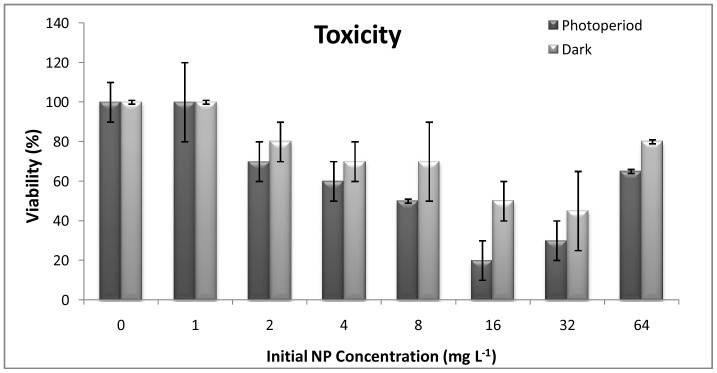
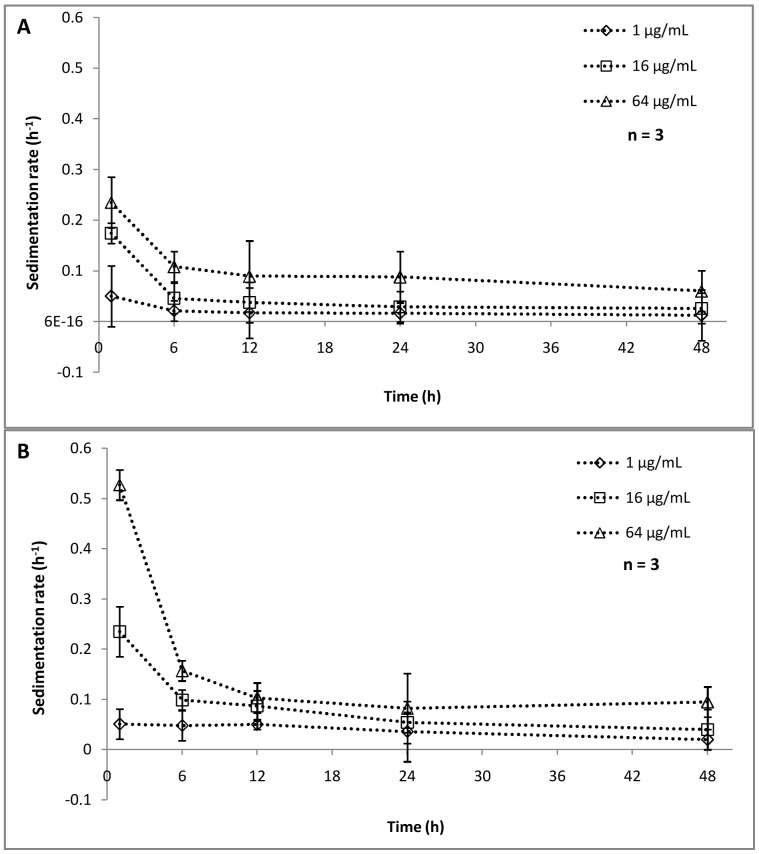
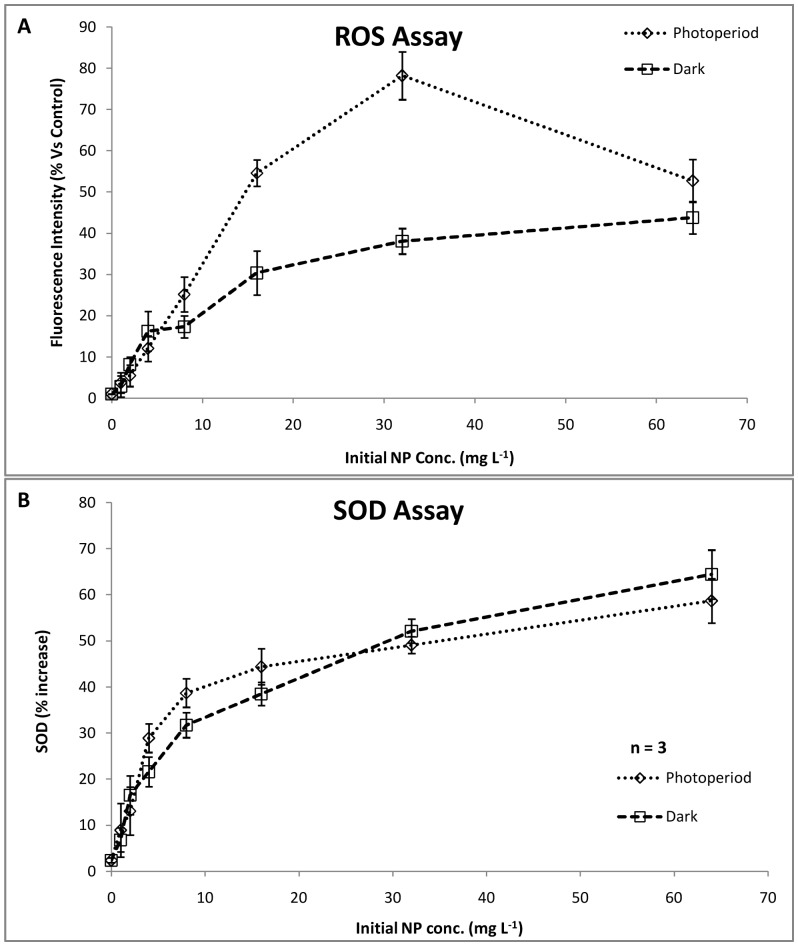
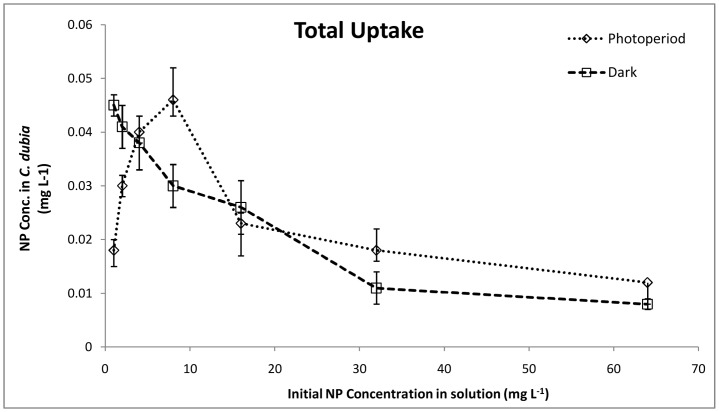
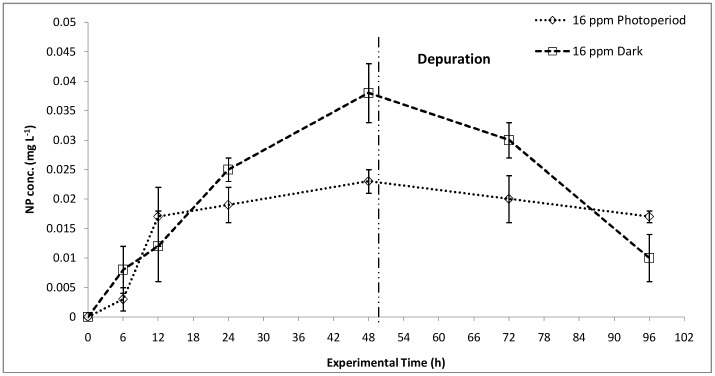
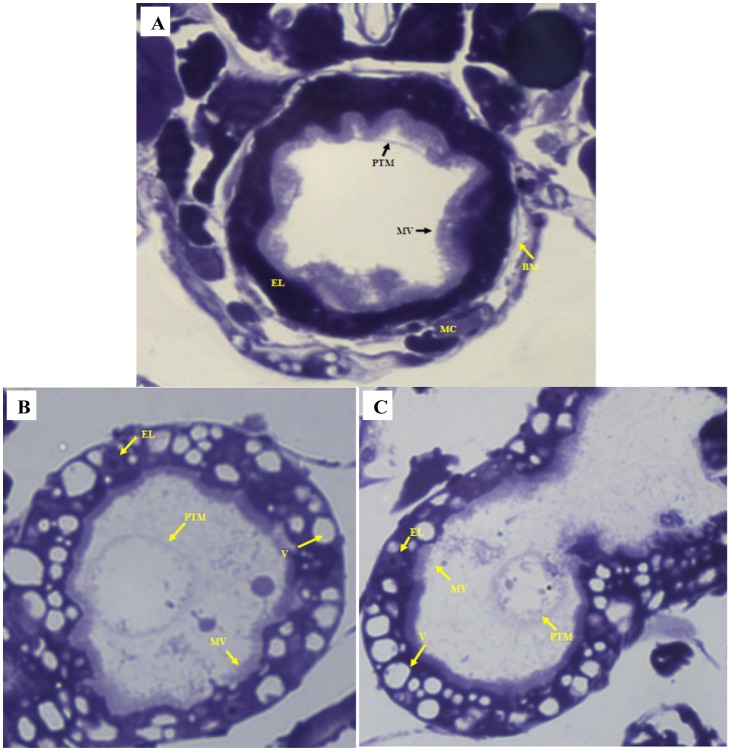
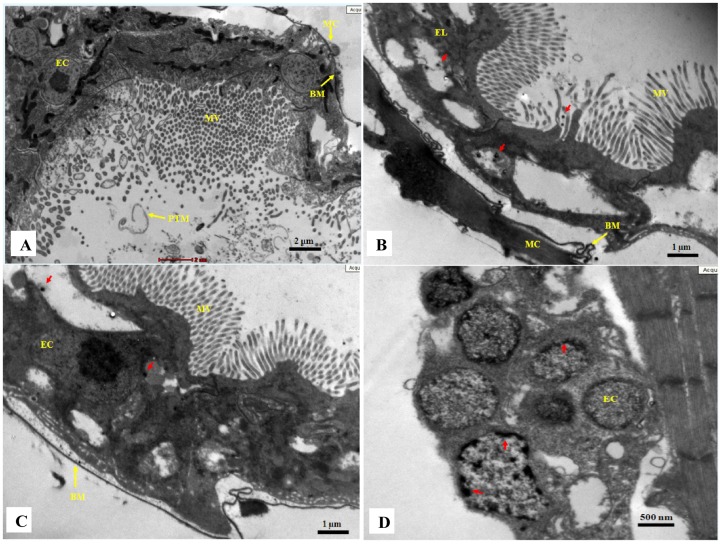
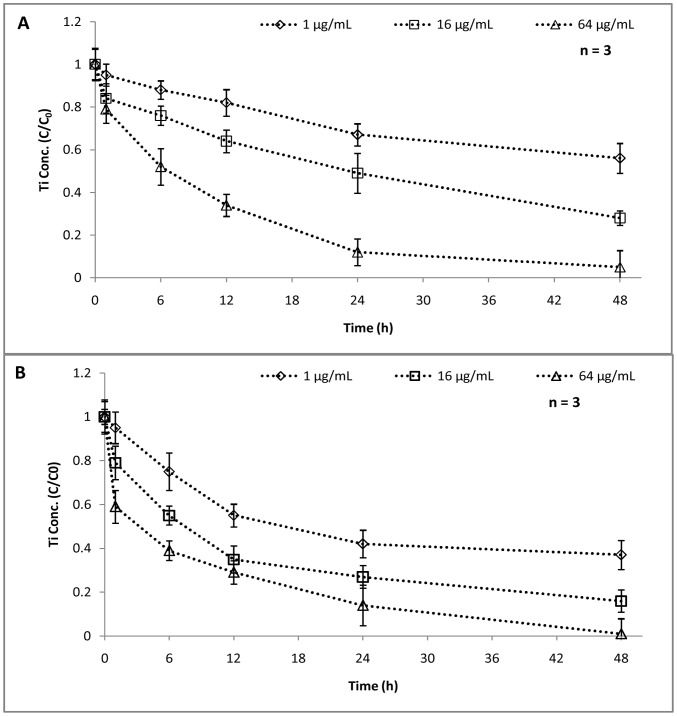
The ever increasing industrial and consumer applications of titanium dioxide nanoparticles (TiO2 NPs) raise concern over the possible risk associated with their environmental exposure. Still, the knowledge regarding nanoparticle behavior in a freshwater ecosystem is lacking. The current study focuses on the toxicity of TiO2 NPs towards Ceriodaphnia dubia (a dominant daphnid isolated from the freshwater) under two different conditions; (1) light and dark photoperiod (16:8 h) and (2) continuous dark conditions, for a period of 48 h. An increase in toxicity was observed with an increase in the concentration, until a certain threshold level (under both photoperiod and dark conditions), and beyond which, reduction was noted. The decrease in toxicity would have resulted from the aggregation and settling of NPs, making them less bioavailable. The oxidative stress was one of the major contributors towards cytotoxicity under both photoperiod and dark conditions. The slow depuration of TiO2 NPs under the photoperiod conditions confirmed a higher NP bioaccumulation and thus a higher bioconcentration factor (BCF) compared to dark conditions. The transmission electron micrographs confirmed the bioaccumulation of NPs and damage of tissues in the gut lining.
越来越多的工业和消费应用领域将二氧化钛纳米粒子(TiO2 NPs)投入使用,这引发了人们对其环境暴露相关潜在风险的担忧。然而,对于纳米颗粒在淡水生态系统中的行为,我们的了解还很有限。本研究主要关注 TiO2 NPs 对从淡水中分离出的优势溞类(一种大型溞)的毒性,实验在两种不同条件下进行:(1)光照和黑暗光周期(16:8 h),(2)连续黑暗条件,持续时间为 48 h。结果表明,在一定的阈值水平(光照和黑暗条件下均如此)内,随着浓度的增加,毒性会增强,超过该阈值后,毒性会降低。毒性的降低可能是由于纳米颗粒的聚集和沉淀,导致它们的生物利用度降低。在光照和黑暗条件下,氧化应激都是细胞毒性的主要原因之一。在光周期条件下,TiO2 NPs 的缓慢净化证实了纳米颗粒的更高生物积累,因此与黑暗条件相比,生物浓缩系数(BCF)更高。透射电子显微镜照片证实了纳米颗粒的生物积累以及肠道内层组织的损伤。