Department of Molecular and Human Genetics, Baylor College of Medicine, Houston, Texas, USA.
PLoS One. 2013 May 9;8(5):e61747. doi: 10.1371/journal.pone.0061747. Print 2013.
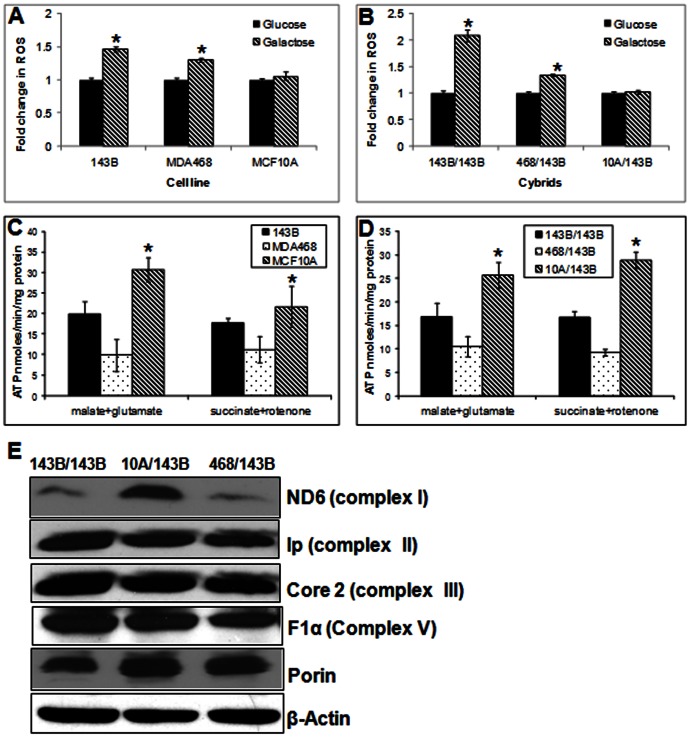
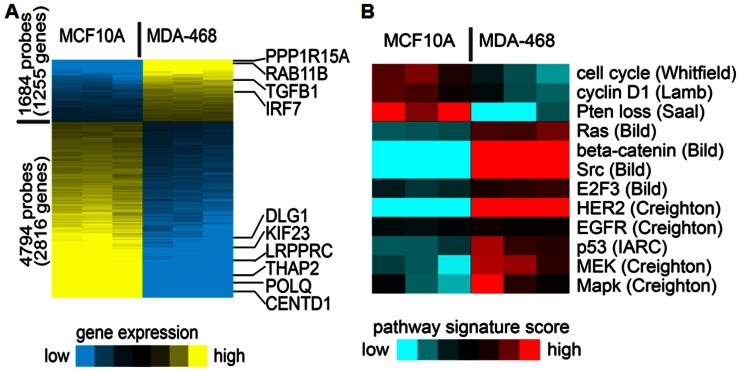
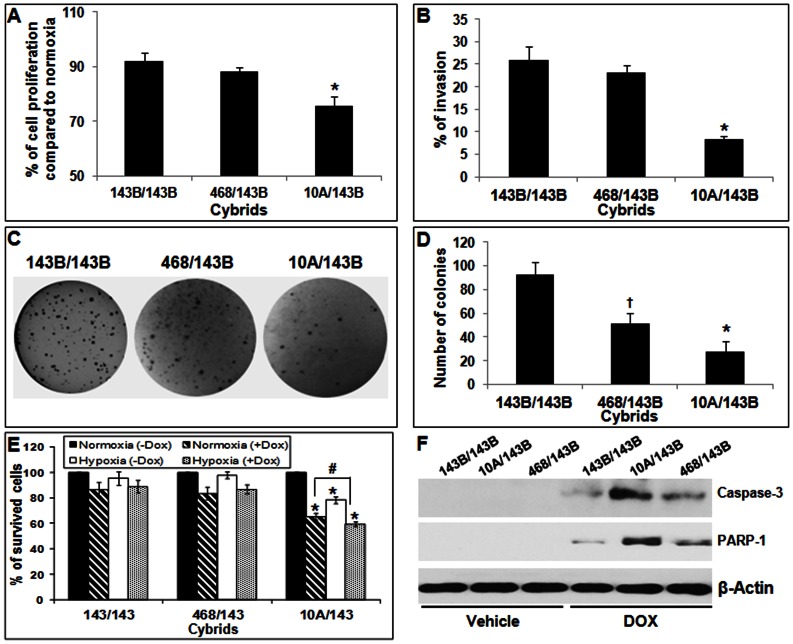
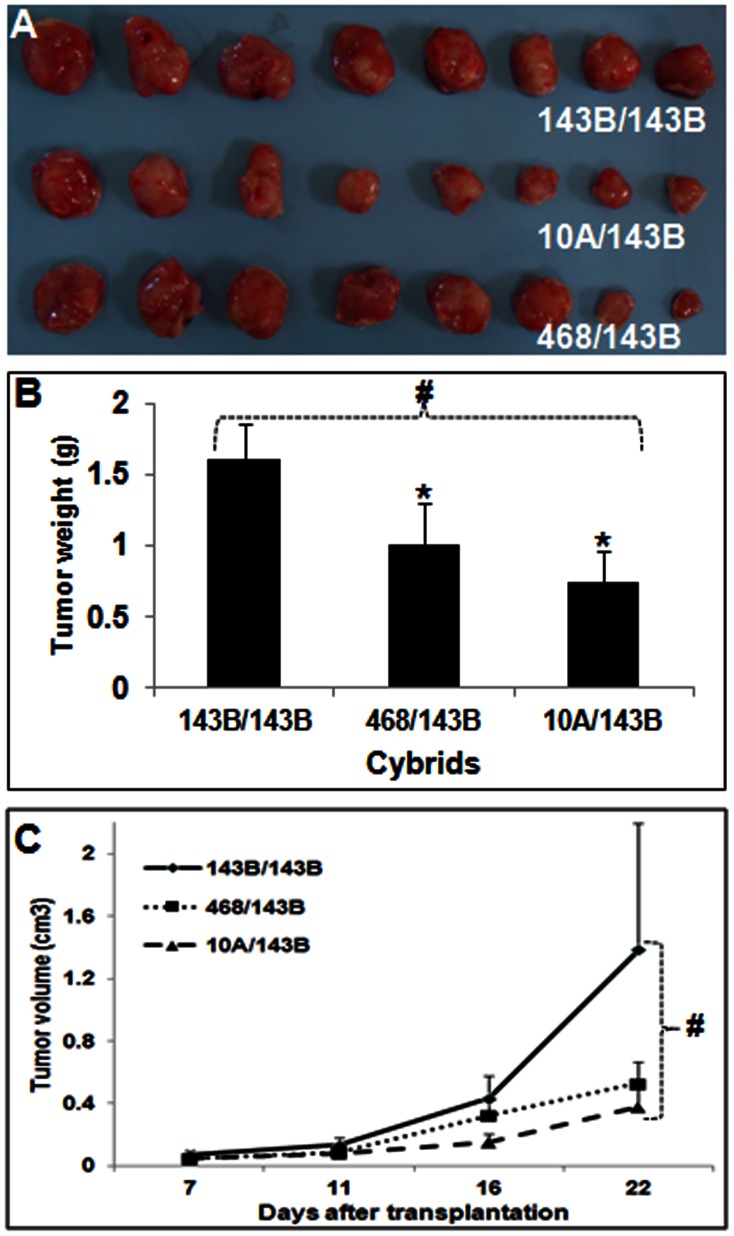
Mitochondrial-nucleus cross talks and mitochondrial retrograde regulation can play a significant role in cellular properties. Transmitochondrial cybrid systems (cybrids) are an excellent tool to study specific effects of altered mitochondria under a defined nuclear background. The majority of the studies using the cybrid model focused on the significance of specific mitochondrial DNA variations in mitochondrial function or tumor properties. However, most of these variants are benign polymorphisms without known functional significance. From an objective of rectifying mitochondrial defects in cancer cells and to establish mitochondria as a potential anticancer drug target, understanding the role of functional mitochondria in reversing oncogenic properties under a cancer nuclear background is very important. Here we analyzed the potential reversal of oncogenic properties of a highly metastatic cell line with the introduction of non-cancerous mitochondria. Cybrids were established by fusing the mitochondria DNA depleted 143B TK- ρ0 cells from an aggressive osteosarcoma cell line with mitochondria from benign breast epithelial cell line MCF10A, moderately metastatic breast cancer cell line MDA-MB-468 and 143B cells. In spite of the uniform cancerous nuclear background, as observed with the mitochondria donor cells, cybrids with benign mitochondria showed high mitochondrial functional properties including increased ATP synthesis, oxygen consumption and respiratory chain activities compared to cybrids with cancerous mitochondria. Interestingly, benign mitochondria could reverse different oncogenic characteristics of 143B TK(-) cell including cell proliferation, viability under hypoxic condition, anti-apoptotic properties, resistance to anti-cancer drug, invasion, and colony formation in soft agar, and in vivo tumor growth in nude mice. Microarray analysis suggested that several oncogenic pathways observed in cybrids with cancer mitochondria are inhibited in cybrids with non-cancerous mitochondria. These results suggest the critical oncogenic regulation by mitochondrial-nuclear cross talk and highlights rectifying mitochondrial functional properties as a promising target in cancer therapy.
线粒体-核串扰和线粒体逆行调控在细胞特性中起着重要作用。传递线粒体杂种系统(cybrids)是研究特定核背景下改变线粒体的特定影响的极好工具。大多数使用 cybrid 模型的研究都集中在特定线粒体 DNA 变异对线粒体功能或肿瘤特性的重要性上。然而,这些变体中的大多数是良性多态性,没有已知的功能意义。从纠正癌细胞中线粒体缺陷的目的出发,并将线粒体确立为一种潜在的抗癌药物靶点,了解在癌症核背景下功能性线粒体在逆转致癌特性中的作用非常重要。在这里,我们通过引入非癌性线粒体来分析高度转移性细胞系中致癌特性的潜在逆转。通过将来自侵袭性骨肉瘤细胞系的线粒体 DNA 耗尽的 143B TK-ρ0 细胞与来自良性乳腺上皮细胞系 MCF10A、中度转移性乳腺癌细胞系 MDA-MB-468 和 143B 细胞的线粒体融合来建立 cybrids。尽管存在与线粒体供体细胞一致的癌性核背景,但与具有癌性线粒体的 cybrids相比,具有良性线粒体的 cybrids表现出高线粒体功能特性,包括增加的 ATP 合成、耗氧量和呼吸链活性。有趣的是,良性线粒体可以逆转 143B TK(-)细胞的不同致癌特征,包括细胞增殖、低氧条件下的生存能力、抗凋亡特性、对抗癌药物的耐药性、侵袭性和软琼脂中的集落形成,以及裸鼠体内的肿瘤生长。微阵列分析表明,在具有癌性线粒体的 cybrids 中观察到的几种致癌途径在具有非癌性线粒体的 cybrids 中受到抑制。这些结果表明线粒体-核串扰的关键致癌调节作用,并强调了纠正线粒体功能特性作为癌症治疗的一个有前途的靶点。